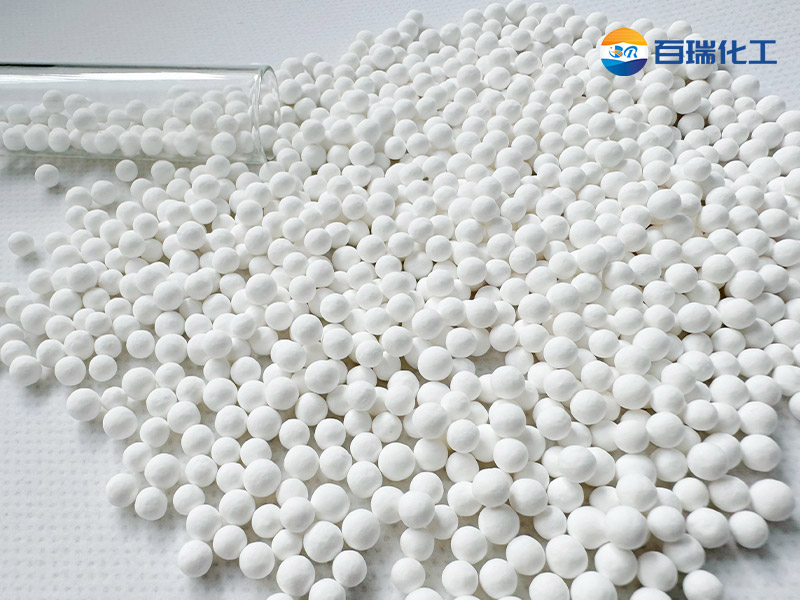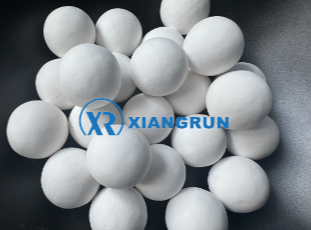


When you need to select ceramic balls for reaction towers, grinders, or high-temperature kilns, are you often confused by the various prices and models? Why do ceramic balls that look similar have such different performance? The following article hopes to help you resolve your doubts and questions.
Wear Resistance:
Ordinary ceramic balls: With lower hardness, their surface easily wears down and peels off under continuous friction and impact, producing fine powder. This not only contaminates the product but also requires frequent downtime for replenishment or replacement.
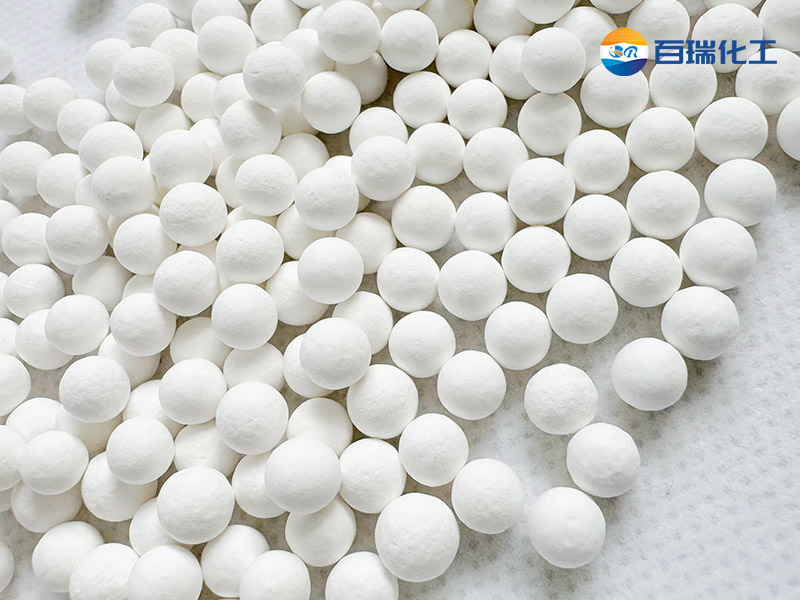
Alumina ceramic balls: With high hardness, they are extremely wear-resistant. Under the same harsh working conditions, their service life is several times, even tens of times, longer than that of ordinary ceramic balls. This translates to less downtime, lower replacement frequency, and lower overall costs in the long run.
Corrosion Resistance:
Ordinary ceramic balls: Easily corroded in strong acids, strong alkalis, or organic solvents. The surface will be damaged, strength reduced, and impurities may be introduced into the product, affecting purity.
Alumina ceramic balls: Extremely chemically stable, they do not react with most chemicals. They ensure absolute non-contamination of products during the production of high-purity chemicals, pharmaceuticals, or food.
High Temperature Resistance:
Ordinary ceramic balls: Easily soften, deform, or crack at high temperatures, exhibiting poor thermal stability. They may even burst during sudden temperature changes.
Alumina ceramic balls: Naturally resistant to high temperatures, maintaining performance unchanged in environments above 1600℃. For high-temperature industries such as petrochemicals and ceramic firing, they are the cornerstone of ensuring safe production and process stability.
Compressive Strength:
Ordinary ceramic balls: Limited compressive and impact resistance. At the bottom of large packed towers, they may be crushed by their own weight, leading to bed blockage and increased pressure drop.
Alumina ceramic balls: Extremely high mechanical strength, capable of withstanding enormous pressure and impact, ensuring long-term stability of the internal structure and unobstructed air/liquid flow.
In summary:
If your operating conditions are: normal temperature, normal pressure, no corrosion, slight wear, and low lifespan requirements → you can consider ordinary ceramic balls.
However, if your operating conditions involve: high temperature, high pressure, corrosive environment, high wear, and high purity requirements → then alumina ceramic balls are your only reliable choice.