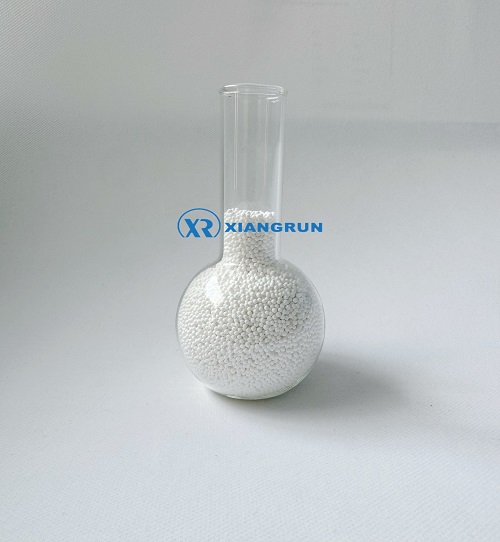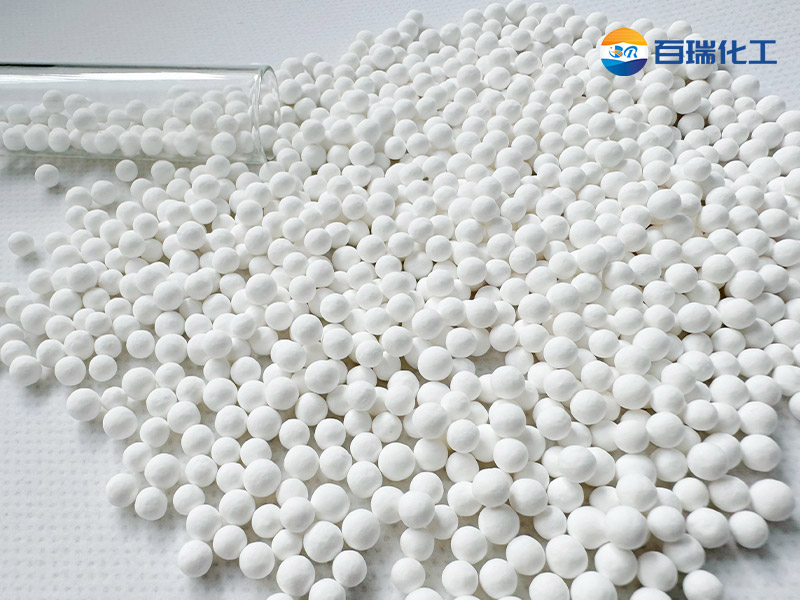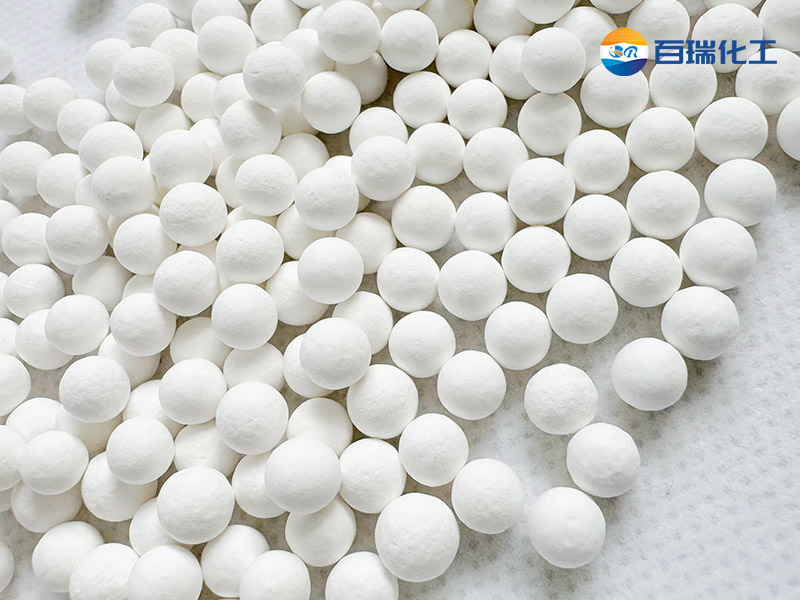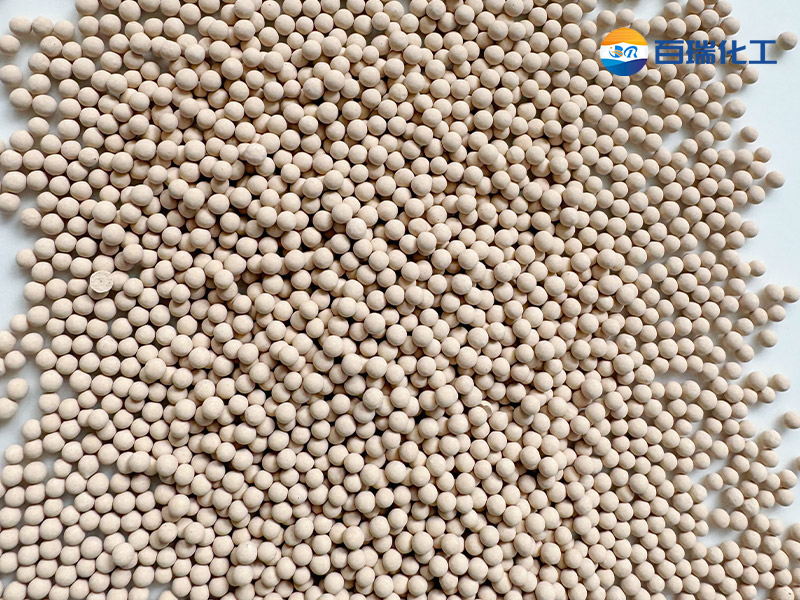


Activated alumina microspheres are increasingly recognized as a high-performance functional material in environmental protection and industrial processing. With their uniform spherical structure, high surface area, and excellent adsorption capacity, these microspheres are now widely applied in gas drying, water treatment, and catalyst support systems.
Gas Drying and Air Separation Applications
One of the most established applications of activated alumina microspheres is in gas drying systems. Thanks to their strong affinity for moisture, they are commonly used as desiccants in compressed air units, natural gas dehydration, and air separation plants. Compared with conventional alumina granules, microspheres offer more consistent pressure drop control and improved mass transfer efficiency, making them suitable for continuous and large-scale operations.
In air separation units, activated alumina microspheres are often employed as a pre-drying adsorbent to remove water vapor and trace impurities, helping to protect downstream molecular sieves and extend overall system service life.
Water Treatment and Fluoride Removal
Activated alumina microspheres also play a key role in water purification applications. Their porous structure allows effective adsorption of fluoride, arsenic, and other harmful ions from drinking water and industrial wastewater. In municipal water treatment projects and decentralized purification systems, these microspheres are favored for their chemical stability, regeneration capability, and long operational lifespan.
As global demand for safe drinking water continues to grow, activated alumina microspheres are becoming an important material choice for fluoride removal in regions affected by high-fluoride groundwater.
Catalyst Support and Petrochemical Use
In the petrochemical and refining industries, activated alumina microspheres are widely used as catalyst carriers and catalyst bed materials. Their high mechanical strength and thermal stability allow them to perform reliably under high-temperature and high-pressure conditions. The uniform particle size distribution also ensures better flow characteristics and catalyst dispersion, contributing to improved reaction efficiency.
Typical applications include hydrogenation processes, sulfur recovery units, and various fixed-bed catalytic reactions.
Environmental Protection and Sustainable Development
Beyond traditional industrial uses, activated alumina microspheres are gaining attention in environmental protection projects, such as VOC adsorption, waste gas purification, and advanced adsorption systems. Their reusability and low environmental impact align well with current trends toward sustainable and energy-efficient industrial solutions.