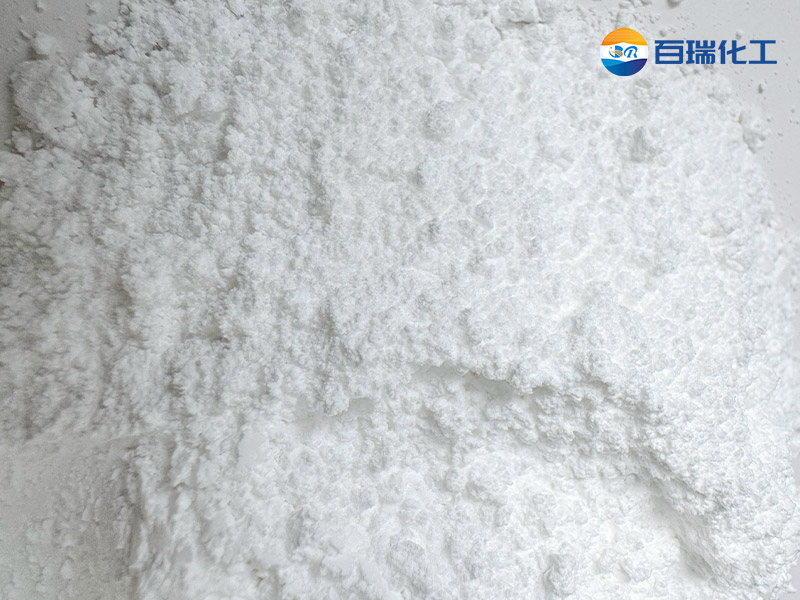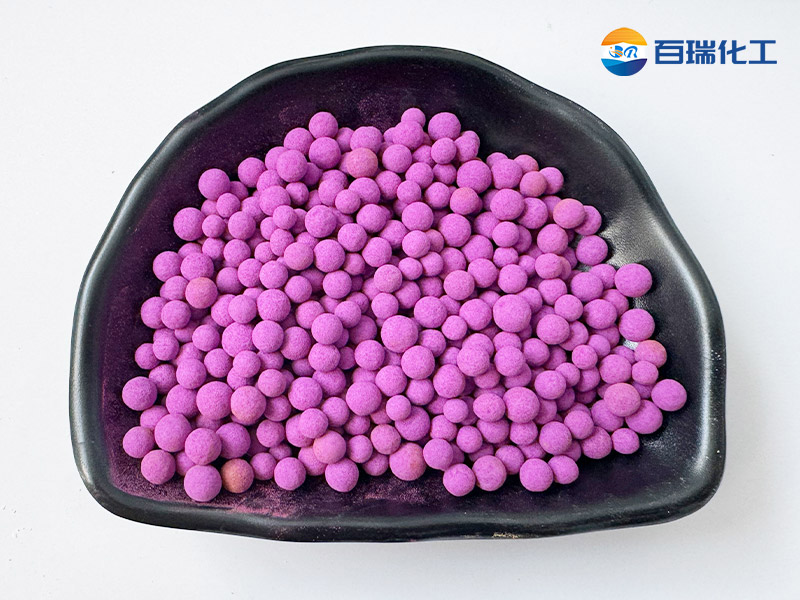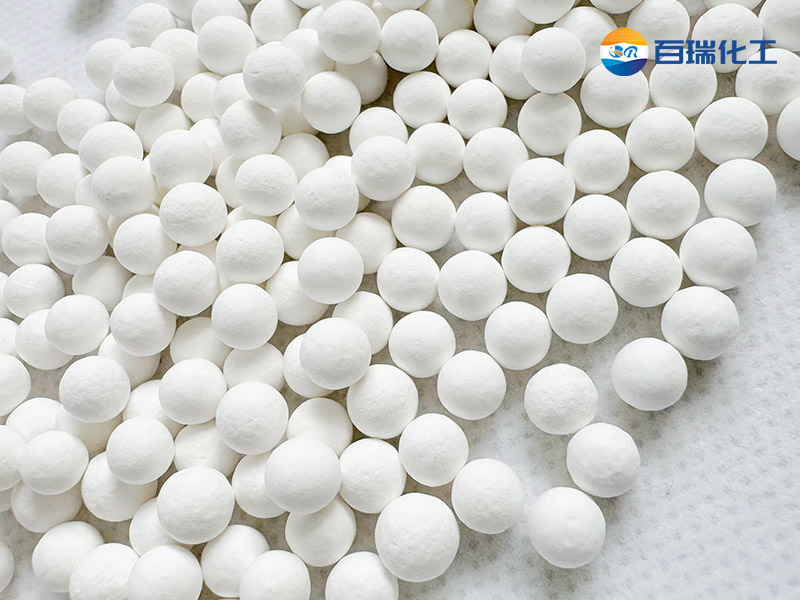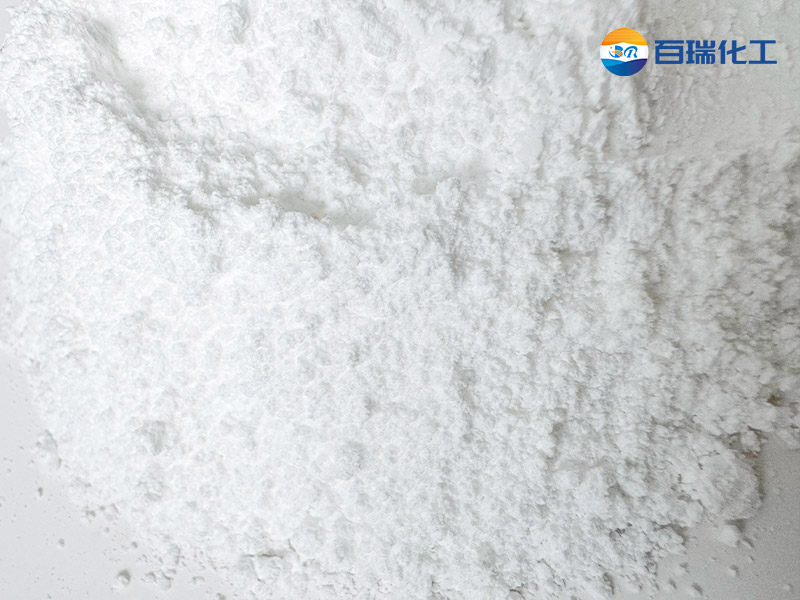


Alumina is an important inorganic material widely used in chemical engineering, metallurgy, ceramics, electronics, and other fields. Depending on their crystal structure and physicochemical properties, alumina can be divided into ordinary alumina and activated alumina. Although they share the same chemical composition, they exhibit significant differences in microstructure, specific surface area, adsorption performance, and industrial applications.
一、Chemical Composition and Crystal Structure
Alumina
- Primarily composed of stable α-Al₂O₃, with a dense crystal structure and a small specific surface area (typically <10 m²/g).
- Naturally occurring forms include corundum and rubies.
Activated Alumina
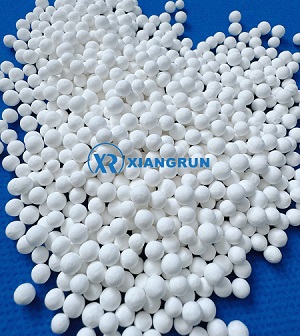
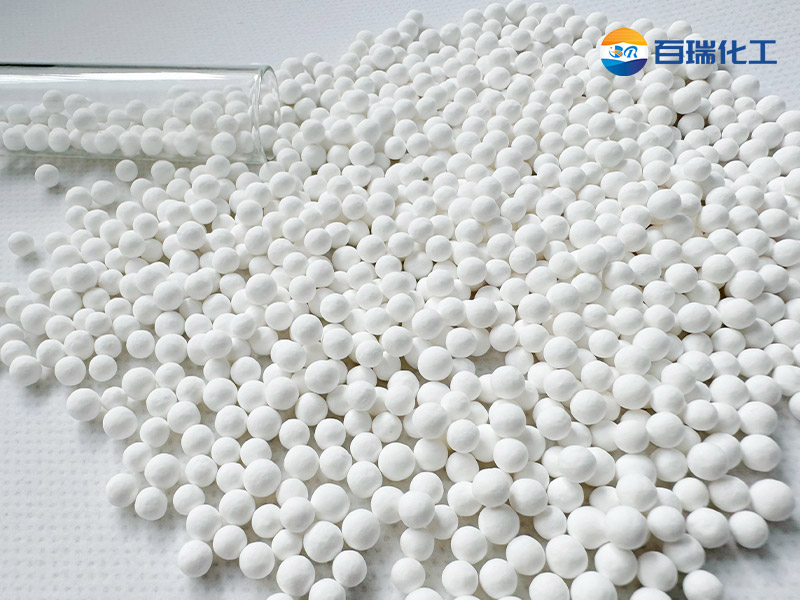
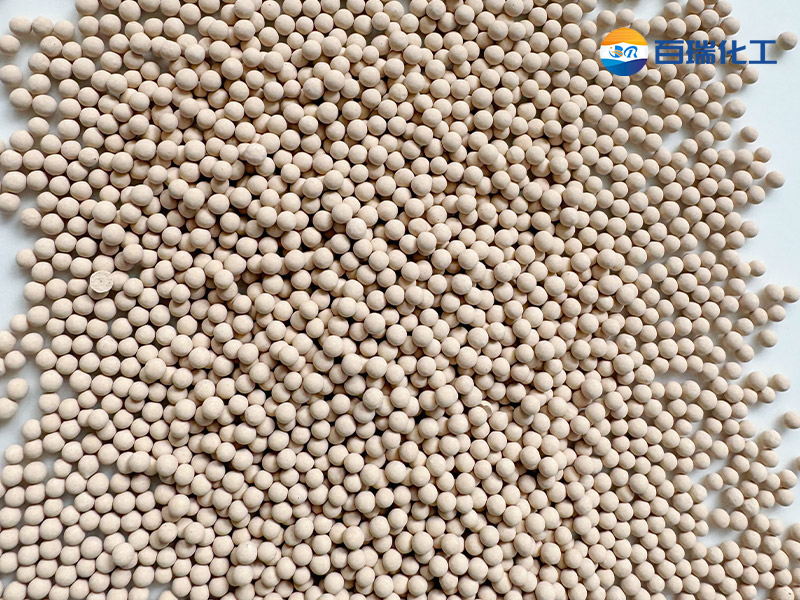
- Mostly consists of transition-phase crystals such as γ-Al₂O₃ or η-Al₂O₃, featuring a loose, porous structure and a large specific surface area (200-400 m²/g).
- Produced through low-temperature dehydration, retaining high surface activity.
二、Comparison of Physical Properties
| Property | Activated Alumina | Ordinary Alumina |
|---------------------|----------------------------------|---------------------------------|
| Specific Surface Area | High (200-400 m²/g) | Low (<10 m²/g) |
| Porosity | Porous structure | Dense structure |
| Adsorption Capacity | Strong (can adsorb water, fluoride, etc.) | Almost no adsorption capability |
| Thermal Stability | Transforms to α-phase at high temperatures (>1000°C) | Stable (melting point 2054°C) |
三、 Comparison of Preparation Methods
Activated Alumina:
Produced by calcining aluminum hydroxide at 400-600°C, with controlled temperature to avoid α-phase formation.
Ordinary Alumina:
Obtained through high-temperature calcination (>1200°C), directly forming stable α-Al₂O₃.
四. Comparison of Application Fields
Activated Alumina:
Adsorbent: Drying gases/liquids, fluoride removal from drinking water.
Catalyst Support: Petrochemical applications (e.g., hydrogenation, desulfurization).
Chromatographic Filler: Used for separation and purification.
Ordinary Alumina:
Abrasive Material: Ceramics, grinding agents.
Refractory Material: High-temperature furnace linings, crucibles.
Insulator: Substrates for electronic devices.
Key Differences Summary:
Activity Difference: Activated alumina has hydroxyl-rich surfaces and unsaturated bonds, exhibiting high chemical activity, while ordinary alumina is inert.
Application Differentiation: Activated alumina is used for adsorption and catalysis, whereas ordinary alumina is preferred for structural materials.