

I. What are the differences between activated alumina powder and ordinary alumina powder?
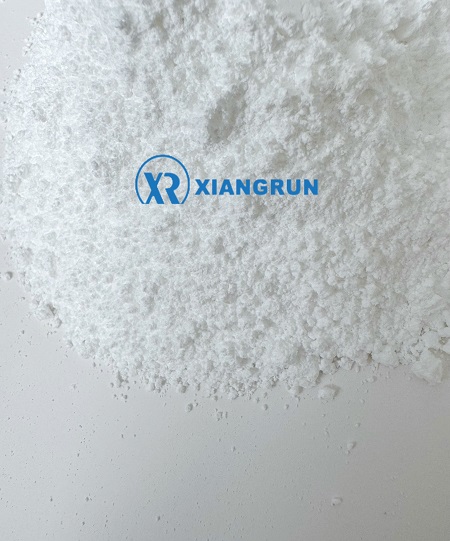
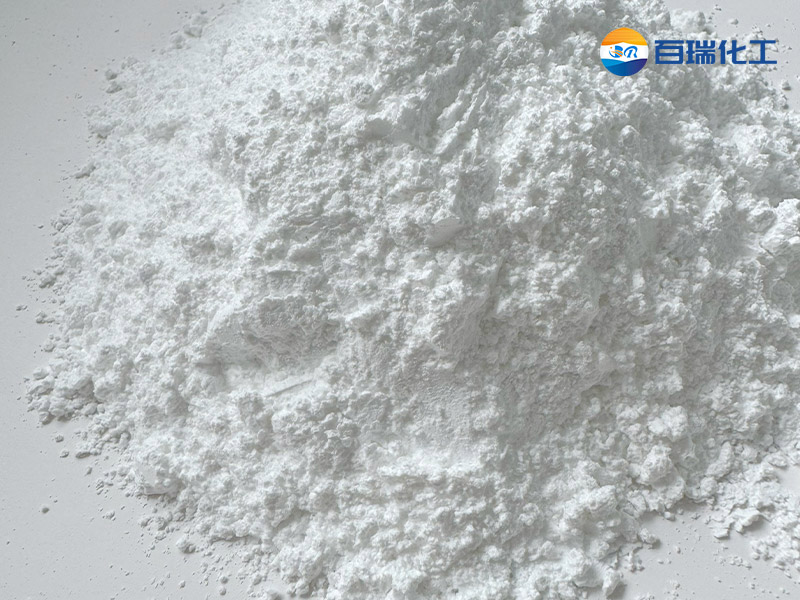
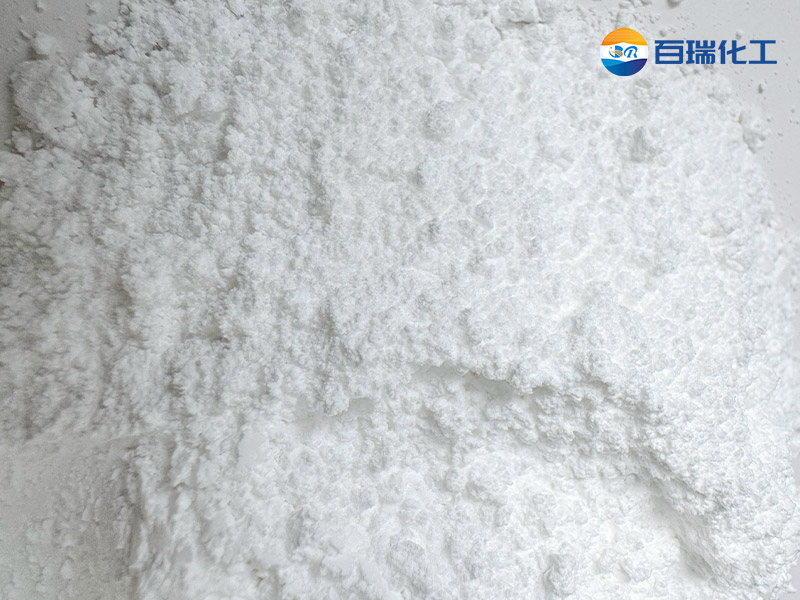
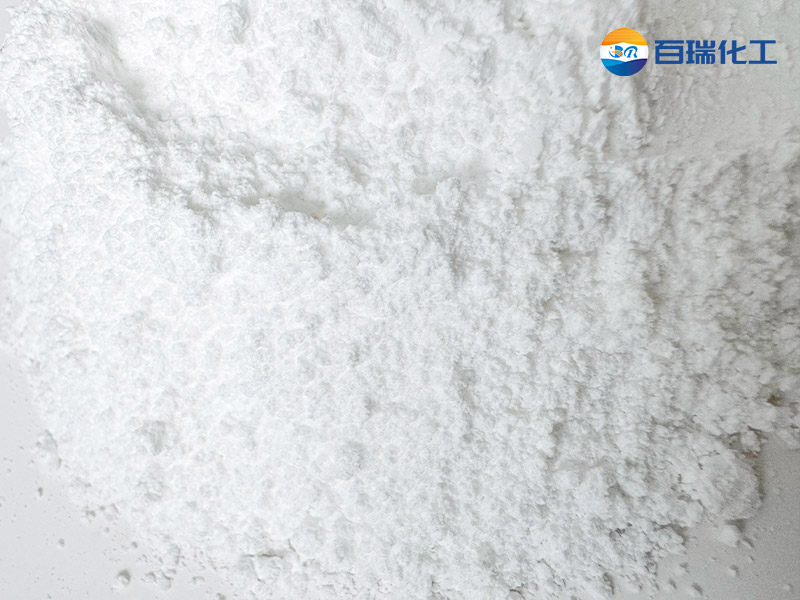
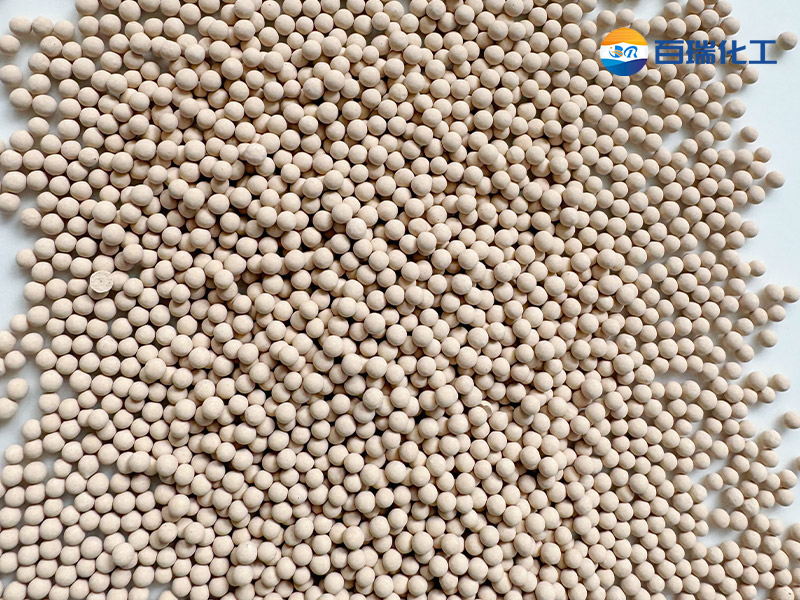
Activated alumina powder is a porous alumina material prepared through a special process, possessing the following typical characteristics: High specific surface area; Large pore volume and controllable pore size distribution; Strong surface activity, easily modified.
Ordinary alumina powder, on the other hand, is mainly used in structural ceramics, refractory materials, or polishing applications, focusing on particle size and purity, with lower requirements for pore structure. If the application involves adsorption, impurity removal, catalyst loading, or chemical reaction interfaces, activated alumina powder should generally be chosen over ordinary alumina powder.
II. In which fields is activated alumina powder mainly used?
Adsorbent and desiccant raw material
Catalyst and catalyst support
Functional ceramics and structural materials
Fine chemicals and new energy materials
III. How to Select the Right Type of Activated Alumina Powder?
When selecting a type, it is recommended to focus on the following parameters:
1. Specific Surface Area (BET): Determines the adsorption or reaction capacity per unit mass of material. Adsorption applications typically require a higher BET value.
2. Pore Volume and Pore Size Distribution: Affects the diffusion efficiency of gases or liquids, and is particularly critical for catalyst supports.
3. Particle Size Distribution: Related to the molding process, coating effect, and flow properties.
4. Chemical Purity and Impurity Content: Excessive impurities such as sodium and iron may affect catalytic activity or product stability.
IV. Can the parameters of activated alumina powder be customized?
Yes. Professional alumina manufacturers typically support the following customization options:
Specific surface area range adjustment
Pore structure control
Particle size distribution design
Impurity content control
Surface modification treatment
V. Will there be performance differences between different batches? How to ensure consistency?
This is a major concern for many engineering project clients. The batch stability of activated alumina powder mainly depends on:
Raw material control system
Stable preparation process route
Precision of calcination and grading equipment
Completeness of quality inspection process
Professional manufacturers typically implement batch tracking management for key indicators to ensure long-term supply consistency. For continuous operation units or export projects, it is recommended to prioritize suppliers with large-scale production and quality system certifications.
VI. How to determine if activated alumina powder is suitable for your operating conditions?
1. Provide detailed operating parameters to the supplier for technical matching.
2. Conduct small-scale or pilot-scale tests.
3. Compare key indicators such as adsorption efficiency, mechanical strength, and cycle stability.
4. Evaluate long-term operating costs rather than just looking at the initial purchase price.
VII. What are the advantages of choosing Zibo Xiangrun Environmental Engineering Co., Ltd.?
Complete product system: from alumina powder to molded adsorbents
Stable batch consistency
Support for customized application parameters
Technical team available to address issues
Extensive export experience and familiarity with international standards
This is especially important for foreign trade clients and long-term projects, effectively reducing usage risks.
If you have any questions or needs regarding activated alumina powder, please contact Zibo Xiangrun Environmental Engineering Co., Ltd. – a professional alumina manufacturer.