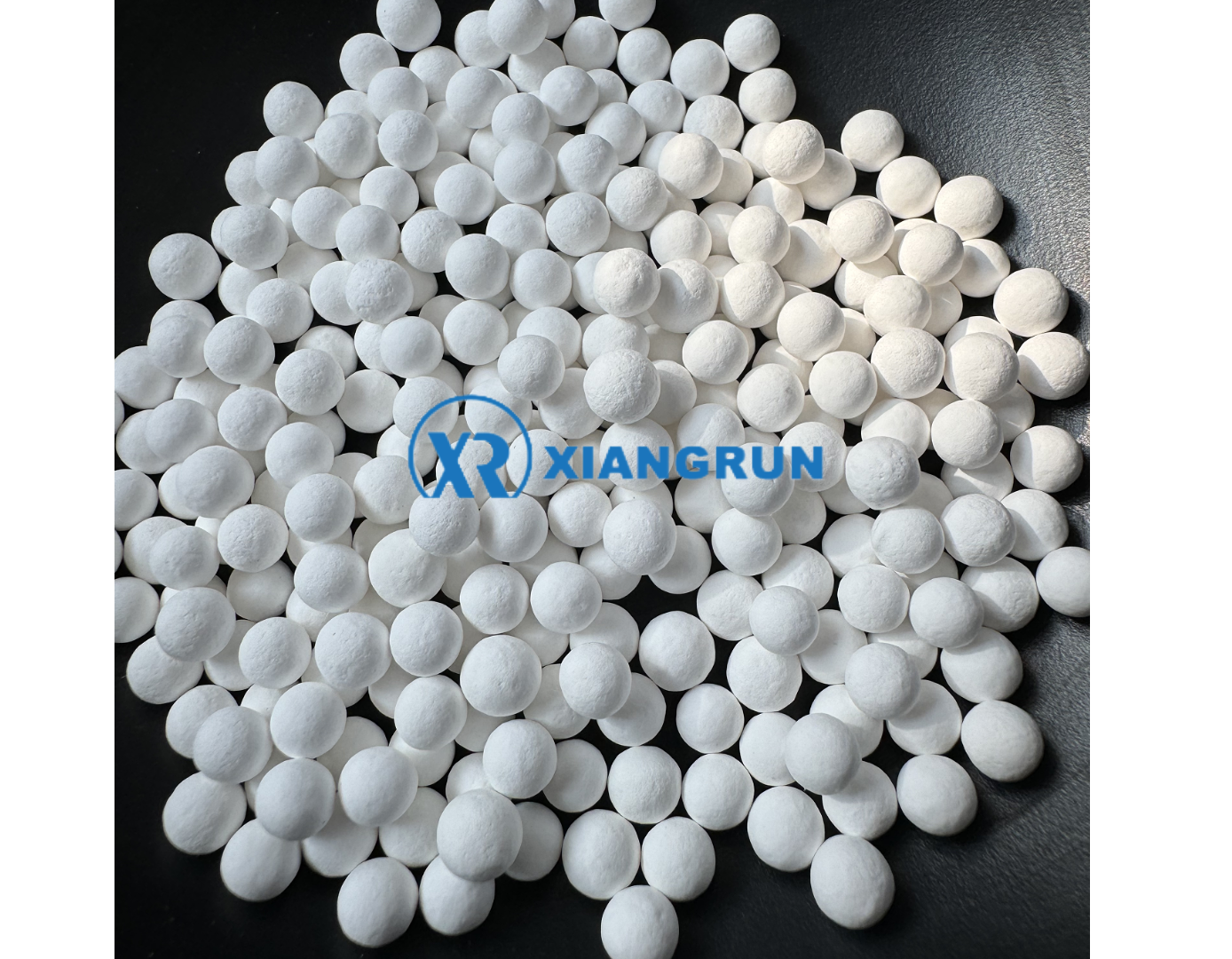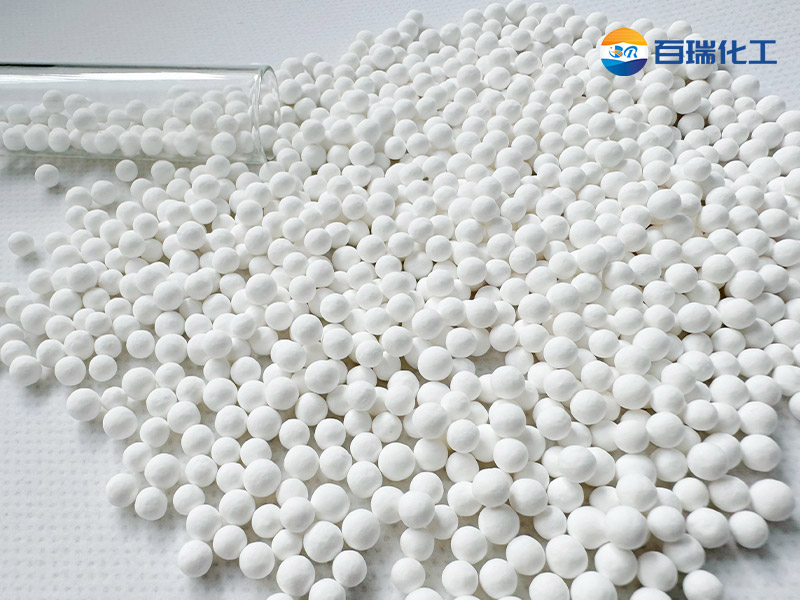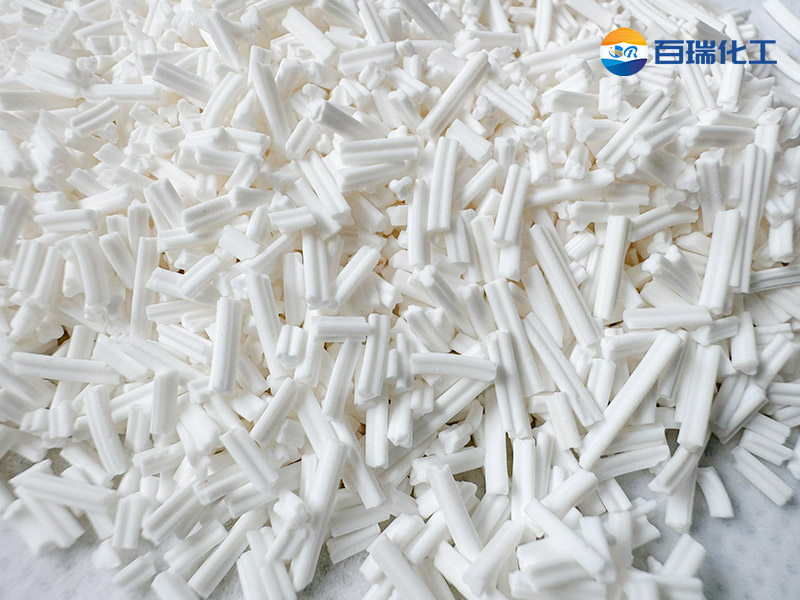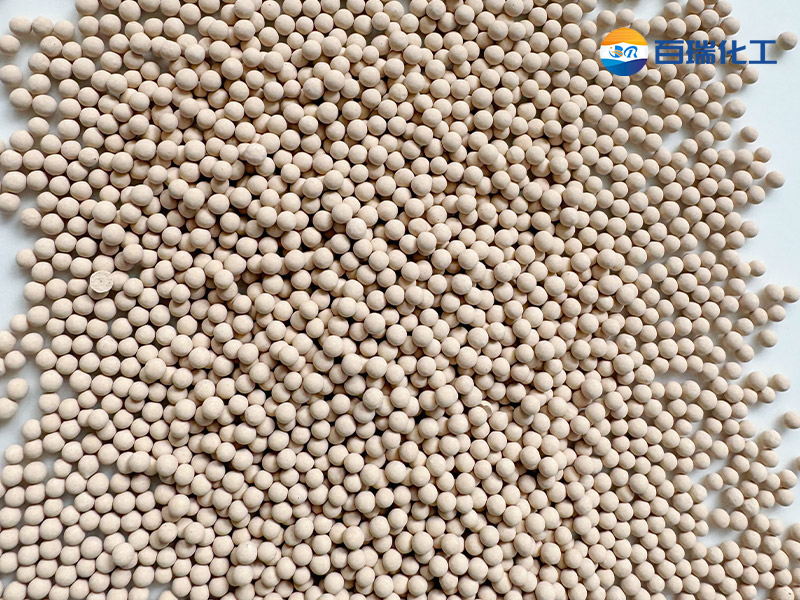


In compressed air systems and industrial gas handling, activated alumina is one of the most common and critical adsorbent materials for dryers. To help customers better select and use it, the following are answers to frequently asked questions about activated alumina desiccants.
Q1: Why is activated alumina a desiccant commonly used in compressed air dryers?
In compressed air dryer systems, the adsorbent not only needs to absorb water but also must be pressure-resistant, abrasion-resistant, and regenerable.
Compared to common desiccants like silica gel, activated alumina for dryers has:
Higher compressive strength
Lower pulverization rate
More stable dew point control
Therefore, it is more suitable for long-term use in industrial-grade compressed air dryers.
Q2: What does activated alumina primarily adsorb in dryers?
It primarily adsorbs moisture (H₂O) from gases to lower the dew point and prevent:
Condensation in compressed air systems
Corrosion of pipes and equipment
Failure of pneumatic instruments
Moisture absorption in downstream equipment or processes
In some applications, it can also help remove small amounts of acidic gases or impurities, improving system stability.
Q3: Does the particle size of activated alumina affect dryer performance?
Yes, particle size is one of the key factors when selecting activated alumina for dryers.
Particle size that is too small may lead to increased system pressure drop, while particle size that is too large may affect adsorption efficiency.
Professional air desiccants typically recommend a suitable particle size range based on the dryer structure, gas flow rate, and operating pressure to achieve optimal adsorption efficiency and operational stability.
Q4: Can activated alumina for dryers be repeatedly regenerated?
Yes.
Activated alumina desiccants have excellent regeneration properties and can be regenerated multiple times through heating or depressurization.
Under reasonable operating conditions, high-quality activated alumina for dryers can maintain good adsorption capacity even after multiple adsorption-regeneration cycles, thus significantly reducing long-term operating costs.
Q5: Why do some activated alumina particles easily pulverize in dryers?
Pulverization is usually related to product quality and operating condition matching, such as: Insufficient raw material purity; Inadequate mechanical strength; High airflow scouring intensity in the dryer; Misuse of non-dryer-specific activated alumina. Industrial-grade activated alumina is typically optimized for strength and abrasion resistance, making it more suitable for high-flow-rate and high-pressure environments.
Q6: Can activated alumina be used in conjunction with molecular sieves in dryers?
Yes, and it is very common in low dew-point systems.
In many industrial drying solutions, activated alumina desiccant is often used as a pre-drying material in combination with molecular sieves to effectively reduce the molecular sieve load and extend system life.
Q7: What is the most important factor when selecting activated alumina for a dryer?
We recommend focusing on:
Adsorption performance stability
Mechanical strength and pulverization rate
Regeneration performance
Compatibility with dryer operating conditions
Compared to simply pursuing the lowest price, high-quality activated alumina desiccant is more beneficial for reducing overall operating costs.
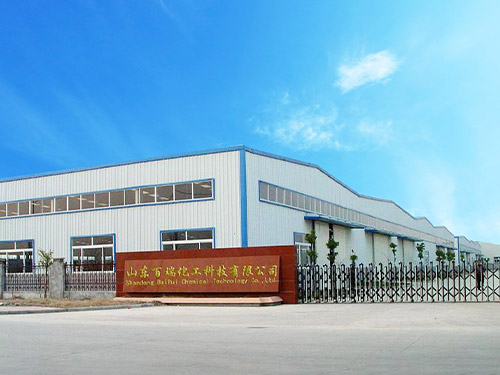
Choosing the right activated alumina desiccant not only achieves stable moisture control but also significantly improves the long-term operational reliability of the equipment. If you have any questions or needs regarding activated alumina for dryers, please contact Zibo Xiangrun Environmental Engineering Co., Ltd. – a professional alumina manufacturer.