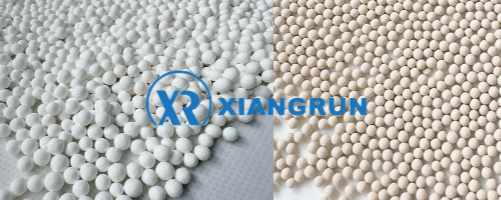


In industrial drying, air handling, and gas purification, activated alumina, molecular sieves, and silica gel are the three most common types of drying and adsorption materials.
Many users encounter the same question when choosing a material:
"They all seem to absorb water, but what are the fundamental differences? Which one should I choose?"
I. From a material perspective: The three adsorbents are not the same.
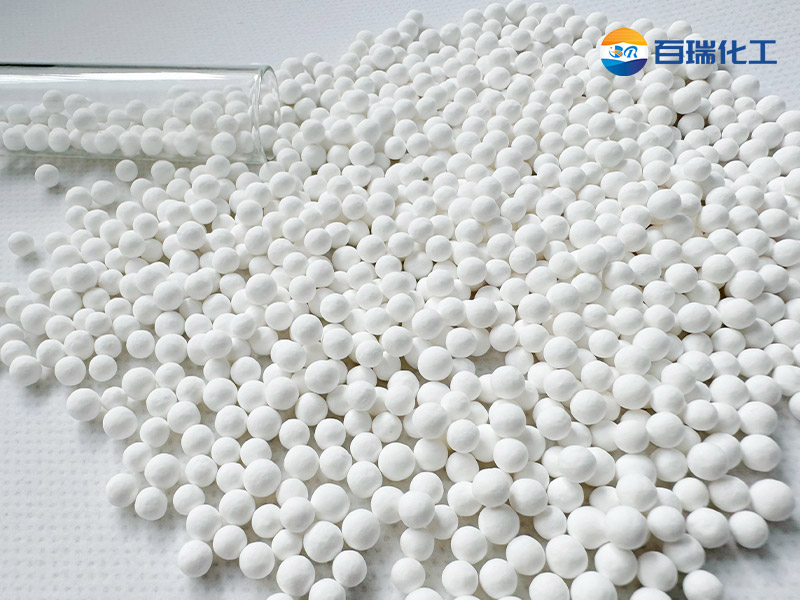
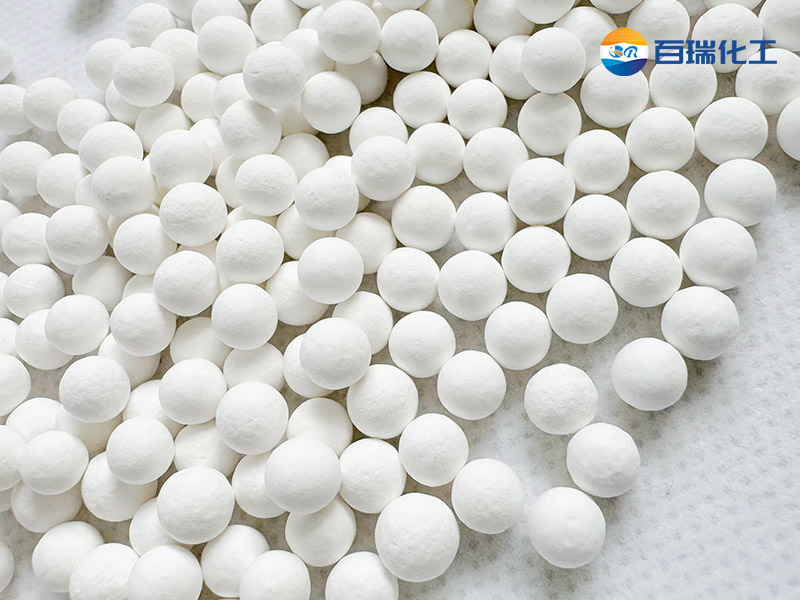
1. Activated Alumina: Activated alumina is an alumina material with a high specific surface area and porous structure. It removes moisture and some impurities mainly through physical adsorption.
Its characteristics include structural stability, strong adaptability, and the ability to maintain relatively balanced performance under various industrial conditions.
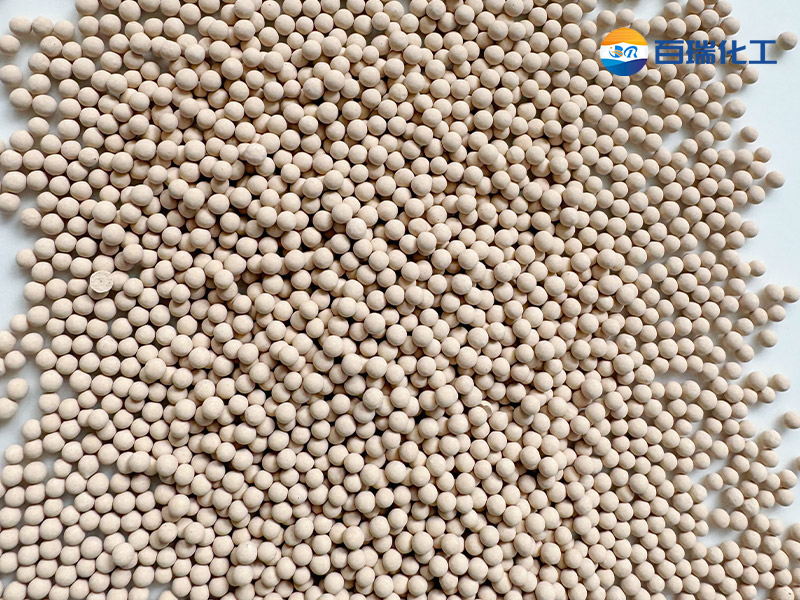
2. Molecular Sieve: Molecular sieves are crystalline aluminosilicate materials with highly uniform pore sizes, enabling "molecular-level sieving" and exhibiting extremely strong selective adsorption capacity for water molecules.
It is more like a "high-precision adsorption material."
3. Silica Gel: Silica gel's main component is silicon dioxide, with an amorphous porous structure. Its adsorption capacity relies on physical adsorption, and the process is mature and cost-effective.
It has a certain moisture absorption effect under normal conditions, but its resistance to extreme working conditions is limited.
II. Adsorption Capacity Comparison: Which is Stronger?
If only water absorption capacity is considered, the ranking under ideal conditions is usually:
Molecular sieve > Activated alumina > Silica gel
However, it's important to note:
Strong adsorption capacity ≠ necessarily more suitable for industrial applications
Industrial applications prioritize long-term stability and overall cost.
III. Operating Condition Adaptability: This is the Key Differentiator
✔ Activated Alumina
* Wide range of temperature and humidity adaptability. Insensitive to inlet air conditions. Minimal performance degradation after multiple regenerations. Ideal for compressed air and industrial gas drying systems.
✔ Molecular Sieves
High operating condition requirements. Susceptible to oil and impurities. Strict regeneration conditions required. More suitable for precision applications requiring extremely low dew points.
✔ Silica Gel
Unfriendly to high temperature and high humidity conditions. Prone to aging during long-term operation. More suitable for light industrial or civilian applications such as packaging and moisture protection.
IV. Why do many industrial systems ultimately choose activated alumina?
In fields such as compressed air, nitrogen production, hydrogen production, and air separation, users prioritize:
Stable operation
Reliable regeneration
Low pulverization rate
High system fault tolerance
Therefore, activated alumina is often considered the "mainstream choice" for industrial drying systems.
Taking Zibo Xiangrun Environmental Engineering Co., Ltd.'s XR101 activated alumina as an example, this model is designed with a focus on balancing adsorption performance, particle strength, and regeneration stability, making it more suitable for long-term continuous industrial gas drying conditions.
If you have any questions or needs regarding activated alumina desiccants, please contact Zibo Xiangrun Environmental Engineering Co., Ltd.—a professional alumina manufacturer.