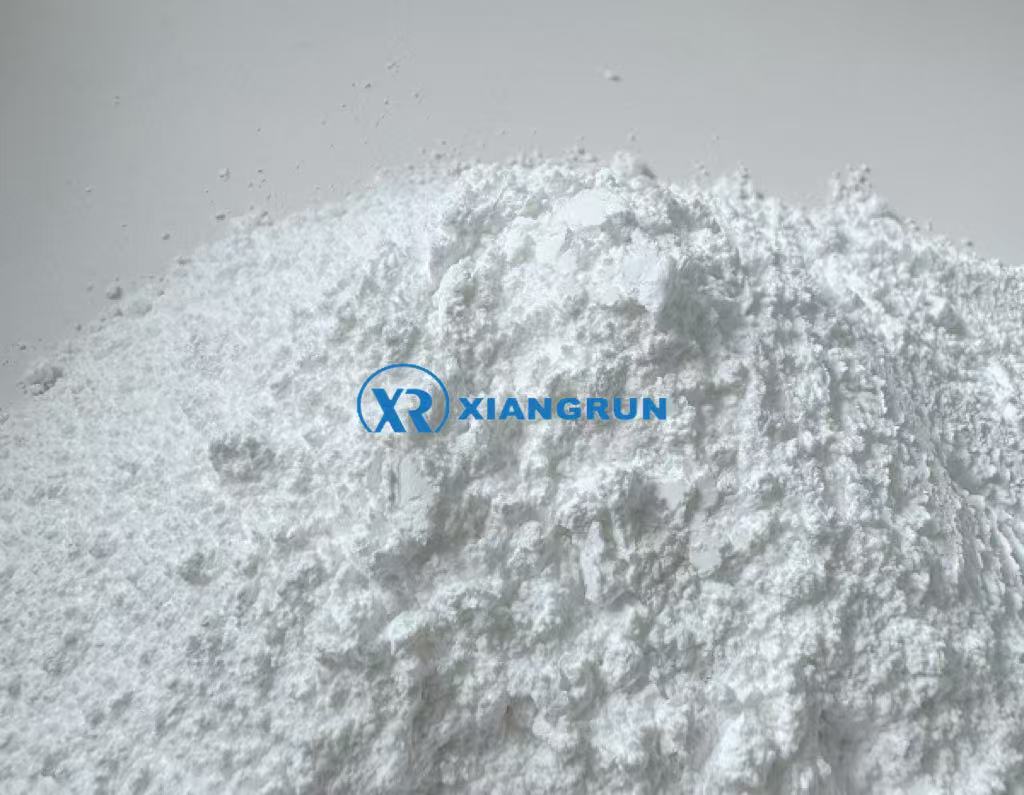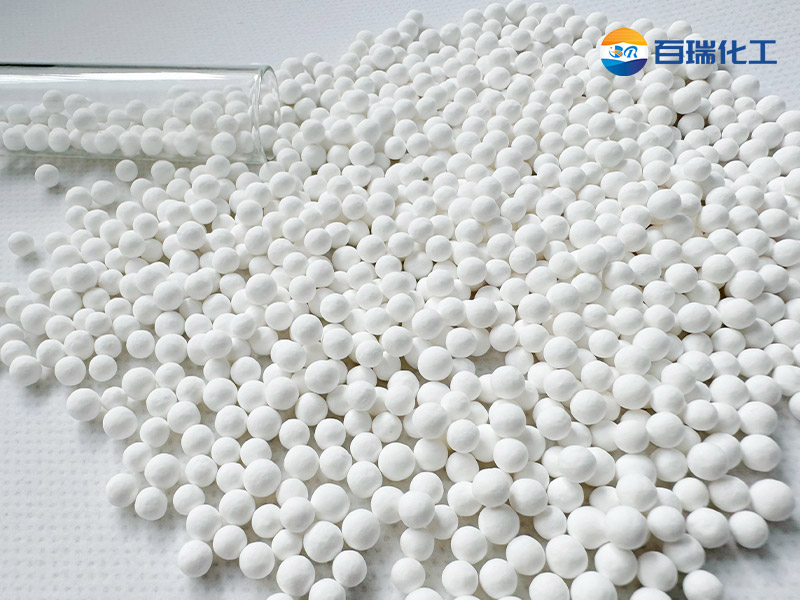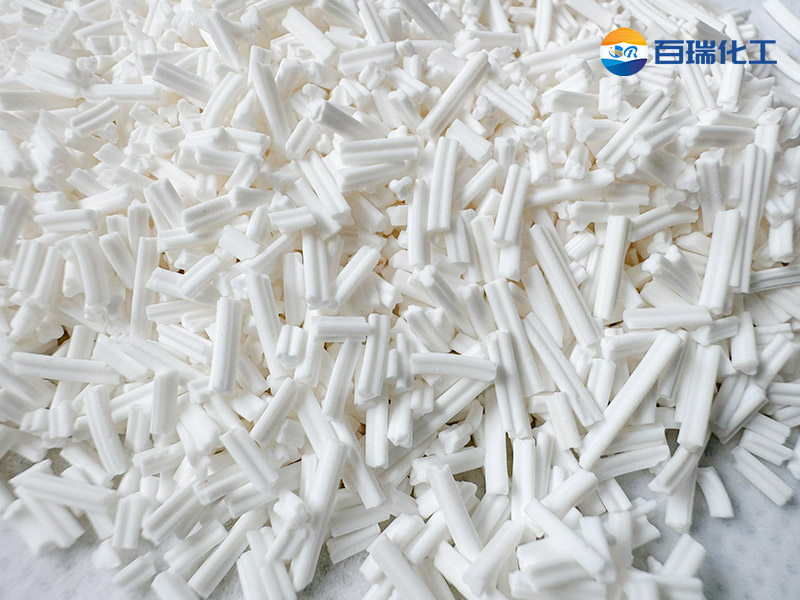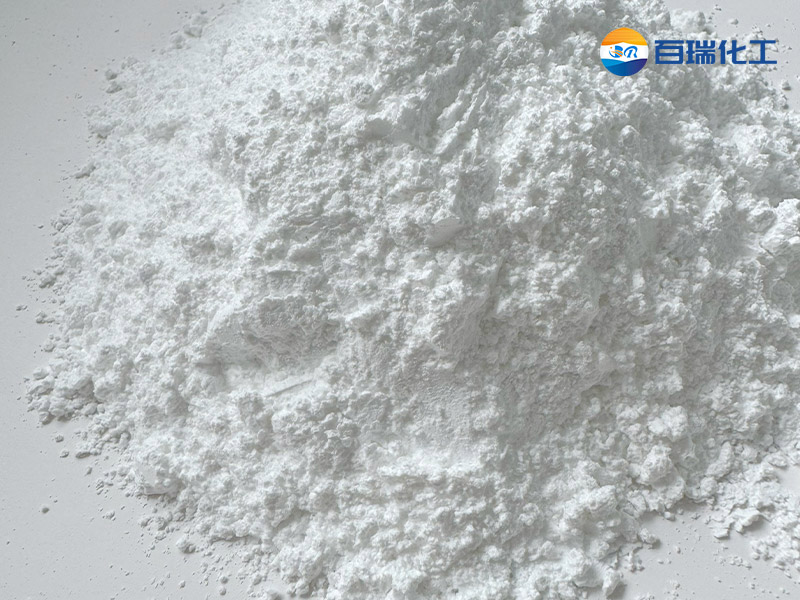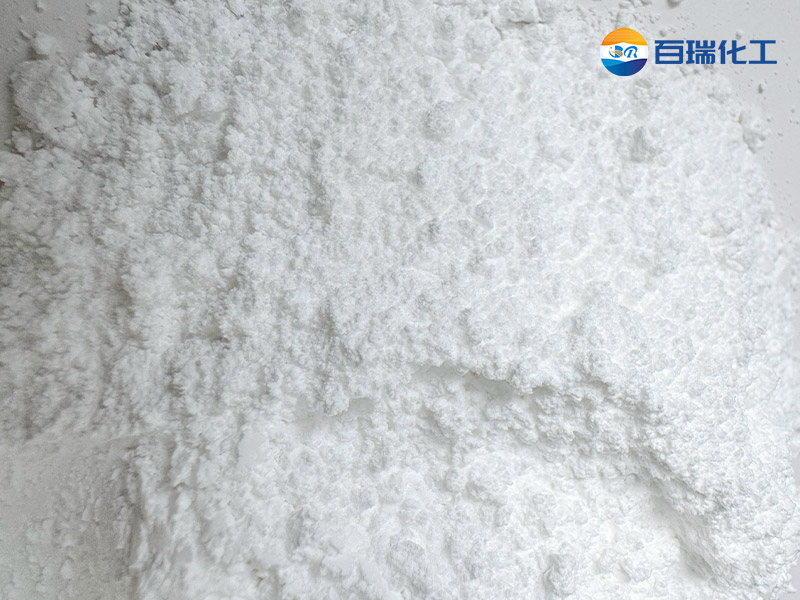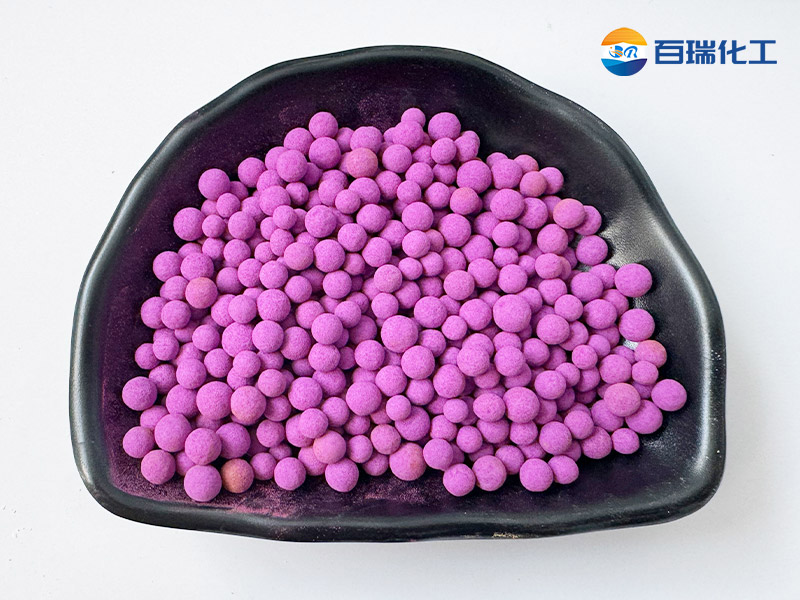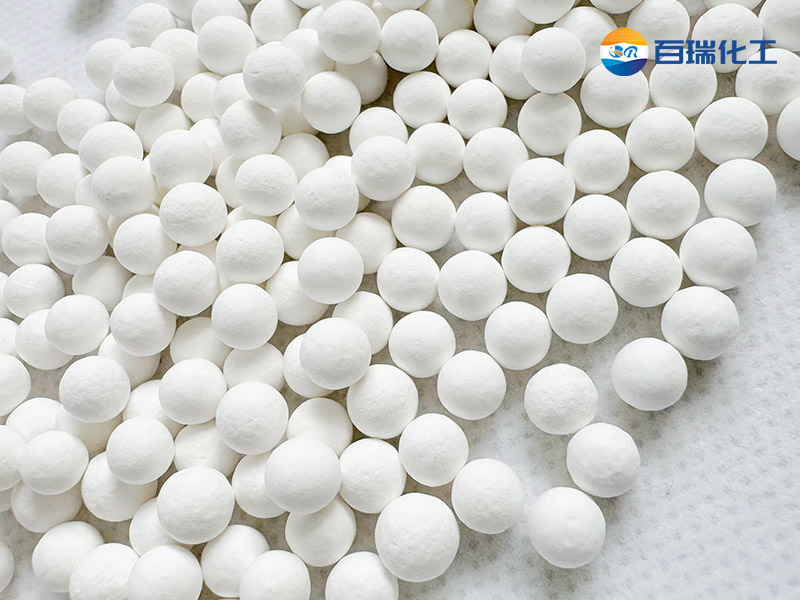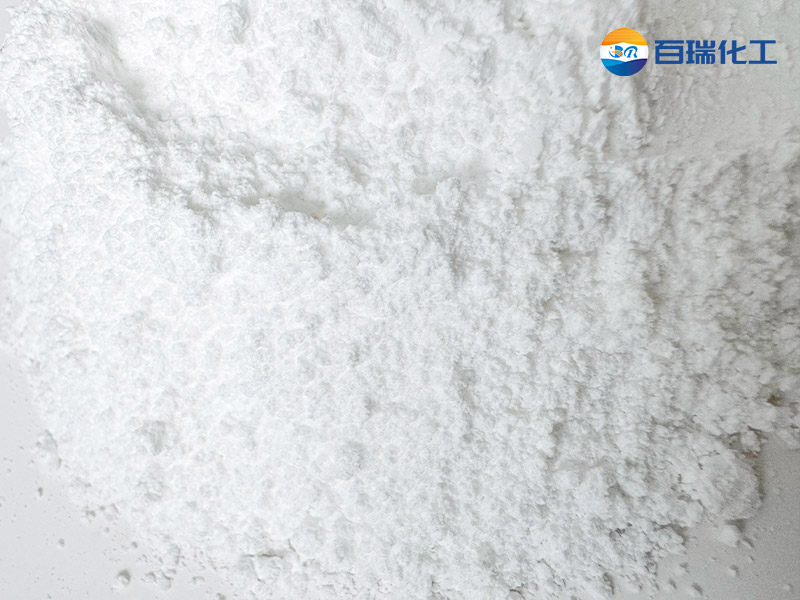


Activated alumina powder and ordinary alumina powder are two common materials. Although both belong to alumina products, they differ significantly in structural properties, production processes, and application areas. Understanding these differences helps in making more appropriate choices during procurement and use.
I. Differences in Structure and Physical Properties
1. Different Pore Structures
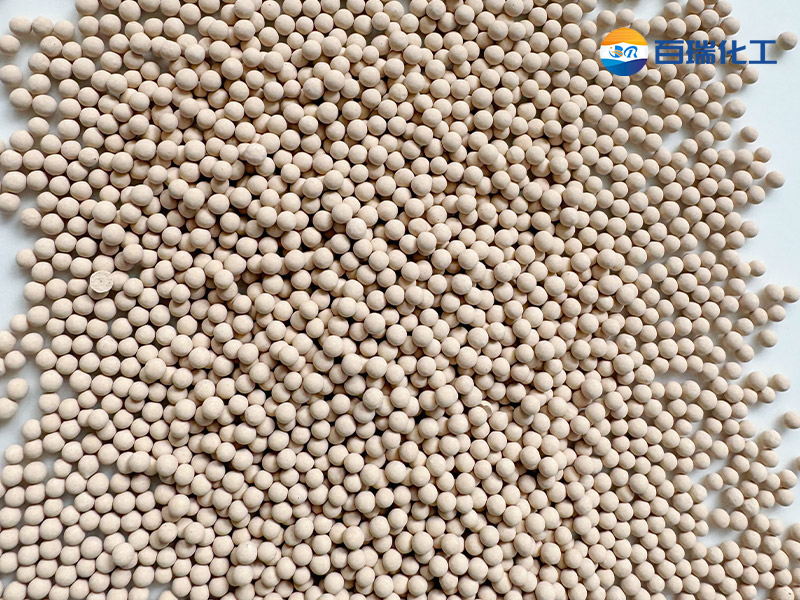
Activated alumina powder is a porous material with abundant micropores and mesopores, resulting in a large specific surface area and excellent adsorption performance. This structure enables it to effectively adsorb moisture, impurity gases, and various pollutants.
Ordinary alumina powder, on the other hand, typically has a dense structure with low porosity and a relatively small specific surface area. Therefore, its adsorption capacity is weaker, making it more suitable for structural materials or functional filler applications.
2. Significant Differences in Specific Surface Area
Activated alumina powder usually has a high specific surface area, providing more active sites and thus improving adsorption efficiency and catalytic reaction performance.
Ordinary alumina powder typically has a lower specific surface area, emphasizing physical properties such as hardness, wear resistance, and stability.
3. Different Adsorption Capacities
Activated alumina powder possesses excellent hygroscopic properties and adsorption capacity, showing significant advantages in gas drying, water treatment, and catalyst carriers.
Ordinary alumina powder, however, generally lacks significant adsorption performance; its main functions are concentrated on mechanical properties and high-temperature resistance.
II. Differences in Production Processes
Activated alumina powder is typically prepared from aluminum hydroxide or boehmite through a special calcination and activation process to form a stable porous structure, thereby achieving excellent adsorption and catalytic performance.
Ordinary alumina powder is mainly produced through a high-temperature calcination process, focusing on improving crystal stability and mechanical strength, with lower requirements for pore structure control.
III. Differences in Performance Stability
Activated alumina powder possesses excellent thermal stability and regeneration performance. After adsorption saturation, it can be regenerated and reused through heating, making it highly economical.
While ordinary alumina powder exhibits excellent high-temperature resistance, it typically lacks adsorption and regeneration capabilities.
IV. How to Choose the Right Alumina Powder?
In practical applications, companies should select based on their specific needs:
For applications in adsorption purification, drying, or catalysis, activated alumina powder is recommended.
For applications in wear-resistant, filling, or ceramic materials, ordinary alumina powder is more advantageous.
If higher requirements are placed on surface area, pore volume, and adsorption efficiency, activated alumina powder should be prioritized.
Choosing the appropriate type of alumina product can not only improve production efficiency but also effectively reduce operating costs. If you have any questions or needs regarding activated alumina powder, please contact Zibo Xiangrun Environmental Engineering Co., Ltd.—a professional alumina manufacturer.