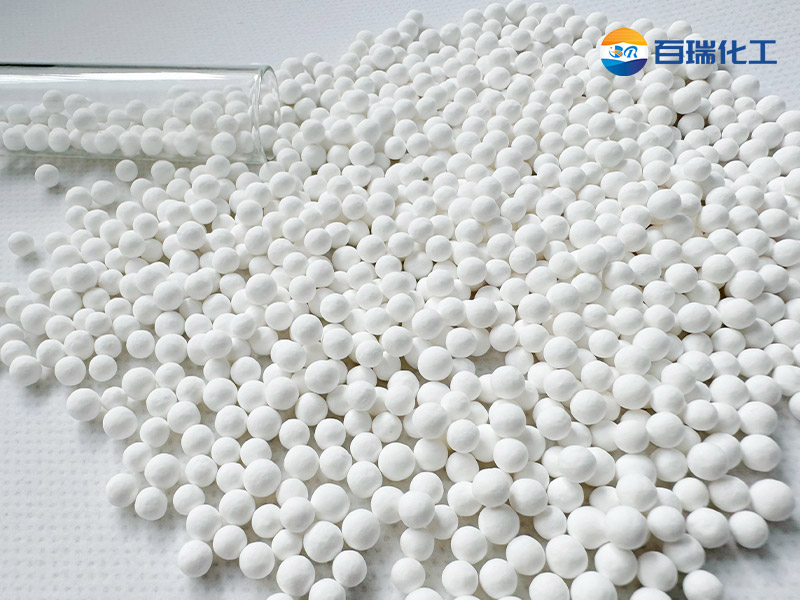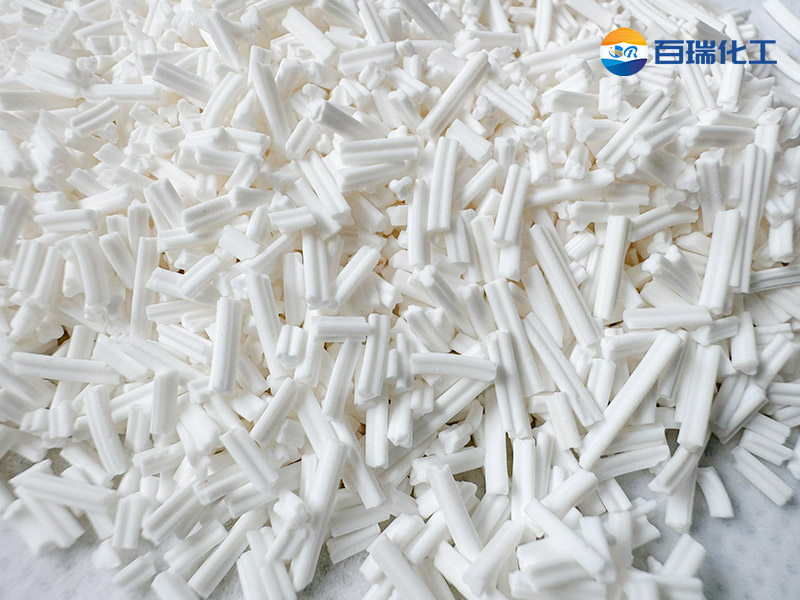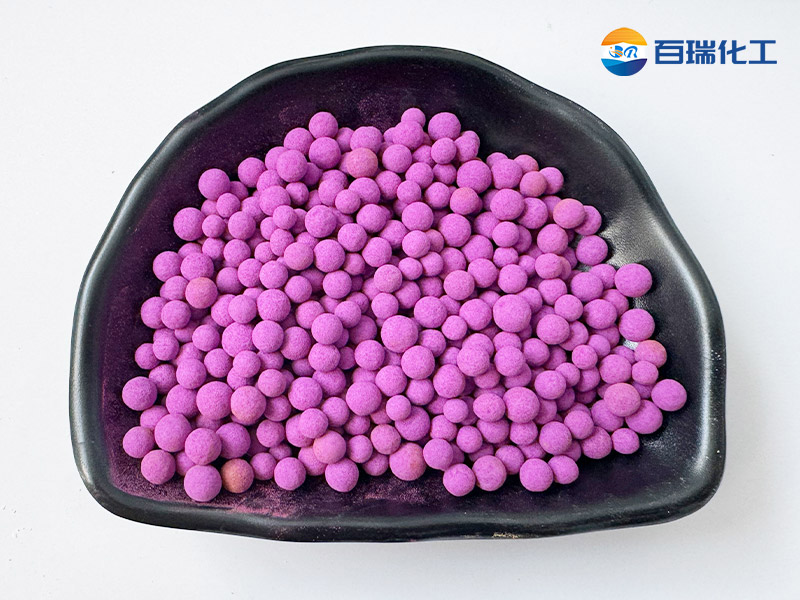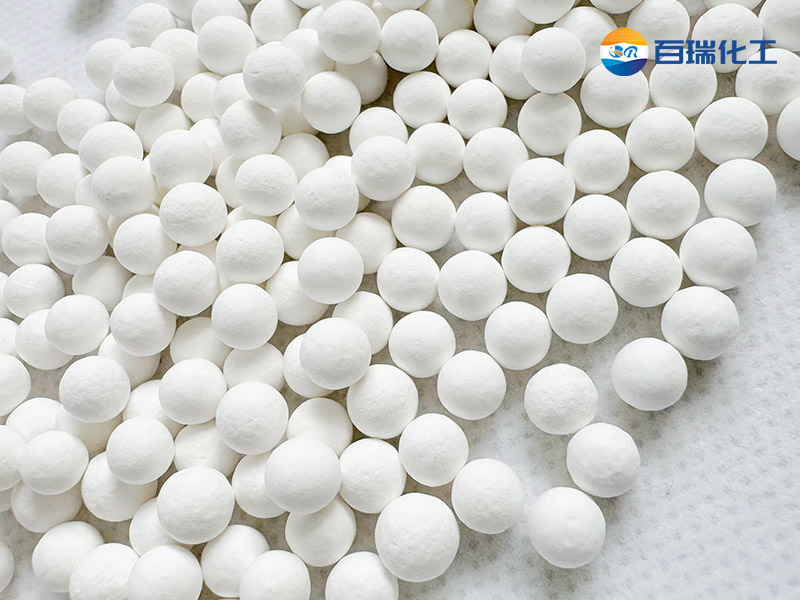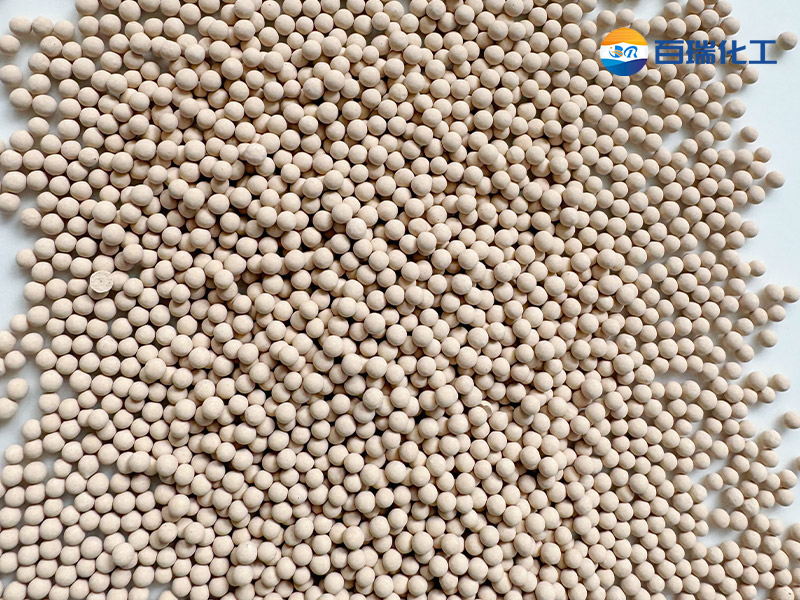


In the field of industrial gas production, air separation units are widely used to produce gases such as oxygen, nitrogen, and argon. Before entering the cryogenic separation system, air must undergo rigorous pretreatment to remove moisture and impurities; otherwise, ice or crystals will form at low temperatures, affecting the normal operation of the equipment. Therefore, activated alumina adsorbents play a crucial role in the air drying system of air separation equipment.
1. Adsorption Performance
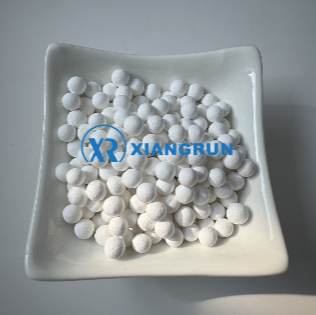
Adsorption capacity is one of the key indicators for selecting activated alumina. High-quality activated alumina has a large specific surface area and a well-developed pore structure, enabling it to rapidly adsorb moisture from the air, thereby effectively lowering the air dew point.
In air separation equipment, activated alumina is typically used in air pre-drying systems. Therefore, products with high adsorption capacity and fast moisture absorption rates should be selected to ensure that the air reaches an ideal dry state before entering the molecular sieve adsorption system.
2. Mechanical Strength
In industrial adsorption towers, the adsorbent needs to withstand long-term airflow impacts and repeated adsorption-regeneration cycles. Insufficient mechanical strength can cause particles to break and generate powder, reducing adsorption efficiency and potentially clogging the equipment.
Therefor, high-quality activated alumina should possess:
High compressive strength
Low abrasion rate
Good wear resistance
These characteristics ensure the adsorbent maintains stable performance during long-term operation.
3. Pore Structure and Specific Surface Area
The pore structure of activated alumina directly affects its adsorption capacity. A suitable pore size distribution can improve adsorption efficiency, making it easier for the adsorbent to capture water molecules.
Generally, activated alumina suitable for air separation devices has:
High specific surface area
Suitable pore size structure
Large pore volume
These characteristics contribute to improving overall adsorption efficiency.
4. Regeneration Performance
The adsorption system in air separation equipment typically employs a cyclic adsorption process; therefore, the adsorbent must possess excellent regeneration performance. High-quality activated alumina can recover its adsorption capacity after high-temperature regeneration and maintain stable performance through multiple cycles.
Good regeneration performance not only improves equipment operating efficiency but also extends the adsorbent's lifespan, thereby reducing operating costs.
5. Particle Size Selection
Smaller particles have a larger specific surface area but greater gas resistance; larger particles, on the other hand, facilitate gas flow. Therefore, in practical applications, it is necessary to select an appropriate particle size based on the adsorption tower structure and gas flow rate.
High-quality activated alumina from Zibo Xiangrun Environmental Engineering Co., Ltd. can effectively improve air drying efficiency, protect molecular sieve adsorption systems, and extend equipment lifespan, providing a stable and reliable solution for industrial gas production. If you have any questions or needs regarding activated alumina for air separation equipment, please contact Zibo Xiangrun Environmental Engineering Co., Ltd.—a professional alumina manufacturer.
2026-10-23
2026-10-22
2026-10-21