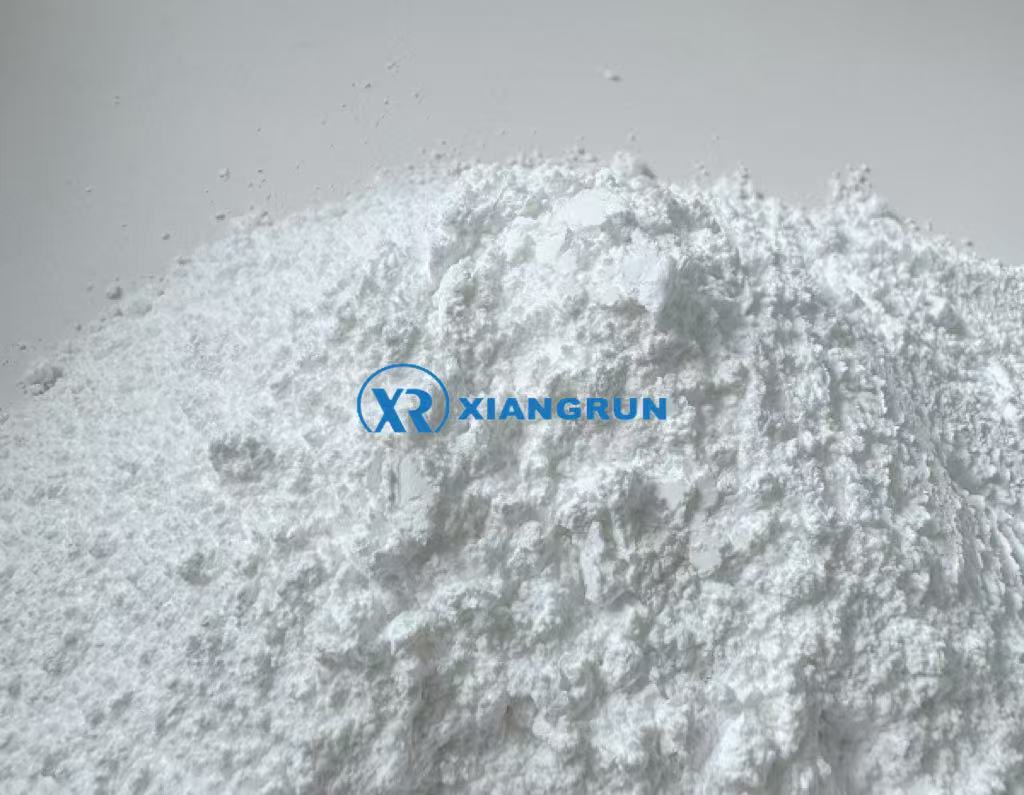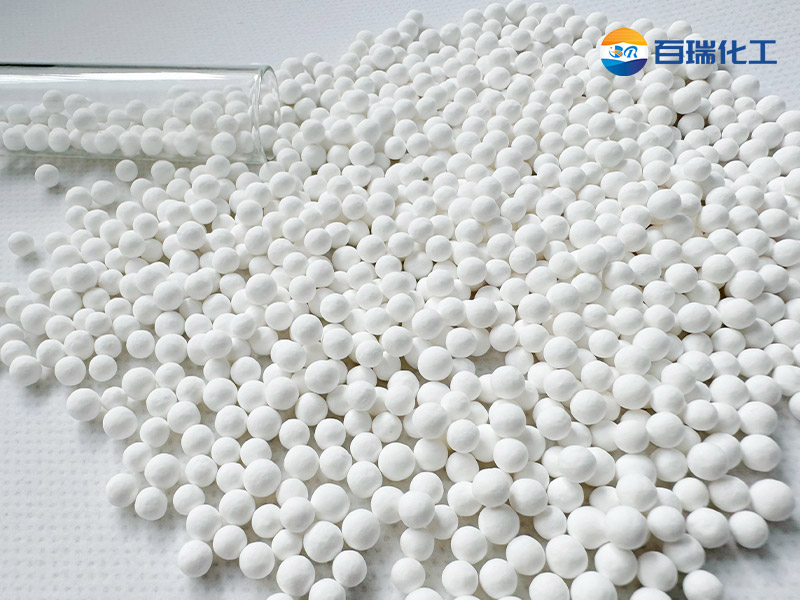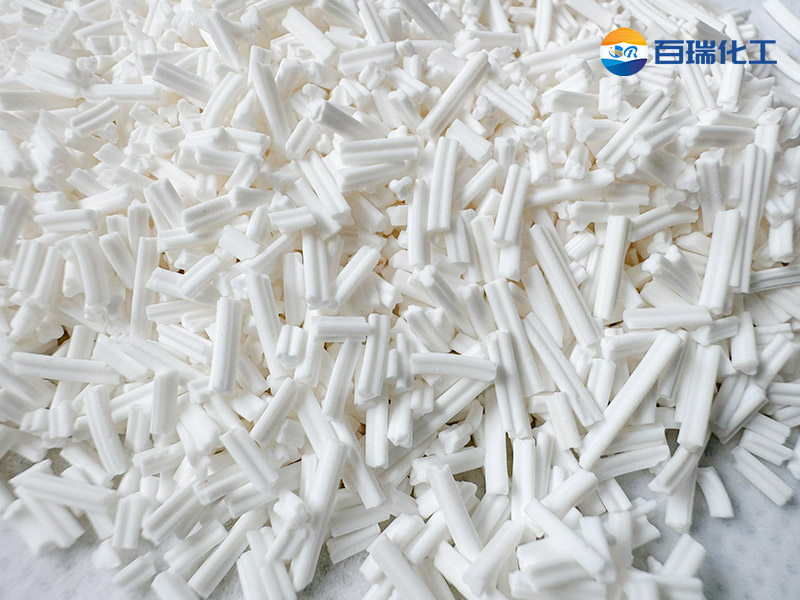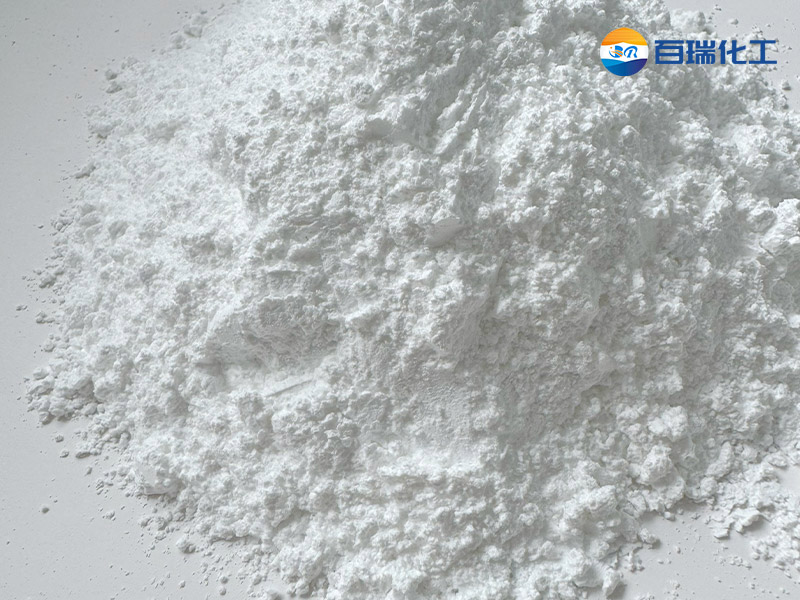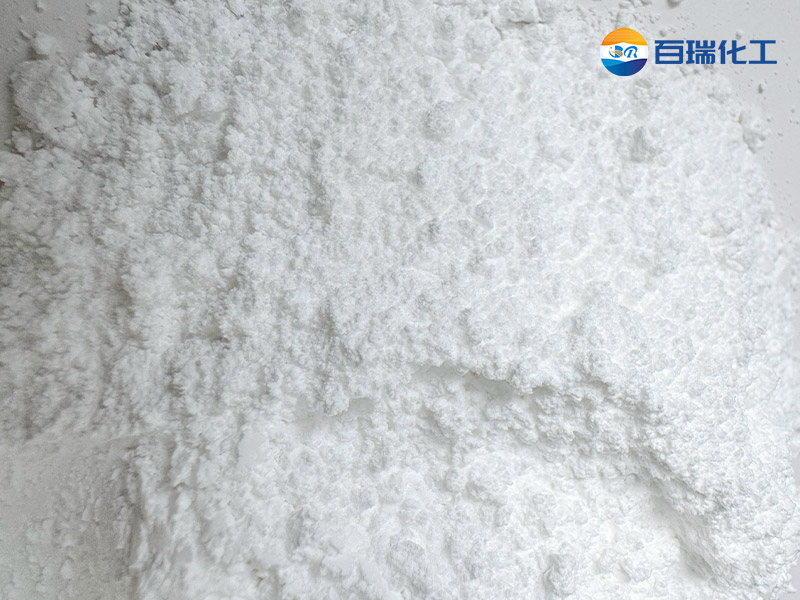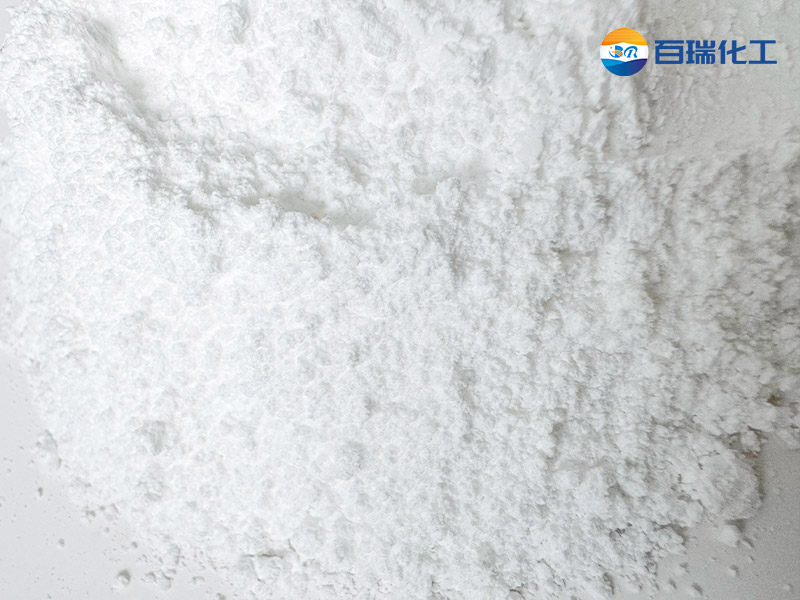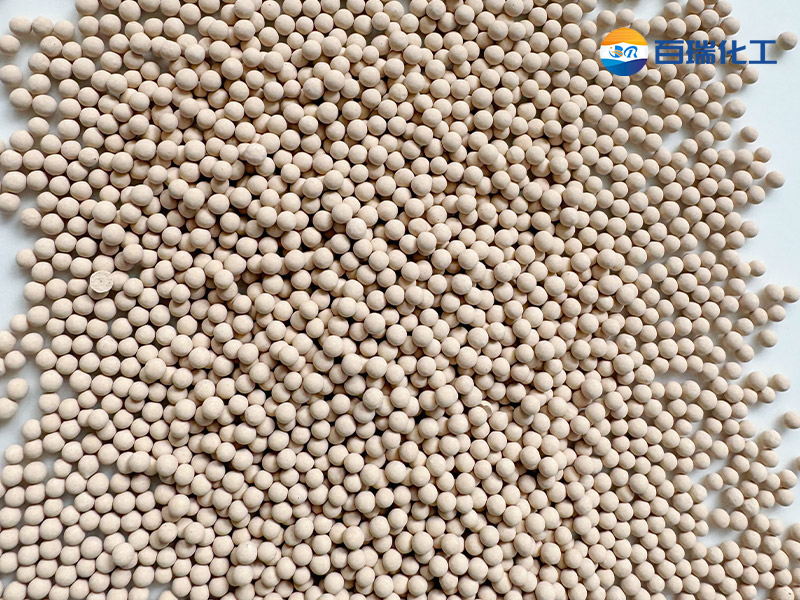


In petrochemical, environmental protection, and fine chemical industries, catalyst performance often determines reaction efficiency and product quality. Within the catalyst system, the support material plays a crucial role. In recent years, activated alumina powder, with its stable structure and excellent adsorption properties, has gradually become one of the mainstream catalyst support materials, demonstrating outstanding application value in various industrial scenarios.
The widespread application of activated alumina powder as a catalyst support is primarily due to its well-developed pore structure and high specific surface area. This microstructure provides ample dispersion space for active components, allowing metals or metal oxides to be uniformly loaded onto the material surface, thereby significantly improving the contact efficiency of the catalytic reaction. In practical applications, this structural advantage not only helps to increase the reaction rate but also enhances the overall activity of the catalyst.
In industrial operating environments, catalysts typically need to withstand high temperatures and complex reaction conditions, placing higher demands on the stability of the support material. Activated alumina powder exhibits good thermal stability, maintaining its pore structure without significant collapse even at high temperatures, thus ensuring the stability of the catalyst during long-term operation. This characteristic makes it particularly suitable for high-temperature reaction processes such as hydrogenation, cracking, and desulfurization.
Typical Application Areas
Activated alumina powder, as a catalyst support, is widely used in the following industries:
·Petroleum hydrorefining
·Hydrocracking
·Desulfurization and denitrification reactions
·Automotive exhaust treatment catalysts
·VOCs treatment catalytic systems
Why is choosing high-quality activated alumina powder crucial?
In practical applications, activated alumina powders of different qualities exhibit significant performance differences. High-quality products typically possess:
·Higher specific surface area and pore volume
·More stable pore structure
·Lower impurity content
·More consistent particle size distribution
FAQ
Q1: Is activated alumina powder suitable as a catalyst support for all catalysts?
A: It is suitable for most catalytic systems, especially hydrogenation and desulfurization reactions, but the appropriate model needs to be selected based on the reaction conditions.
Q2: Is a higher specific surface area always better?
A: Not necessarily. It needs to be selected by considering both pore size distribution and the size of the reactant molecules.
Q3: Do you support customization?
A: Yes, we can adjust the pore structure and performance parameters according to your process requirements.
If you have any questions or needs regarding activated alumina powder, please contact Zibo Xiangrun Environmental Engineering Co., Ltd. – a professional alumina manufacturer.