

Why do chlorine impurities become a problem in industrial systems?
1. Corrosion of Equipment: Chlorine and its related compounds are generally highly corrosive, especially under certain temperature, humidity, or pressure conditions, making them more likely to damage pipes, valves, reactors, heat exchangers, and storage devices. Long-term presence of chlorine impurities shortens equipment lifespan, increases maintenance frequency and downtime risks, thereby increasing the overall operating costs of enterprises.
2. Impact on Catalyst and Adsorbent Performance: In many chemical and environmental processes, catalysts and adsorbents are core materials, and chlorine impurities often "poison" or deactivate these materials. Once the catalyst surface is contaminated with chlorine, its active sites may be destroyed, leading to decreased reaction efficiency and even affecting the stability of the entire production process.
3. Reduced Product Purity: For some industrial products with high purity requirements, such as high-purity gases, fine chemical intermediates, electronic chemicals, and some food and pharmaceutical raw materials, chlorine impurities directly affect the quality of the final product. Dechlorination treatment not only helps improve product purity but also helps meet stricter quality control standards and downstream customer requirements.
4. Increased Safety Hazards: Certain chlorine-containing media can be irritating, corrosive, or even potentially hazardous under specific conditions. If not removed promptly, they may affect the safety of the operating environment and introduce uncertain risks to subsequent processes. Adding highly efficient dechlorinating agents at the upstream or intermediate stages can help companies better control impurity risks and improve production safety levels.
Why is dechlorination so crucial in industrial gas and liquid treatment?
First, dechlorination protects critical equipment and process units. Many companies experience equipment malfunctions, pressure drop fluctuations, and decreased catalytic efficiency, often due to inadequate control of impurities in raw materials. While chlorine impurities may sometimes be present in low concentrations, their destructive potential is significant, necessitating targeted treatment with specialized dechlorination adsorbents.
Second, dechlorination helps ensure continuous production. Industrial users are not only concerned with the price of materials but also with stable operation, reduced replacement frequency, and minimized downtime losses. High-performance activated alumina dechlorinators maintain excellent dechlorination performance over extended periods, helping companies achieve more stable operations.
Third, dechlorination is also essential for enhancing market competitiveness. As downstream markets increasingly demand higher product purity, environmental standards, and system reliability, investment in raw material purification and process control becomes increasingly critical. Choosing the right dechlorination solution effectively improves overall production quality and delivery capabilities.
Why is activated alumina dechlorinating agent receiving widespread attention?
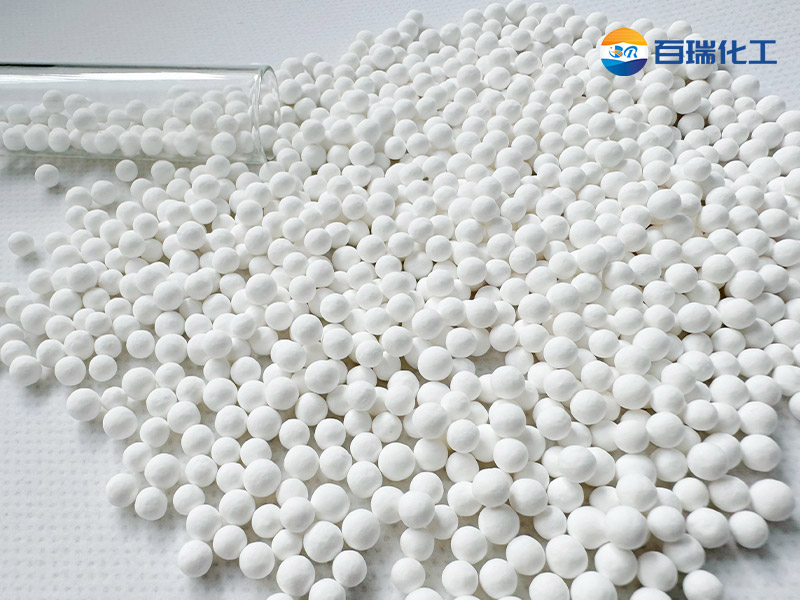
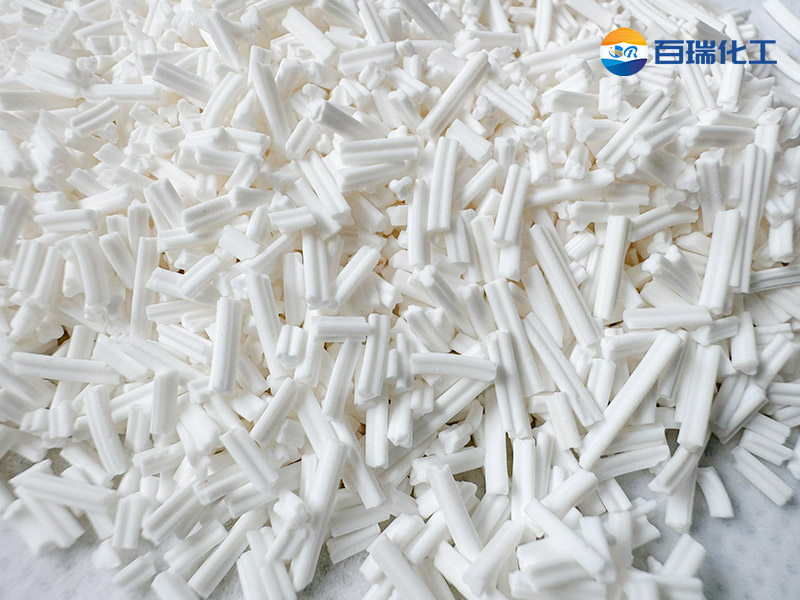
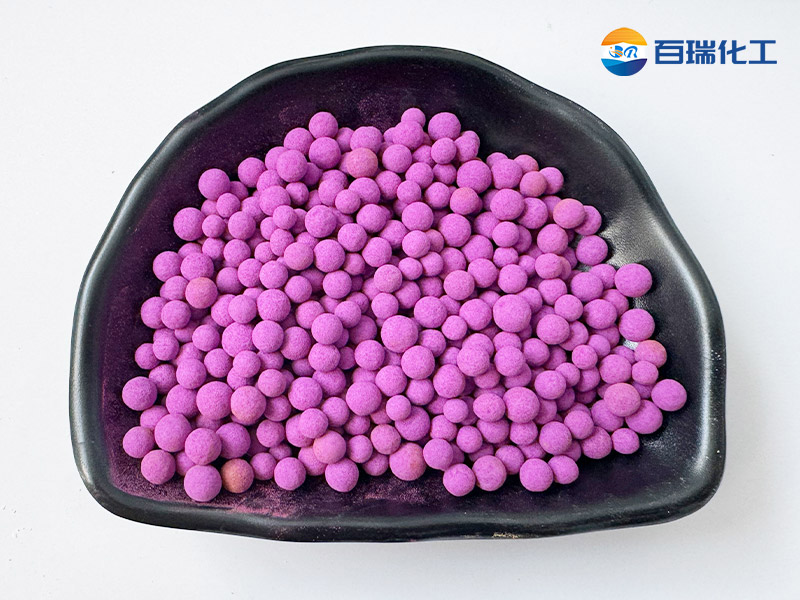
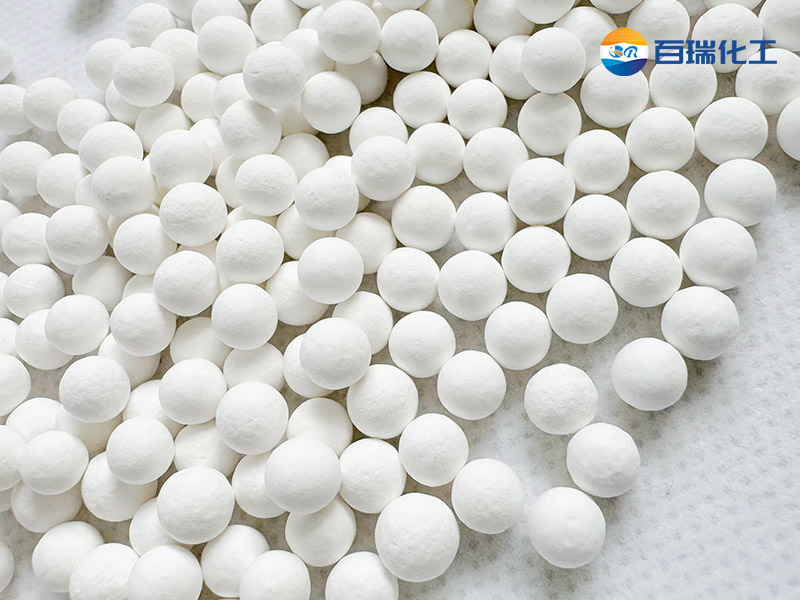
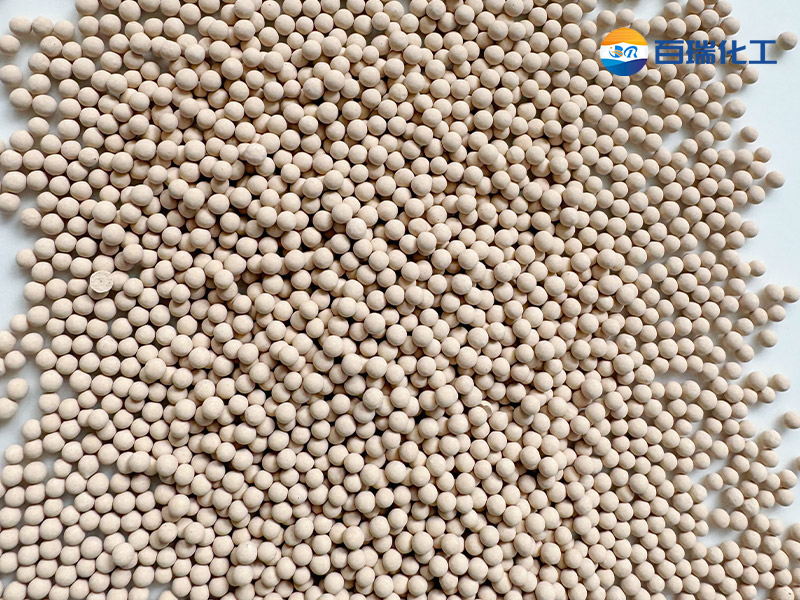
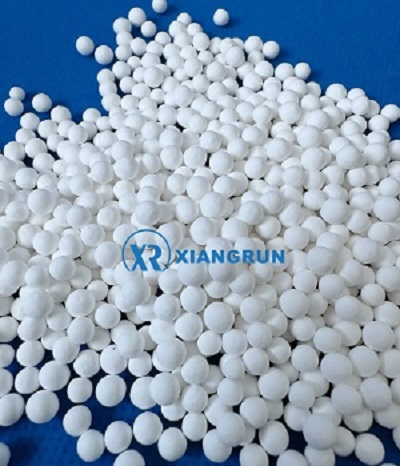
Among various dechlorination materials, activated alumina dechlorinating agent is widely welcomed due to its structural characteristics and application adaptability. It typically possesses a large specific surface area and abundant pore structure, effectively adsorbing chlorine impurities in gases or liquids. Simultaneously, activated alumina also exhibits good mechanical strength and thermal stability, making it suitable for use under various industrial conditions.
Compared to some ordinary dechlorination materials, activated alumina products generally have the following advantages:
* Better adsorption capacity, effectively reducing chlorine impurity content
* High mechanical strength, less prone to pulverization, suitable for continuous operation systems
* Stronger chemical stability, suitable for various gas and liquid purification scenarios
* Customizable model and particle size selection according to different operating conditions, improving matching accuracy
* Extends the service life of downstream catalysts, adsorbents, and equipment
* For industrial users requiring long-term stable dechlorination, choosing high-quality activated alumina dechlorinating agent further ensures system stability and production efficiency. If you have any questions or needs regarding activated alumina dechlorinating agents, please contact Zibo Xiangrun Environmental Engineering Co., Ltd.—a professional alumina manufacturer.
2026-09-21
2026-09-20
2026-09-18