

As industrial systems increasingly demand stability, efficiency, and lower long-term operating costs, traditional adsorption materials and packings are gradually revealing problems such as short lifespan, unstable pressure drop, and insufficient regeneration performance. Against this backdrop, activated alumina microspheres are being adopted by a growing number of industrial users and are gradually becoming the mainstream choice in gas drying, liquid-phase adsorption, and catalysis-related systems.
So, what are the reasons driving the rapid adoption of activated alumina microspheres in the industrial field?
I. Industrial System Upgrades Place Higher Demands on Adsorption Materials
In systems such as air separation equipment, industrial gas drying, chemical refining, water treatment, and catalyst supports, adsorption materials not only perform functional tasks but also directly affect the operational stability and maintenance costs of the entire system.
Common problems with traditional blocky or irregular particulate materials include: Uneven bed structure after loading, leading to channeling; High pulverization rate during use, causing increased pressure drop; Significant performance degradation after regeneration, resulting in frequent replacements.
In contrast, the structural and performance advantages of activated alumina microspheres perfectly align with the modern industrial system's development trend of "long cycle time, low maintenance, and high reliability."
II. Regular Spherical Structure Significantly Enhances System Stability
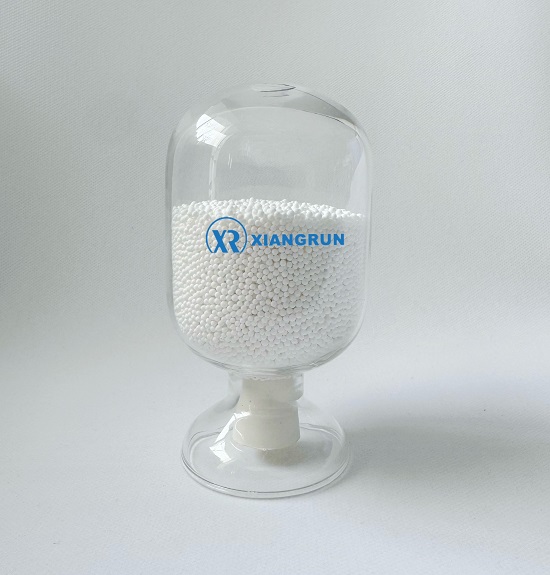
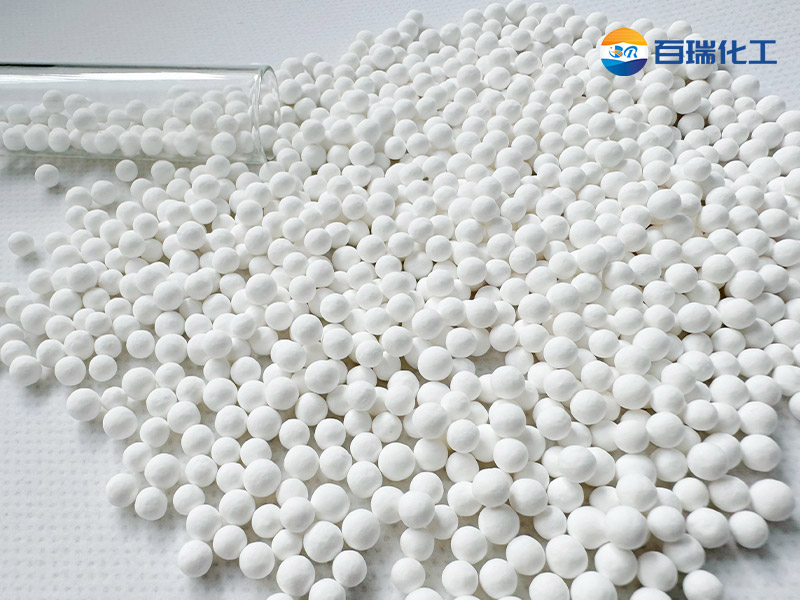
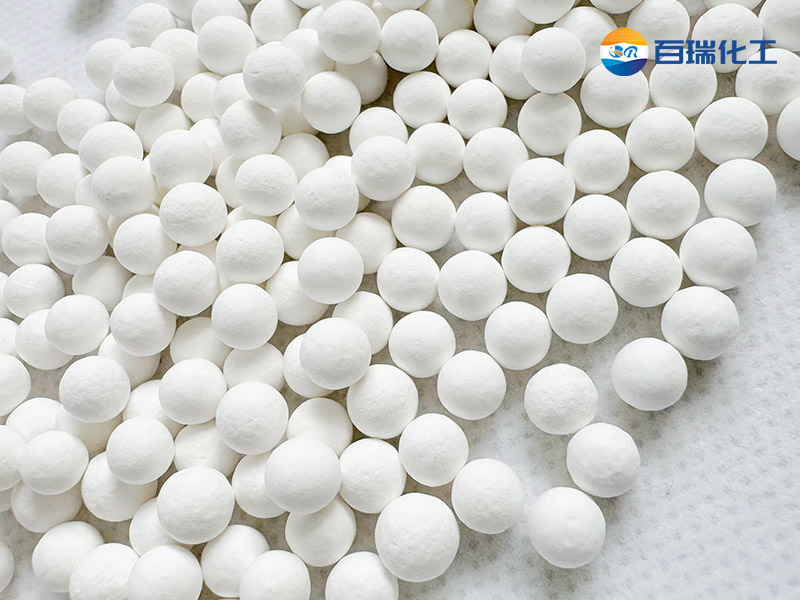
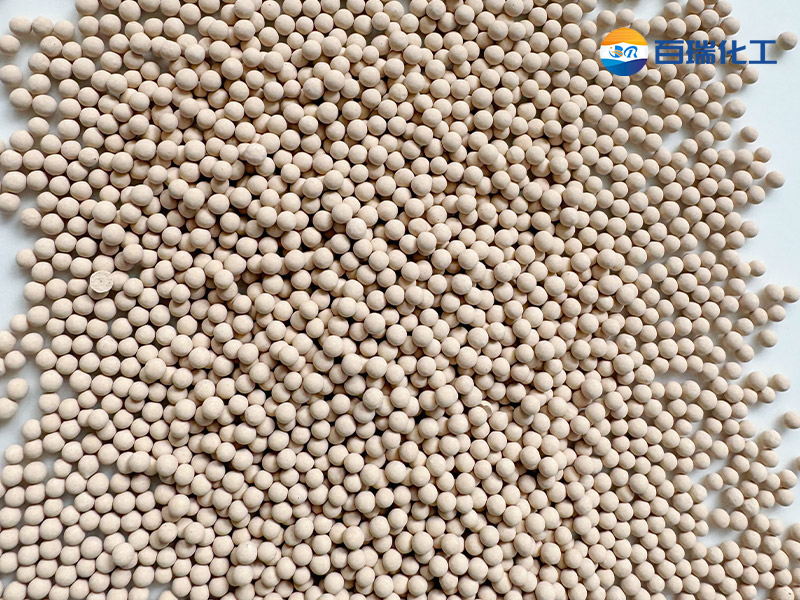
The activated alumina microspheres employ a highly regular spherical structure with a concentrated particle size distribution.
This characteristic brings several advantages in actual operation: More uniform bed packing and stable gas or liquid distribution; More controllable pressure drop, suitable for energy-sensitive continuous operation systems; Less prone to dead zones or channeling, resulting in more stable adsorption efficiency. For air separation units, pressure swing adsorption systems, and large drying towers, a stable bed structure means lower operational risks and more predictable operating performance.
III. High Specific Surface Area and Well-Developed Pore Structure, Balancing Capacity and Efficiency
High-quality activated alumina microspheres typically possess:
High specific surface area
A rationally distributed mesopore/macropore structure
This ensures that when adsorbing moisture, acidic gases, trace impurities, or serving as a functional carrier, they can maintain both sufficient adsorption capacity and a good mass transfer rate.
IV. High Mechanical Strength, Suitable for Long-Term Industrial Operation
Compared to ordinary adsorbents, activated alumina microspheres have higher requirements for sintering strength and wear resistance during the production process, making them superior in the following aspects: High compressive strength, not easily broken; Good wear resistance, low dust generation; Stable structure after multiple regenerations.
For industrial systems that require frequent switching of operating conditions or long-term continuous operation, the mechanical stability of the material directly determines the maintenance frequency and overall operating cost.
If you are looking for a more stable activated alumina microsphere solution for a specific application scenario, please contact us. Zibo Xiangrun Environmental Engineering Co., Ltd. – a professional alumina manufacturer.