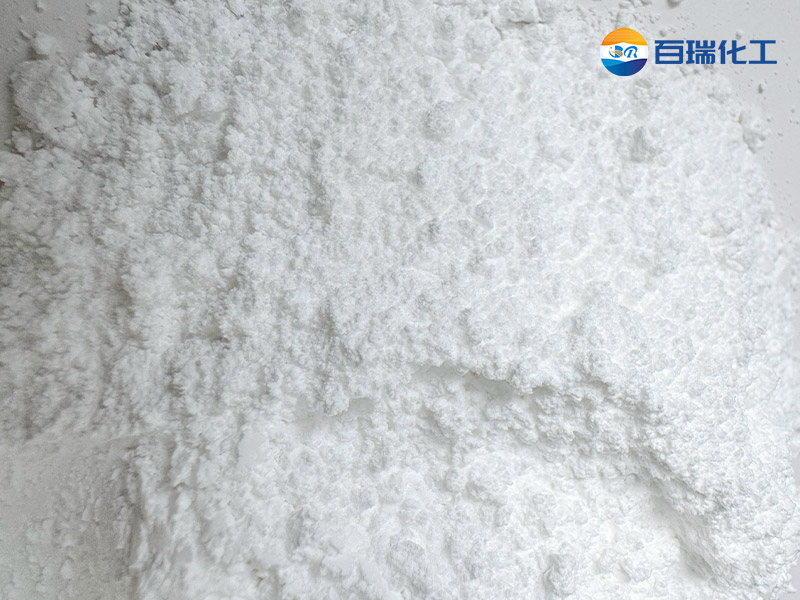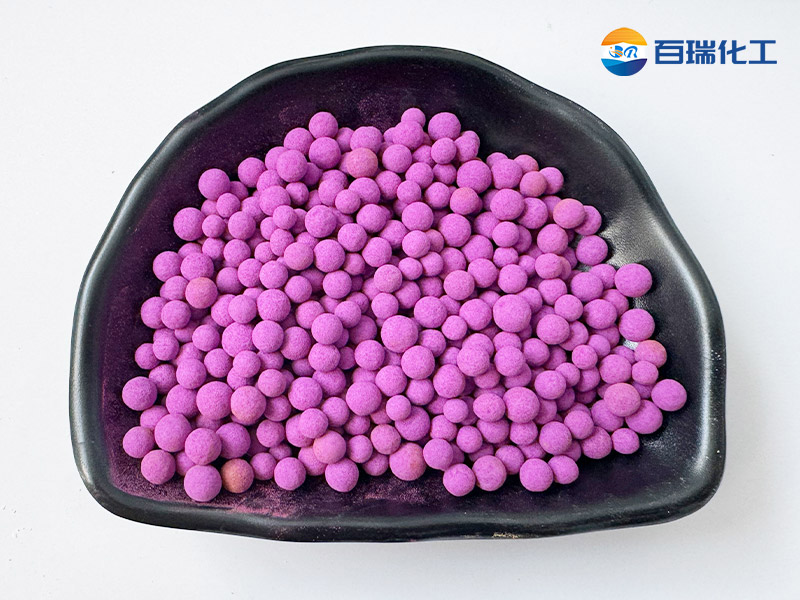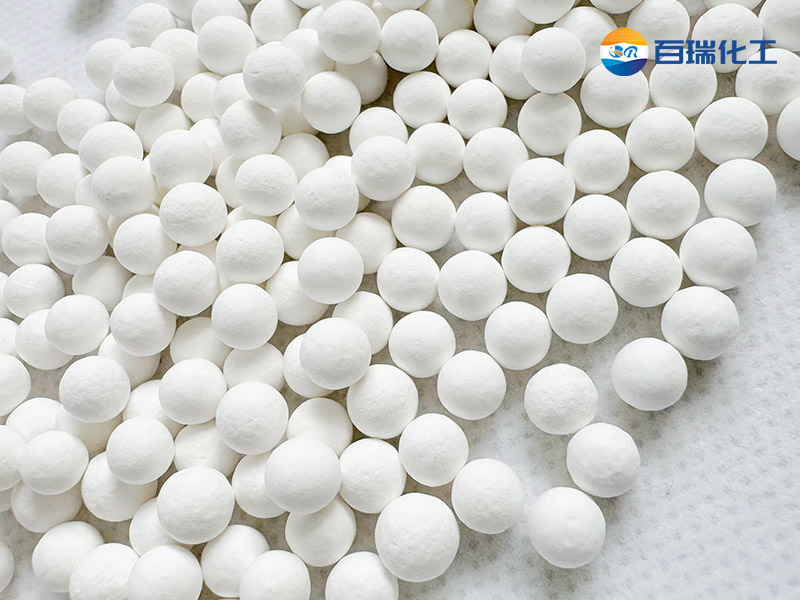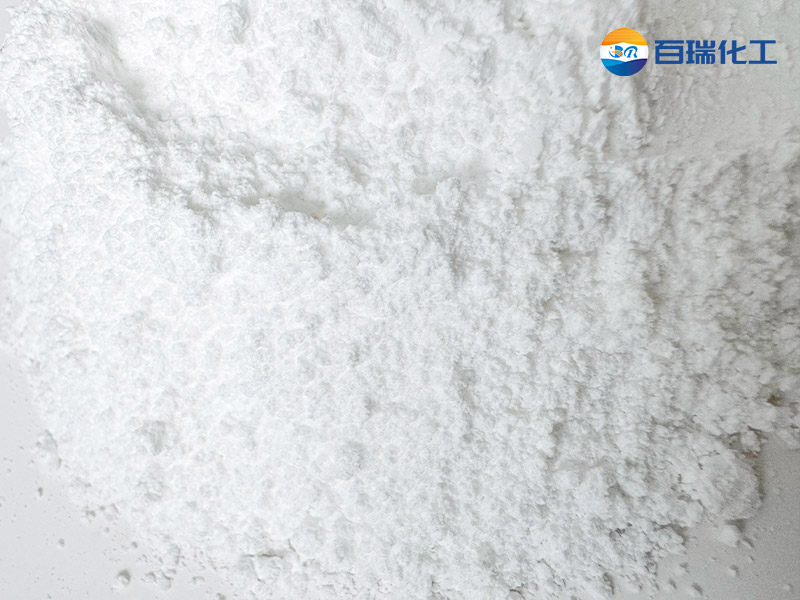


Chlorides are a common but highly destructive impurity in industrial processes such as natural gas purification, oil refining, and hydrogen production. They not only corrode equipment but also cause catalyst poisoning, reduced system efficiency, and even safety hazards. Among numerous adsorption materials, activated alumina dechlorination agents are becoming the preferred solution for customers worldwide.
I. Superior Adsorption Capacity: Highly Efficient Chloride Removal
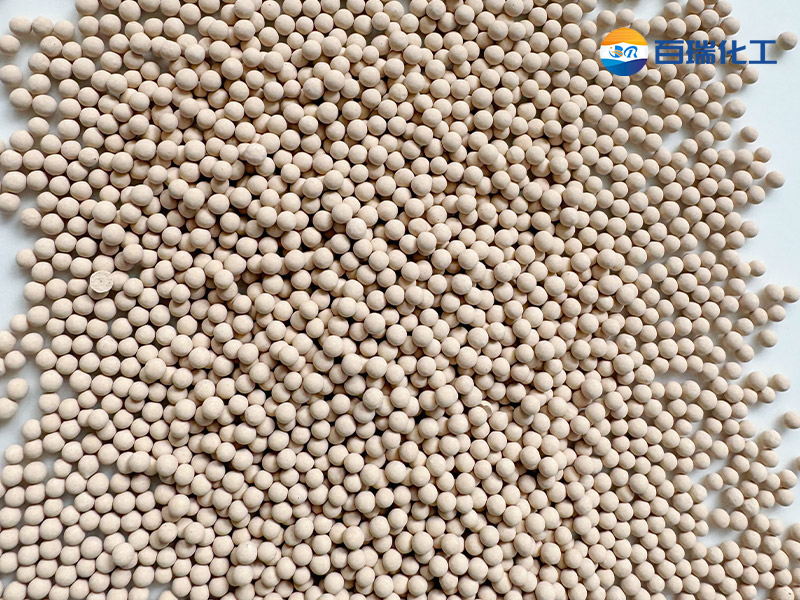
Activated alumina possesses an extremely high specific surface area and abundant pore structure, enabling it to effectively adsorb chlorides (such as HCl and Cl₂) from gases or liquids. Its surface contains numerous active hydroxyl groups (–OH), which can chemically react with chlorides to achieve stable removal.
Compared to traditional adsorption materials, activated alumina outperforms in the following aspects:
· Higher chloride adsorption capacity
· Faster adsorption rate
· More stable removal efficiency
II. Excellent Mechanical Strength: Adaptable to Harsh Industrial Environments
· High Compressive Strength
· Low Wear Rate
· Strong Anti-Pulverization Performance
Even in high-pressure gas systems (such as PSA units or natural gas processing systems), it maintains structural stability and is not easily broken or clogged, thereby reducing operational risks and maintenance costs.
III. Excellent Thermal and Chemical Stability
Activated alumina can operate stably over a wide temperature range, making it suitable for various complex operating conditions, such as:
· High-temperature gas purification
· Humid environments
· Mixed gases containing various impurities
Furthermore, its chemical stability prevents it from undergoing side reactions with other media, which is crucial for ensuring long-term stable system operation.
IV. High Renewability: Reduced Operating Costs
High-quality activated alumina dechlorinating agents support regeneration and can restore their adsorption capacity through heating or gas purging. This characteristic brings significant advantages:
· Extended service life
· Reduced replacement frequency
· Reduced operating costs
This is especially critical for industrial plants operating for extended periods.
V. Wide Range of Application Scenarios
Activated alumina dechlorinating agents are widely used in multiple fields, including but not limited to:
Natural gas dechlorination and purification
Oil refining and petrochemical plant protection
Hydrogen and syngas purification
PSA gas separation systems
Chemical tail gas treatment
Its stable and reliable performance makes it one of the core materials in various industrial gas purification systems.
Zibo Xiangrun Environmental Engineering Co., Ltd.'s activated alumina dechlorination solutions are based on high specific surface area and optimized pore structure. By improving the adsorption and reaction efficiency of chlorides (such as HCl, Cl₂, etc.), it achieves stable and efficient dechlorination. The product also possesses excellent mechanical strength and wear resistance, allowing for long-term operation under high pressure and complex conditions without pulverization or failure. Combined with good thermal stability and regenerability, it not only extends the service life but also significantly reduces operating and replacement costs. Customized specifications and technical support can be provided according to different gas compositions and process requirements, helping customers achieve safer and more efficient gas purification and system protection in applications such as natural gas purification, refining, and hydrogen treatment.
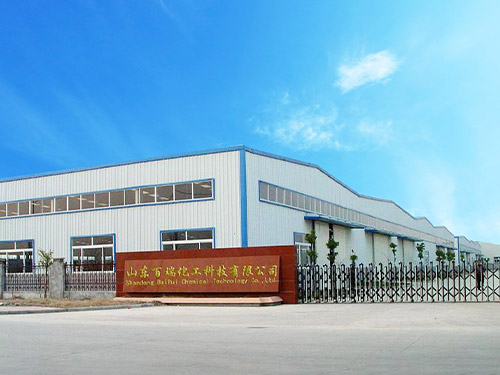
If you have any questions or needs regarding activated alumina dechlorination agents, please feel free to contact Zibo Xiangrun Environmental Engineering Co., Ltd. – a professional alumina manufacturer.