

I. Core Functions of Inert Support Spheres
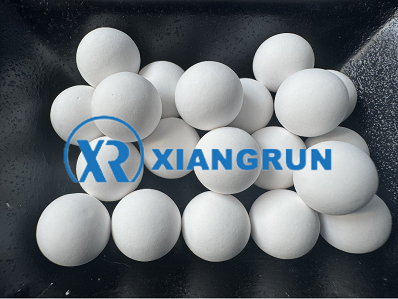
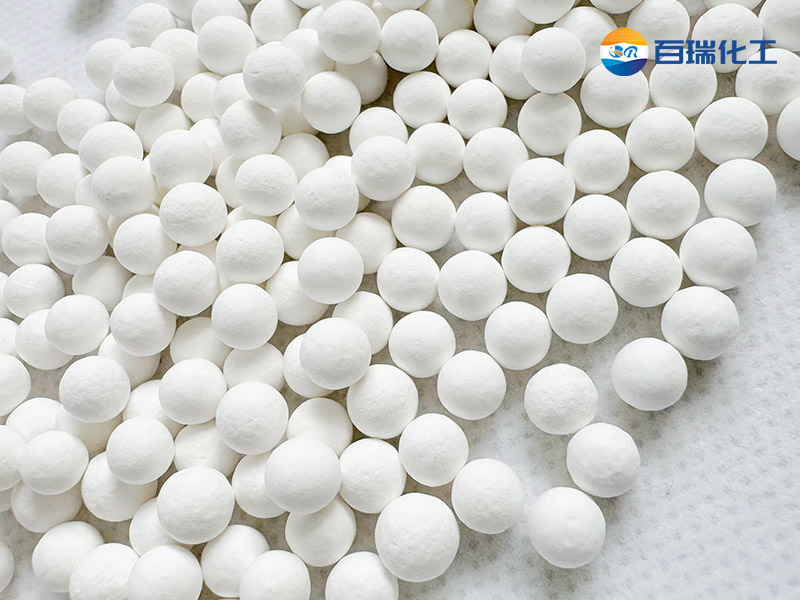
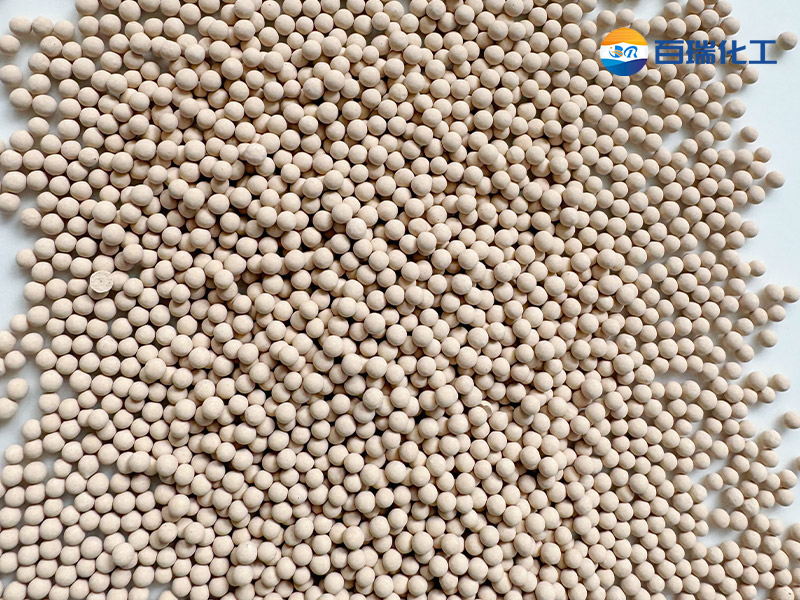
Inert support spheres are mainly used at the bottom of fixed-bed reactors or below the catalyst bed. Their core functions include:
· Supporting the catalyst bed: preventing catalyst particles from collapsing or leaking.
· Optimizing gas and liquid distribution: improving the uniformity of the reaction medium.
· Protecting the internal structure of the reactor: avoiding impact and wear.
· Enhancing overall operational stability: reducing pressure drop fluctuations. These functions are particularly critical in high-temperature, high-pressure, and corrosive environments.
II. Why are inert support balls indispensable in modern petrochemical reactors?
Improved Catalyst Utilization: Inert ceramic balls, through reasonable particle size distribution and layered arrangement, can effectively improve fluid distribution, avoid the "channeling effect," and thus ensure full utilization of the catalyst, improving reaction efficiency.
Reduced Equipment Operation Risk: Without high-strength support balls, the catalyst may shift or break, leading to reactor blockage or even shutdown. Inert support balls provide a stable foundation, significantly reducing operational risks.
Optimized Pressure Drop Performance: Properly configured inert support balls can form good fluid channels, reducing system pressure drop and improving overall energy efficiency, which is especially important for continuous production units.
Adaptability to Extreme Conditions: High-quality, high-alumina inert support balls possess:
· Excellent compressive strength
· Good high-temperature resistance
· Excellent thermal shock resistance and corrosion resistance
Enabling long-term stable operation under harsh conditions.
III. Significance of Selecting Different Alumina Contents
Inert support balls are typically classified into grades based on alumina content: 17%, 30%, 45%, 92%, 95%, and above. Different contents are suitable for different operating conditions:
· Low content: Suitable for general packing supports
· Medium content: Widely used in petrochemical and gas processing plants
· High content: Suitable for high temperature, high pressure, and highly corrosive environments Appropriate selection not only affects service life but also directly relates to reaction efficiency and maintenance costs.
IV. Typical Applications of Inert Support Balls in the Petrochemical Industry
· Petroleum refining units (hydrogenation, reforming, etc.)
· Sulfuric acid and fertilizer production
· Natural gas purification and drying systems
· Chemical catalytic reactors
· Environmental gas treatment systems In these applications, inert ceramic balls are not only "support materials" but also key components ensuring the long-term stable operation of the systems.
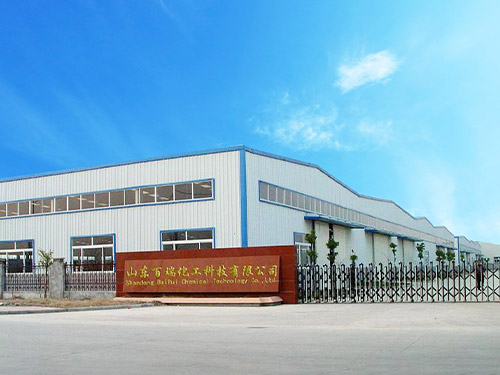
As a professional alumina material manufacturer, Zibo Xiangrun Environmental Engineering Co., Ltd. possesses extensive production experience and a mature process system in the field of inert support balls. The company utilizes high-quality alumina raw materials and advanced molding technology to ensure that its products possess high compressive strength, low water absorption, and excellent high-temperature resistance, enabling long-term stable operation in harsh conditions such as petrochemical, chemical, and gas processing. To meet diverse customer needs, Zibo Xiangrun also offers customized solutions with various alumina contents (17%-99%) and specifications (0.5-95mm), providing reliable support solutions for various fixed-bed reactors.
If you have any questions or needs regarding alumina ceramic balls, please contact Zibo Xiangrun Environmental Engineering Co., Ltd. – a professional alumina manufacturer.