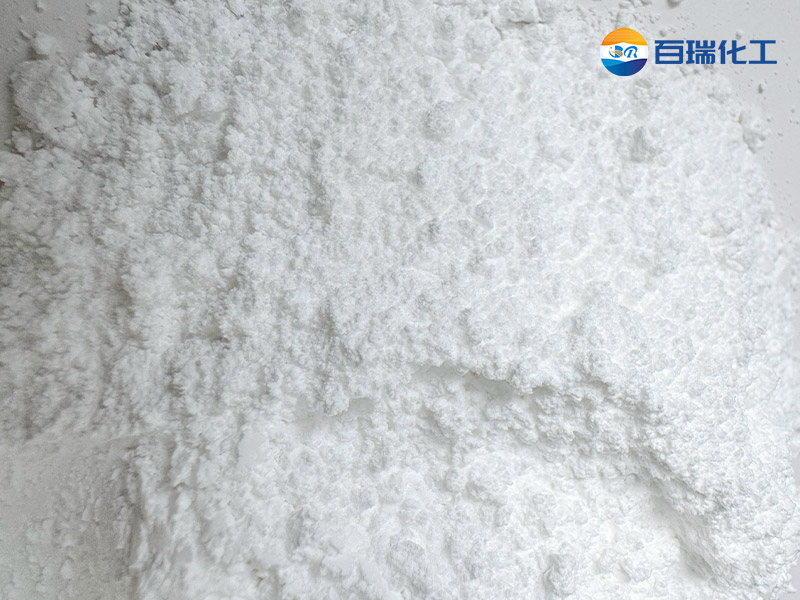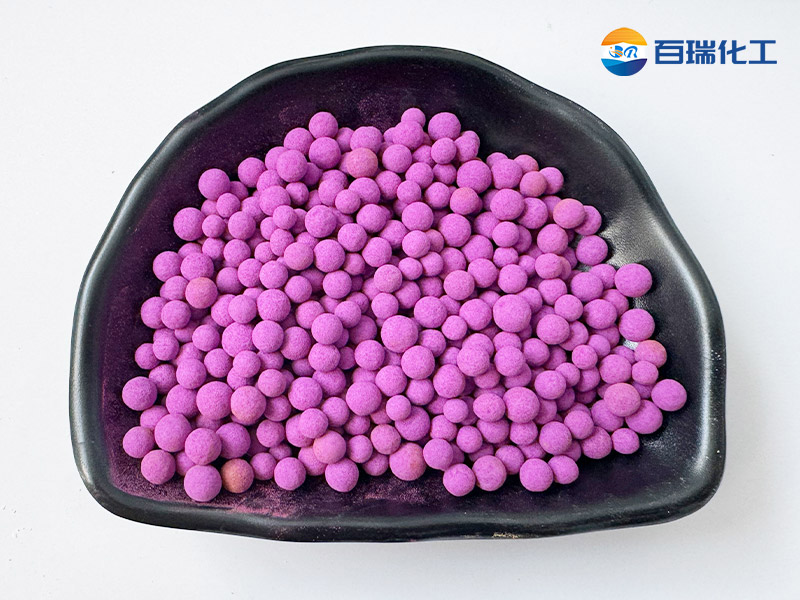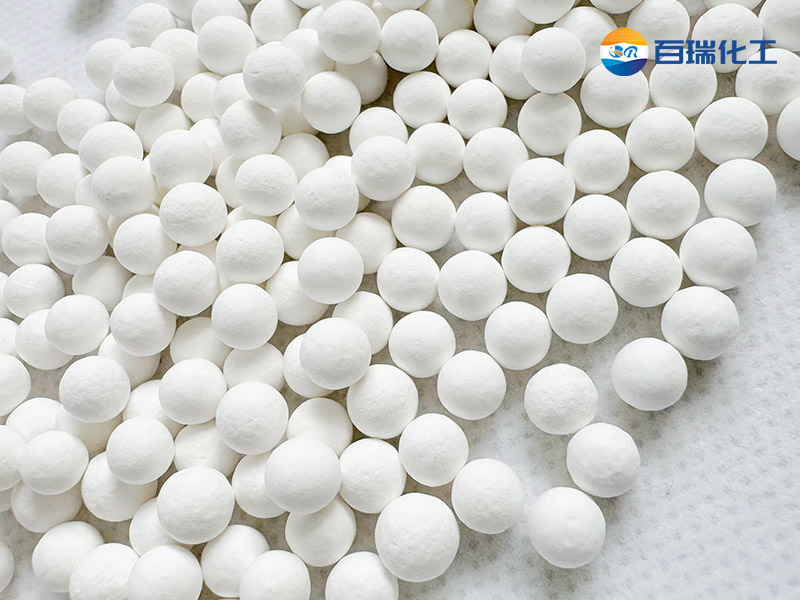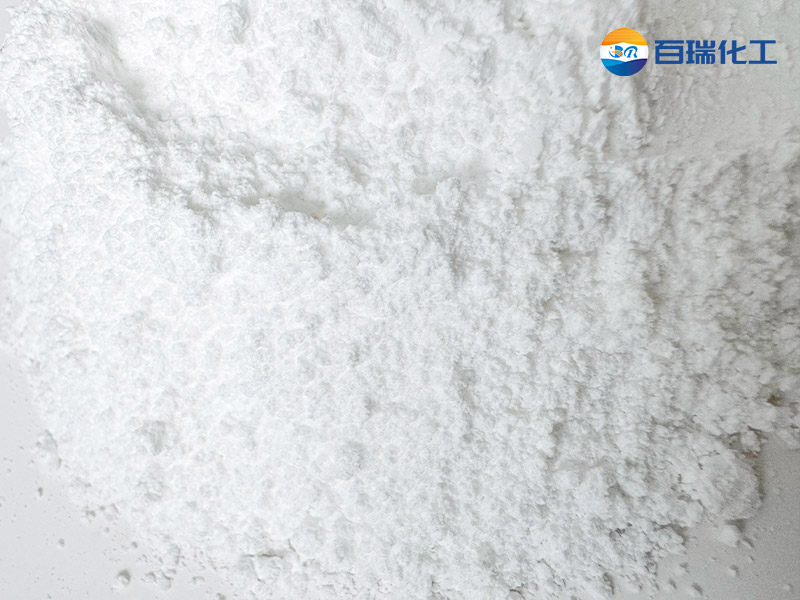


In the fields of industrial waste gas treatment and air purification, H₂S (hydrogen sulfide) and VOCs (volatile organic compounds) rank among the most common and challenging pollutants to treat. While traditional adsorption materials often suffer from issues such as low removal efficiency and short service life, potassium permanganate-impregnated activated alumina has emerged as a core material in modern gas purification systems, distinguished by its dual "adsorption + oxidation" mechanism.
I. Working Principle of Potassium Permanganate Activated Alumina
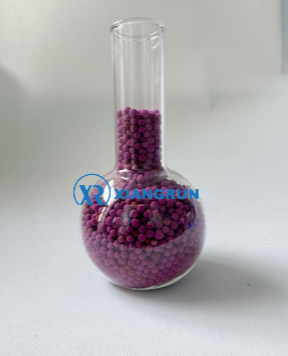
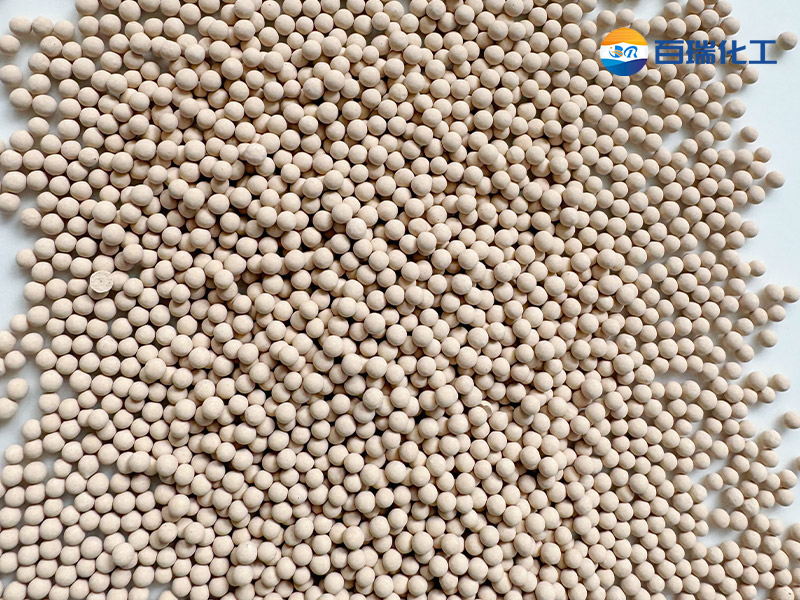
Potassium permanganate-impregnated activated alumina is a highly efficient adsorption and oxidation material in which KMnO₄ is supported on a porous alumina carrier. Its core working principles include:
• Physical Adsorption: The activated alumina possesses a high specific surface area and an abundant pore structure, enabling it to rapidly capture gas molecules.
• Chemical Oxidation: Acting as a strong oxidizing agent, KMnO₄ converts harmful gases into harmless or stable substances.
• Synergistic Effect: Adsorption and oxidation occur simultaneously, thereby significantly enhancing purification efficiency.
II. Highly Efficient Mechanism for H₂S Removal
Hydrogen sulfide (H₂S) is a highly corrosive and malodorous substance, constituting a major pollutant in the refining, wastewater treatment, and natural gas industries.
Reaction Mechanism:
KMnO₄ oxidizes H₂S into elemental sulfur or sulfates:
H₂S → S (Elemental Sulfur)
H₂S → SO₄²⁻ (Sulfate)
Key Advantages:
High removal efficiency (exceeding 99%)
Requires no secondary pollution treatment
Suitable for the treatment of low-concentration and intermittent gas streams
III. Application Advantages for VOC Removal
VOCs are widely prevalent in industries such as chemicals, surface coating, and pharmaceuticals, posing severe risks to both the environment and human health.
Removal Mechanism:
• Adsorption: Captures organic molecules such as benzene, formaldehyde, and alcohols.
• Oxidation: Decomposes these substances into CO₂ and H₂O.
Applicable Scenarios:
• Industrial waste gas treatment systems
• Air purification equipment
• Odor removal systems for enclosed spaces
Technical Advantages:
• Broad-spectrum removal capability (effective against a wide range of VOCs)
• High stability, suitable for continuous operation
• Can serve as a substitute for certain activated carbon systems
IV. How to Achieve Optimal Performance?
To maximize the performance of potassium permanganate-impregnated activated alumina, the following points are recommended:
1. Design Appropriate Process Conditions
· Control gas humidity (moderate humidity facilitates the reaction)
· Maintain a stable gas flow rate
· Avoid sudden surges of high-concentration gas
2. Select the Appropriate Product Specifications
· KMnO₄ loading level
· Spherical strength and specific surface area
3. Perform Regular Replacement and Maintenance
· Determine the replacement schedule based on pressure drop and outlet concentration
· Avoid continued use after saturation, as this compromises system efficiency
V. Why Choose Potassium Permanganate-Impregnated Activated Alumina?
Compared to traditional adsorption materials, this product offers significant advantages:
• Dual functionality (adsorption + oxidation) to enhance removal efficiency
• Excellent treatment capabilities for both H₂S and VOCs
• Extended service life, resulting in reduced operating costs
• Environmentally friendly, generating no secondary pollution
For enterprises seeking highly efficient gas purification solutions, this represents an ideal choice that strikes a perfect balance between performance and cost-effectiveness.
If you have any questions or requirements regarding potassium permanganate-impregnated activated alumina, please feel free to contact Zibo Xiangrun Environmental Engineering Co., Ltd.—a professional manufacturer of alumina products.