

I. Why are membrane coating materials needed?
In lithium-ion batteries, the membrane's function is to isolate the positive and negative electrodes while allowing lithium ions to pass through.
However, traditional polyolefin membranes (PE/PP) have significant problems:
· Poor high-temperature resistance (shrinkage begins around 130℃) → prone to thermal runaway
· Poor wettability → weak electrolyte adsorption capacity
· Insufficient cycle stability → affects battery life
Therefore, the industry has begun to introduce inorganic coating materials, and nano-alumina has emerged as a leading option.
II. Core Advantages of Nano-Alumina
1. Excellent Thermal Stability (Core Safety Advantage)
Nano-alumina has a melting point exceeding 2000℃. As a separator coating:
· Significantly improves separator temperature resistance
· Inhibits separator shrinkage
· Effectively reduces the risk of thermal runaway
This is one of the most crucial reasons it has become a core material.
2. Excellent Electrolyte Wettability
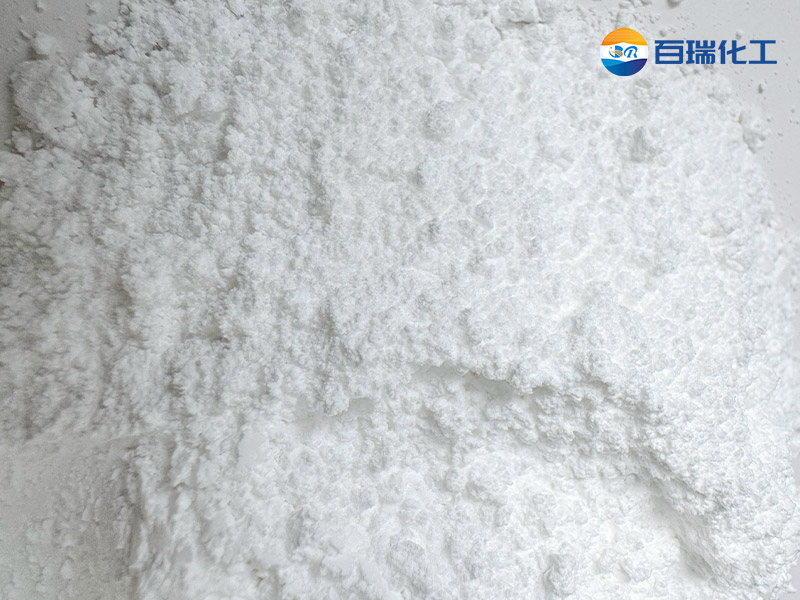
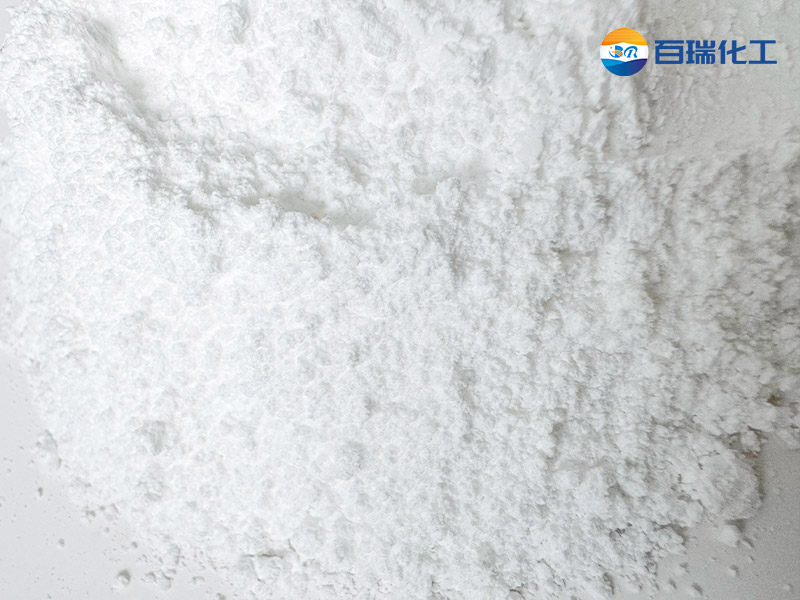
Nano-γ-alumina possesses:
· High specific surface area
· Abundant pore structure
Results:
· Enhanced electrolyte adsorption capacity
· Accelerated ion transport rate
· Improved battery rate performance
3. Enhanced Mechanical Strength and Structural Stability
The coated separator exhibits:
· Higher puncture resistance
· Stronger dimensional stability
Effectively prevents lithium dendrites from puncturing the separator, improving safety
4. Improved Cycle Life
Nano-alumina can:
· Stabilize the electrode/electrolyte interface
· Reduce side reactions
· Reduce capacity decay
Significantly improve battery lifespan
5. Good Chemical Inertness
γ-alumina possesses good chemical stability:
· Does not react with the electrolyte Suitable for various battery systems (power/energy storage/consumer).
Ⅲ. Why "nanoscale" instead of ordinary alumina?
The key difference lies in the fact that "scale determines performance":
Characteristics: Ordinary alumina vs. Nano-γ-alumina
Specific surface area: Low vs. Extremely high
Dispersibility: Moderate vs. Excellent
Coating uniformity: Poor vs. Excellent
Electrochemical performance: Limited vs. Significantly improved
IV. Typical Application Scenarios
· Lithium-ion battery separator ceramic coating (PE/PP base film)
· Power battery (EV)
· Energy storage battery (ESS)
· High-end consumer electronics battery
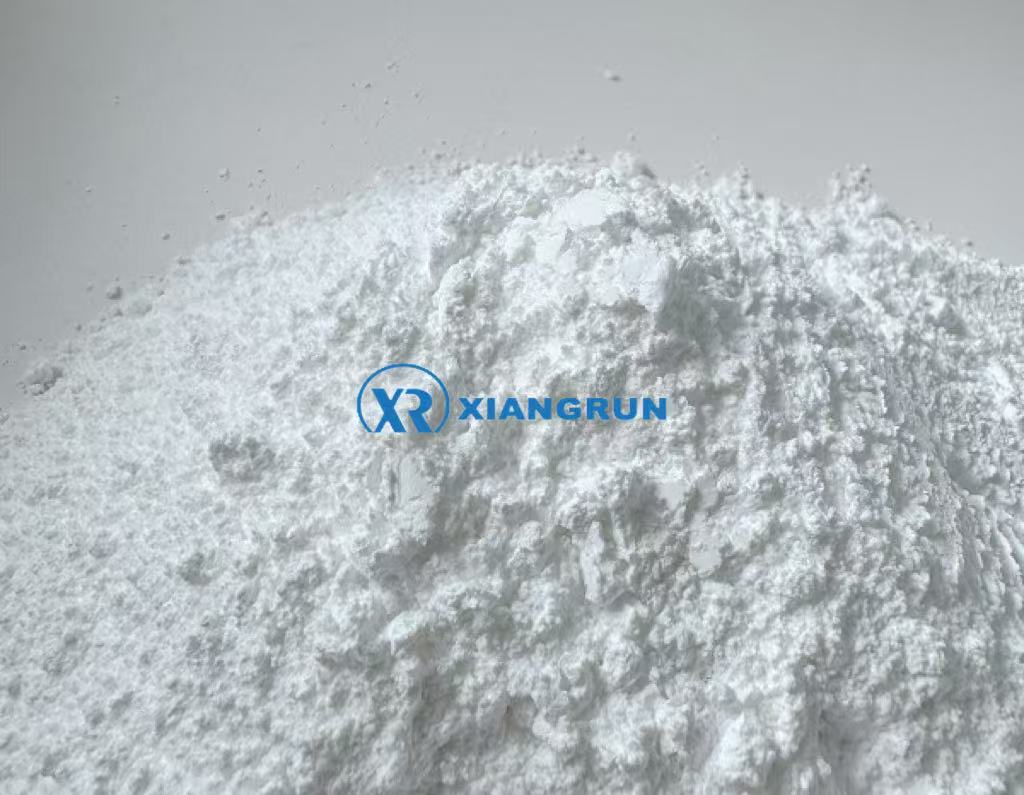
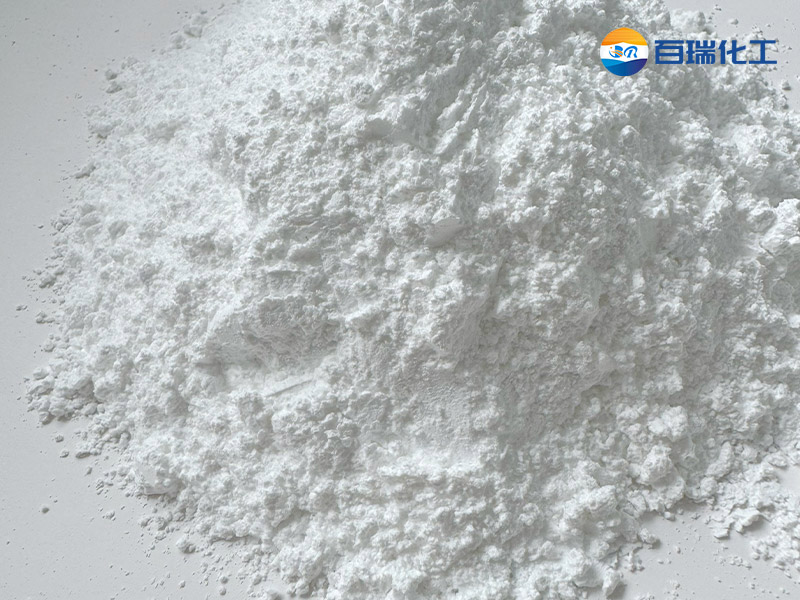
V. Product Advantages of Zibo Xiangrun Nano Meter Gamma Alumina Powder
In practical applications, the performance of nano alumina depends not only on the material itself but also on the production process and quality control. Zibo Xiangrun possesses significant advantages in this field:
✔ High purity and stable crystal form control
Effectively reduces the risk of side reactions and improves battery consistency
✔ Precise particle size distribution (nanoscale controllable)
Avoids agglomeration problems and improves coating uniformity and film quality
✔ Excellent dispersion performance (core competitive advantage)
Prevents particle sedimentation or agglomeration, ensuring coating continuity (directly affecting battery safety)
✔ High specific surface area and optimized pore structure
Improves rate performance and low-temperature performance
✔ Stable supply and export experience
Reduces customer procurement risks and improves supply chain stability
If you have any questions or needs regarding nano-scale gamma alumina powder for batteries, please contact Zibo Xiangrun Environmental Engineering Co., Ltd.—a professional alumina manufacturer.