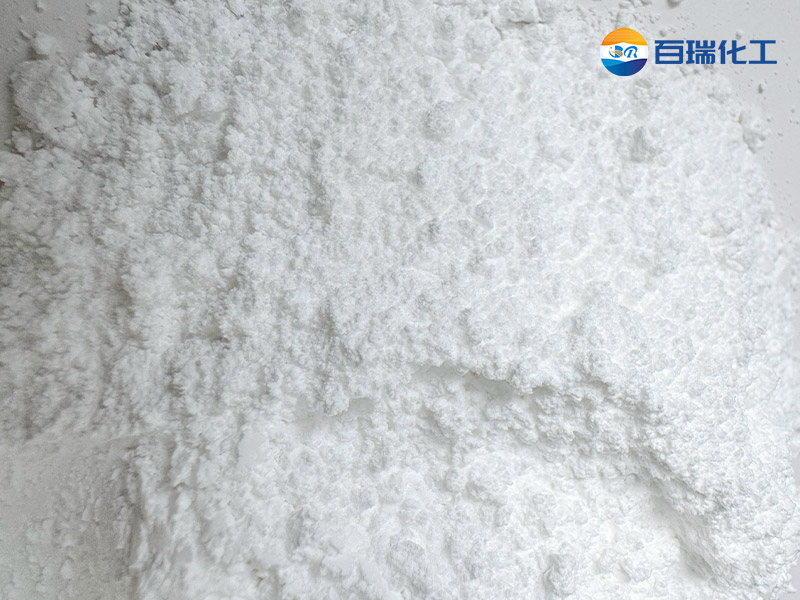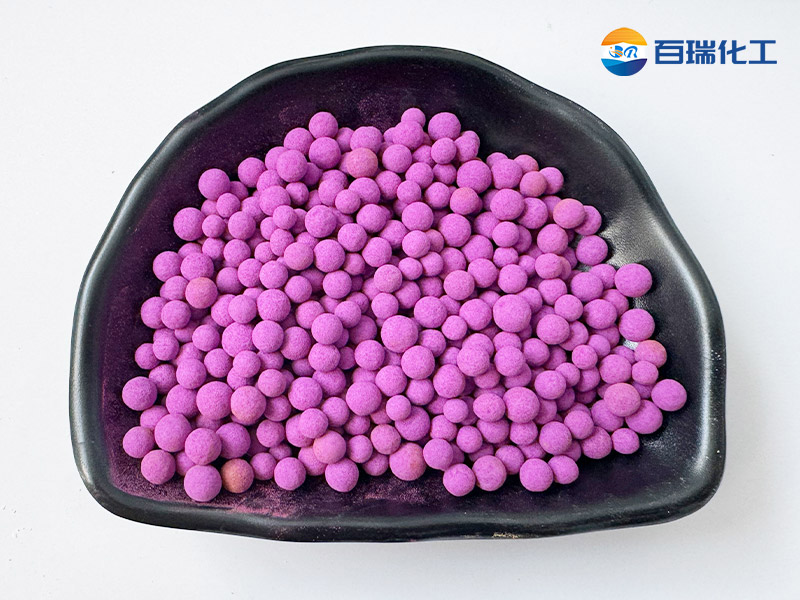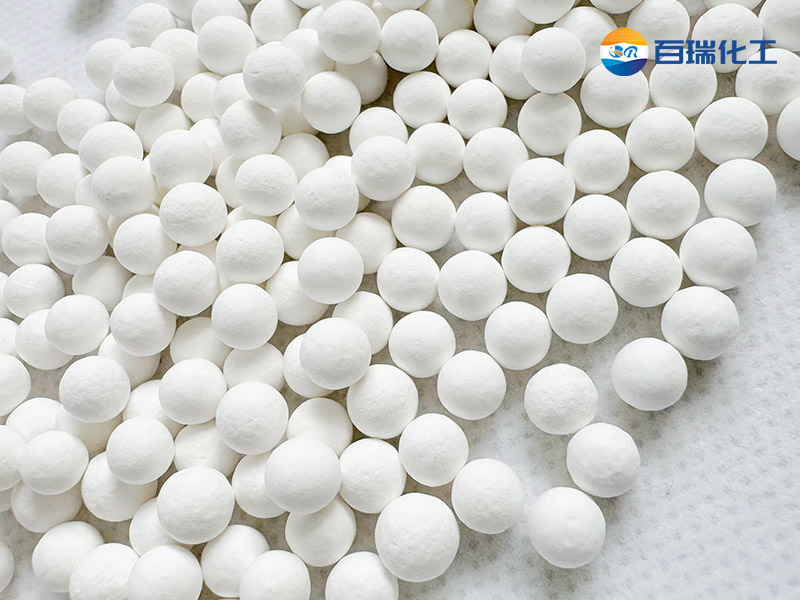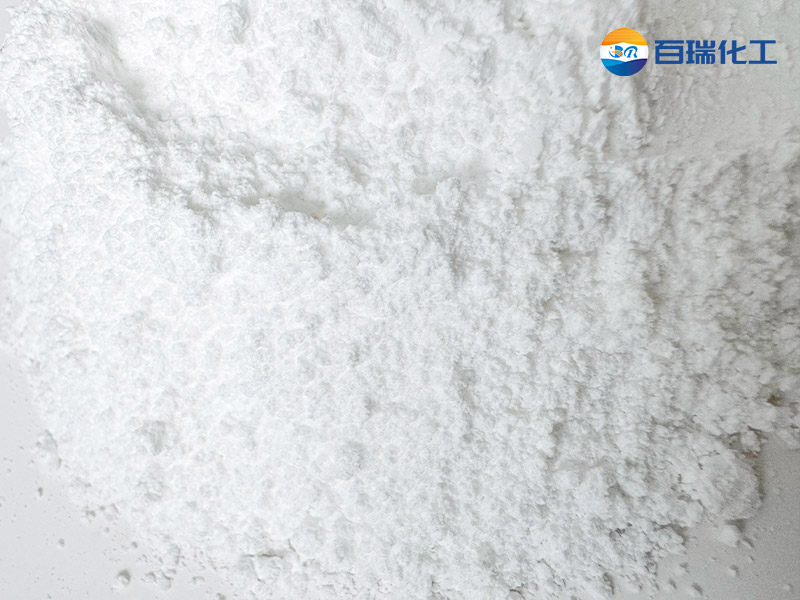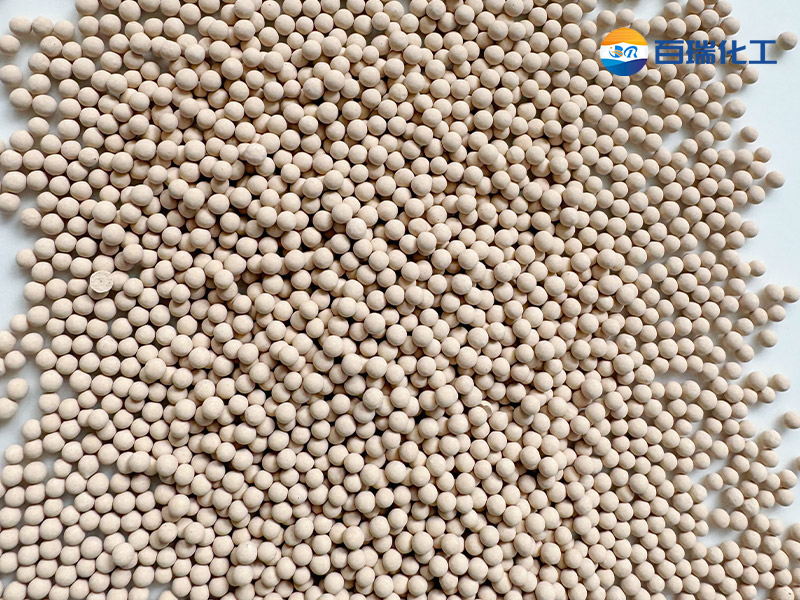


In industrial gas drying and adsorption systems, activated alumina is widely utilized—specifically in compressed air drying, natural gas dehydration, and PSA systems—due to its exceptional adsorption properties and mechanical strength. However, in actual operation, many users encounter two typical issues:
· Severe pulverization (dusting)
· Increased system pressure drop
These issues not only compromise equipment operational efficiency but also directly drive up energy consumption and maintenance costs. So, how exactly do these problems arise, and how can they be effectively resolved?
I. Why do pulverization and increased pressure drop occur?
1. Insufficient Raw Material Strength
· Low compressive strength of activated alumina
· Poor abrasion resistance
Prone to fragmentation and pulverization under prolonged airflow impact
2. Unsuitable Operating Conditions
· Excessive airflow velocity
· Ingress of liquid water or oil mist into the adsorption bed
Leading to particle erosion or structural damage
3. Improper Loading Procedures
· Absence of layered packing
· Failure to use inert ceramic balls for support
Resulting in uneven stress distribution within the bed and localized collapse
4. Extended Service Life
· Adsorbent aging
· Inadequate regeneration
Leading to reduced strength and particle embrittlement
II. Impacts of Powdering and Increased Pressure Drop
· Increased System Pressure Drop → Increased Compressor Load
· Decreased Gas Flow Rate → Impaired Production Efficiency
· Contamination of Downstream Equipment → Dust Ingress into Valves or Pipelines
· Frequent Replacement of Adsorbent → Increased Operation and Maintenance Costs
III. Core Solutions
1. Selection of High-Strength Activated Alumina
Prioritize selection based on:
· High compressive strength
· Low abrasion rate
· Uniform particle size distribution
2. Optimization of System Operating Parameters
· Control airflow velocity (to avoid excessive impact)
· Reduce inlet liquid water and oil content
· Ensure appropriate regeneration temperature and cycle duration
3. Standardization of Packing Structure
Recommended structure:
· Bottom: Inert ceramic balls (support layer)
· Middle: Activated alumina adsorption layer
· Top: Protective layer
4. Regular Inspection and Replacement
· Regularly monitor changes in pressure drop
· Observe for any dust discharge
· Replace the material promptly based on the operating cycle
5. Implementation of a Pre-treatment System
· Install an oil-water separator
· Utilize filters to remove impurities
IV. Zibo Xiangrun Activated Alumina Solutions
To address issues related to powdering and pressure drop, Zibo Xiangrun Environmental Engineering Co., Ltd. offers high-performance activated alumina products featuring the following advantages:
• High mechanical strength, with excellent resistance to compression and abrasion
• Low powdering rate, resulting in an extended service life
• Optimized pore structure, enhancing adsorption efficiency
• Suitable for a wide range of operating conditions, including PSA, gas drying, and air separation
Zibo Xiangrun Environmental Engineering Co., Ltd. can provide customized product models and packing schemes tailored to specific operating conditions. If you have any questions or requirements regarding activated alumina, please feel free to contact Zibo Xiangrun Environmental Engineering Co., Ltd.—a professional manufacturer of alumina products.
FAQ
Q1: How often does activated alumina typically need to be replaced under normal operating conditions?
A: This depends specifically on the operating conditions and regeneration parameters.
Q2: Does an increase in pressure drop necessarily indicate powdering?
A: Not necessarily; it could also be caused by clogging or the ingress of liquid into the system.
Q3: How can the powdering of activated alumina be minimized?
A: By selecting high-strength products, controlling airflow, and enhancing pretreatment measures.