

As operating time increases, the adsorption capacity of activated alumina gradually declines. If not replaced in a timely manner, this not only affects the system's dew point but may also lead to equipment corrosion, pipeline freezing, compromised product quality, and increased energy consumption.
So, how can one accurately determine whether activated alumina desiccant has become ineffective and requires replacement? This article will analyze this issue from various perspectives.
I. Sustained Rise in Outlet Dew Point
The dew point is one of the most direct indicators for assessing the performance of activated alumina desiccants.
Under normal operating conditions, high-quality activated alumina desiccants effectively and consistently reduce the moisture content in a gas stream, enabling the system to meet low dew-point specifications. However, if—after a period of operation—any of the following conditions arise, it typically signifies a decline in the desiccant's adsorption capacity:
The outlet dew point is significantly higher than the design value.
The recovery of the dew point following regeneration is less effective.
System humidity levels fluctuate frequently.
Moisture condensation occurs within downstream equipment.
For example:
The dew point in a PSA oxygen generation system continues to rise.
Condensate appears within compressed air pipelines.
The moisture content in a natural gas system exceeds permissible limits.
All of these signs may indicate that the activated alumina desiccant is approaching saturation.
II. Significant Shortening of Adsorption Cycles
In Pressure Swing Adsorption (PSA) or twin-tower drying systems, the adsorption and regeneration cycles are typically stable.
If the following conditions are observed:
• Increased frequency of drying tower switching
• Significant shortening of the duration of individual adsorption cycles
• Increasingly frequent regeneration cycles
it indicates that the effective adsorption capacity of the activated alumina has declined.
The causes for this situation include:
• Prolonged operation under high-humidity conditions
• Insufficient regeneration temperature
• Contamination of adsorption pores by oil
• Aging of the desiccant
A shortened adsorption cycle not only compromises system stability but also leads to increased energy consumption.
III. Powdering or Fragmentation of Activated Alumina
A decline in mechanical strength serves as a critical indicator for determining whether replacement is necessary.
Following prolonged operation, if the activated alumina exhibits any of the following conditions:
· Excessive dust generation
· Rupture of spherical particles
· Surface spalling
· Bed agglomeration
This will lead to:
· Increased system pressure drop
· Uneven airflow distribution
· Reduced adsorption efficiency
· Clogging of valves and filters
IV. Abnormal Increase in System Pressure Drop
When the activated alumina undergoes severe pulverization or the bed becomes clogged, the system pressure drop will increase significantly.
Common manifestations include:
· Increased load on fans or compressors
· Increased energy consumption
· Decreased gas flow rate
· Unstable operating pressure
If equipment malfunctions have been ruled out yet the pressure drop remains abnormal, the condition of the adsorbent must be inspected.
Typically:
· The pressure drop is low immediately after a fresh charge of activated alumina is installed.
· If the pressure drop continues to rise during operation, it may indicate that the desiccant has aged.
V. Significant Changes in Color and Appearance
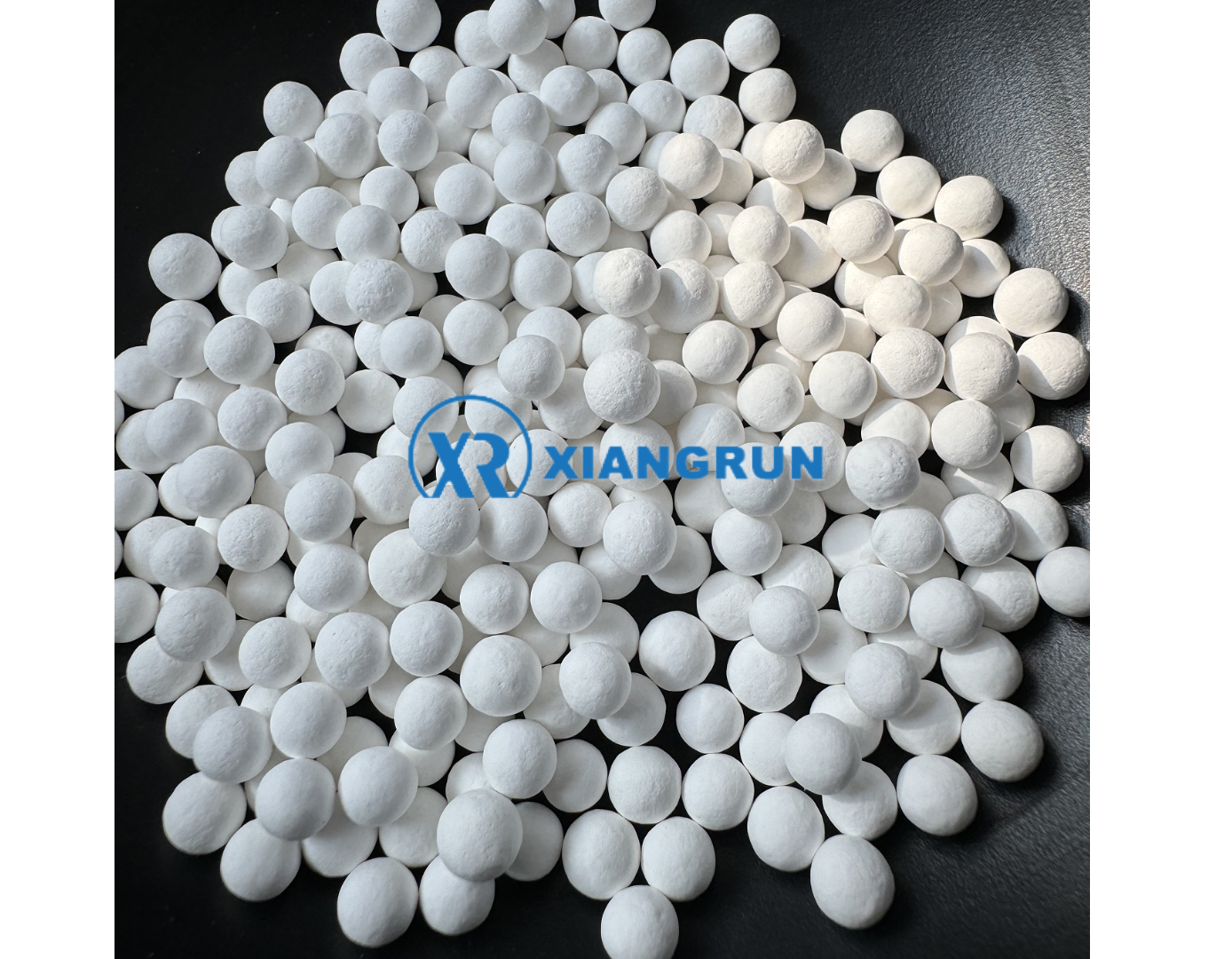
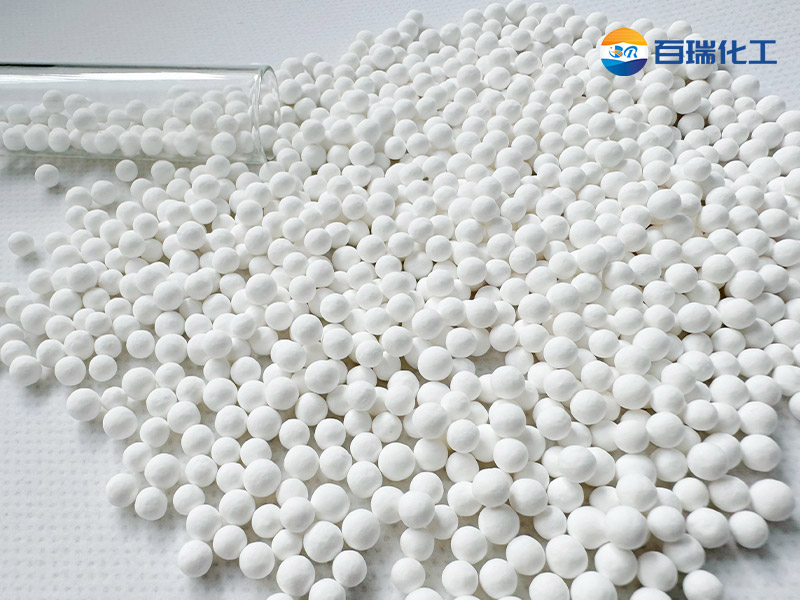
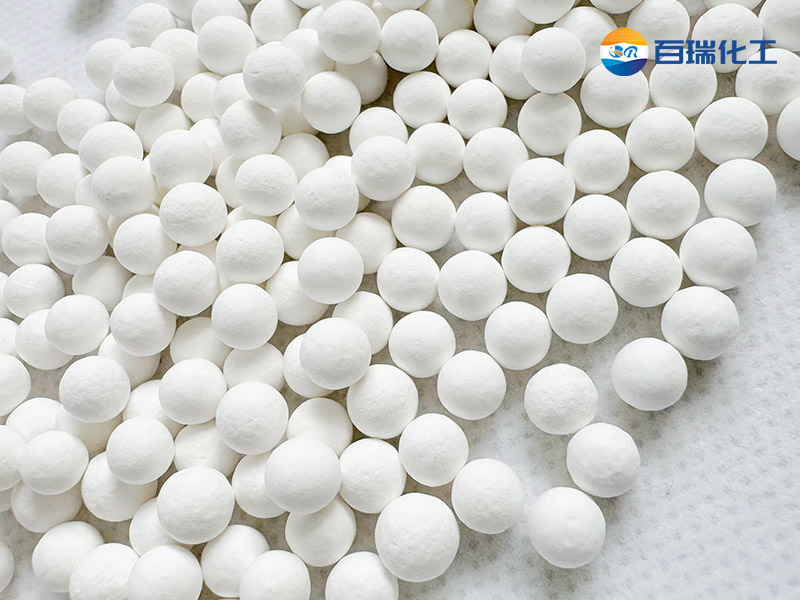
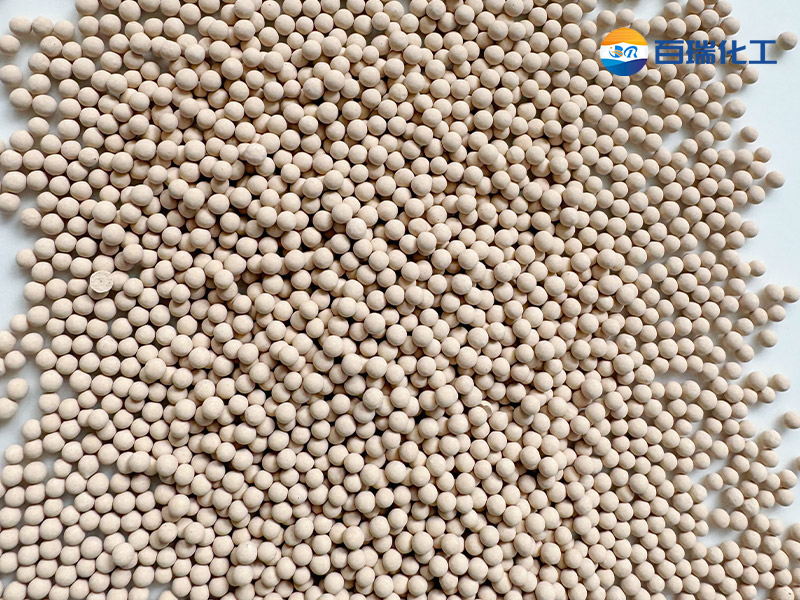
Although most activated alumina typically consists of white, spherical granules, the following observations after operation usually indicate that the adsorbent has become contaminated:
• Yellowing
• Blackening
• Adhesion of oil stains
• Pronounced dampness
This is particularly critical in compressed air systems; if the upstream oil removal is ineffective, oil particles will clog the micropores of the activated alumina, leading to a rapid decline in adsorption capacity.
Zibo Xiangrun Activated Alumina Desiccant Solutions
As a specialized supplier of alumina adsorbents, Zibo Xiangrun Environmental Engineering Co., Ltd. has long focused on the research, development, and export of products such as Activated Alumina Desiccants, PSA Activated Alumina, and Alumina Adsorbents. Our activated alumina products feature:
· High adsorption capacity
· High compressive strength
· Low attrition rate
· Stable dew point control capabilities
· Suitability for drying compressed air, natural gas, oxygen, and various chemical gases
Tailored to specific operating conditions, we offer customized product grades and technical support to help clients reduce energy consumption, extend equipment service life, and enhance system stability. If you have any questions or requirements regarding activated alumina desiccants, please feel free to contact Zibo Xiangrun Environmental Engineering Co., Ltd.—your professional manufacturer of alumina products.