

Many companies will encounter in actual production:
Low grinding efficiency
Long grinding time
Media wear is severe
Uneven particle size of finished product
Increased impurity contamination
High energy consumption
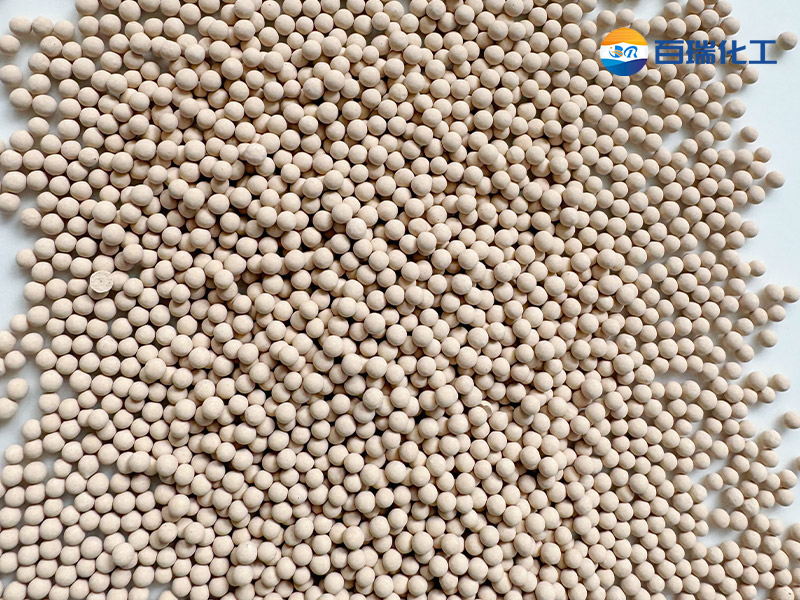
These problems are often related to unreasonable selection of alumina grinding balls.
Why are more and more companies choosing alumina grinding balls?
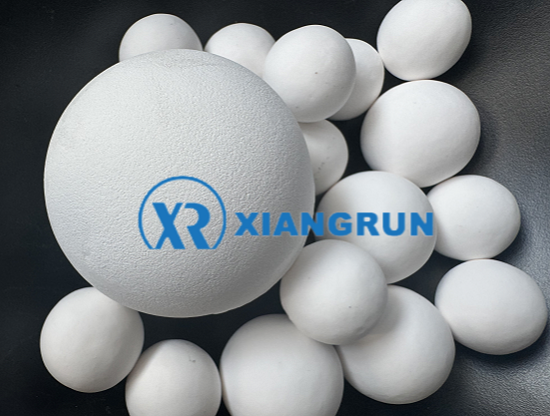
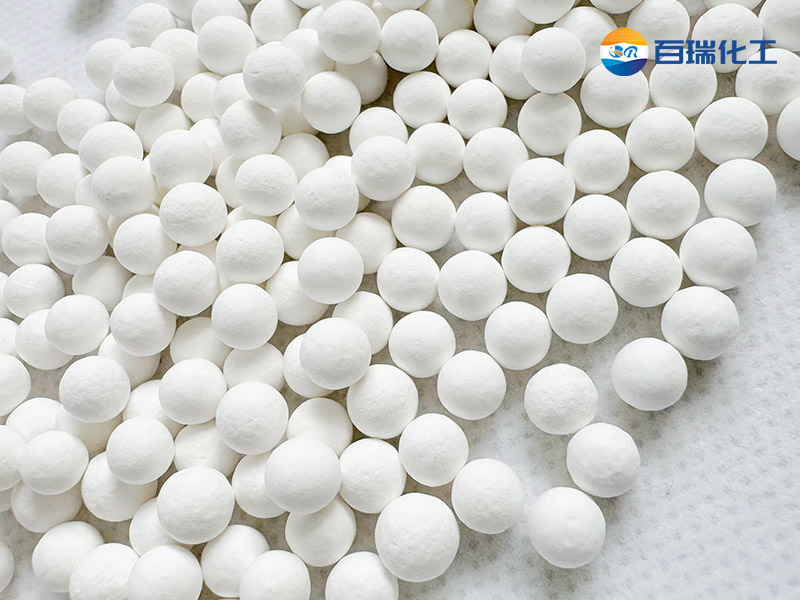
Compared with traditional steel balls, alumina ceramic grinding balls have obvious advantages:
High hardness
High wear resistance
Low wear rate
Not easy to pollute materials
Strong chemical stability
Long service life
Especially in the processing of high-purity materials and ultra-fine powders, high-performance alumina grinding balls can effectively reduce metal contamination and improve product purity and consistency.
What are the key factors to pay attention to when choosing alumina grinding balls?
1. Alumina content
The alumina content directly determines the wear resistance and purity of the grinding ball.
Generally speaking:
Alumina content Features Applicable scenarios
Below 75% lower cost ordinary ceramics, building materials
92% Excellent overall performance Most industrial grinding
More than 95% high purity and low pollution lithium batteries and electronic materials
For high value-added industries, it is recommended to give priority to high-aluminum grinding balls with more than 92%.
2. Grinding ball density
High-density alumina grinding balls can provide stronger impact force, thereby improving ball milling efficiency.
The higher the density:
·The higher the grinding efficiency
·The stronger the fine grinding ability
·Greater processing volume per unit time
But it’s not that higher density is better.
If the material is brittle, too strong an impact may cause:
· Uneven particle size distribution
·Over crushing
·Increased energy consumption
Therefore, it is necessary to choose reasonably according to the hardness of the material.
3. Ball diameter size
Ball diameter is an important factor affecting grinding effect.
Big ball characteristics
Suitable for:
·Coarse grinding
·Large particle materials
·High hardness raw materials
Ball characteristics
Suitable for:
·Ultra fine grinding
·Fine powder processing
4. Wear rate
High-quality alumina grinding balls should have:
·Low wear
·Not easily broken
·Long life
Low wear rates can help companies:
· Reduce the frequency of refills
·Reduce downtime for maintenance
·Reduce overall costs
Especially in continuous production lines, the advantages of high wear-resistant alumina balls are more obvious.
How to improve ball milling efficiency?
Reasonable selection of alumina grinding balls can effectively improve:
·Grinding efficiency·Product purity·Particle size uniformity·Equipment stability
Also reduce:
·Energy consumption
·Impurity contamination
·Dielectric loss
·Maintenance costs
For many industrial companies, optimizing grinding media is often more cost-effective than replacing equipment.
FAQ
Q: What are the advantages of using alumina grinding balls for ball mills?
A: It can reduce metal contamination, improve grinding efficiency and reduce long-term operating costs.
Q: How to choose the size of alumina balls?
A: Usually it needs to be comprehensively determined based on the particle size of the raw material, target fineness and equipment parameters.
Q: Which industries are 92% alumina balls suitable for?
A: Suitable for most industrial grinding scenarios, especially in ceramic, chemical and powder processing industries.
Q: Will the alumina grinding balls break?
A: High-quality, high-density alumina balls have strong pressure resistance, but unreasonable working conditions may still cause damage.
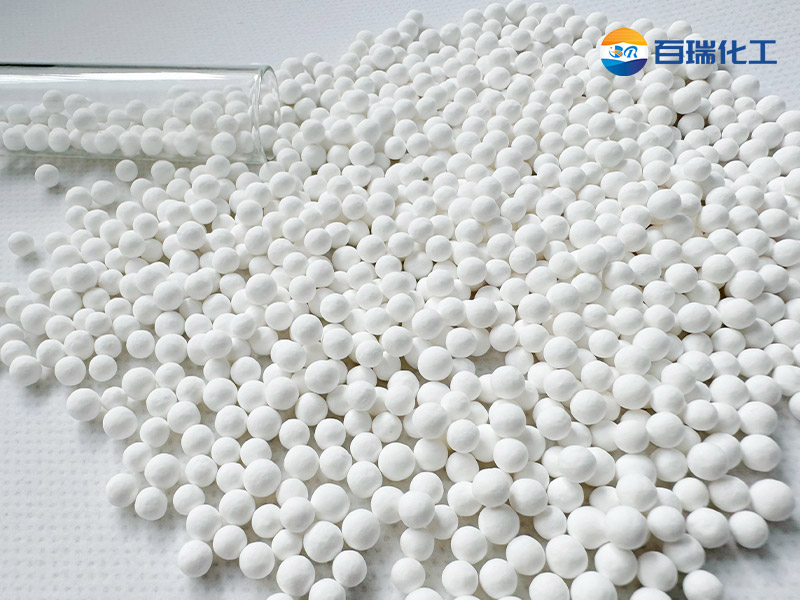
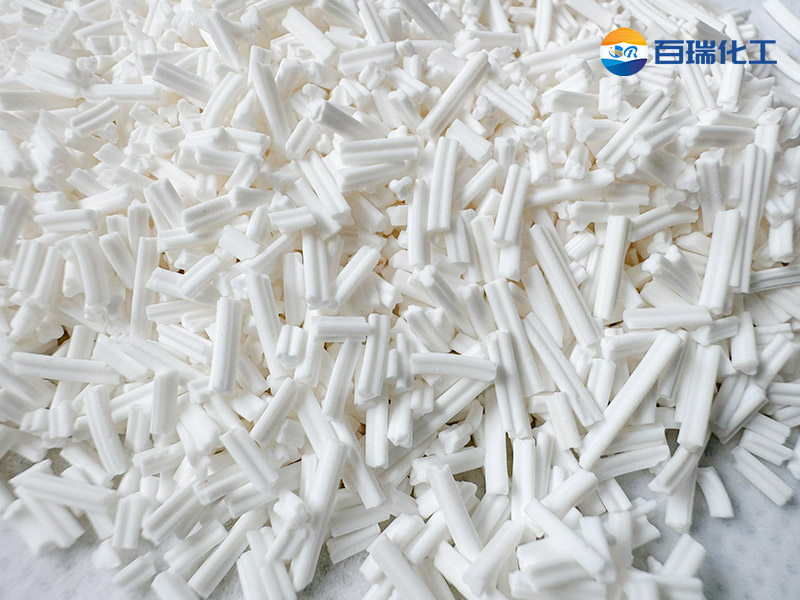
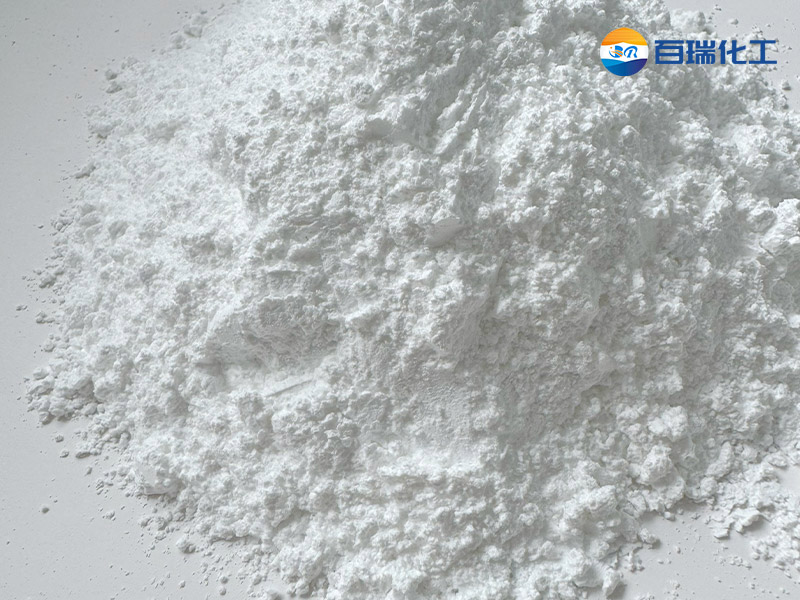
Zibo Xiangrun Environmental Engineering Co., Ltd. has long been focusing on the research and development and production of high-performance alumina products. It can provide customers with alumina ceramic balls with different alumina contents and sizes suitable for various working conditions. The products have the advantages of high hardness, high density, low wear, long life, and stable batch quality, and are widely used in ceramics, lithium batteries, mining, chemical industry, and powder processing industries.