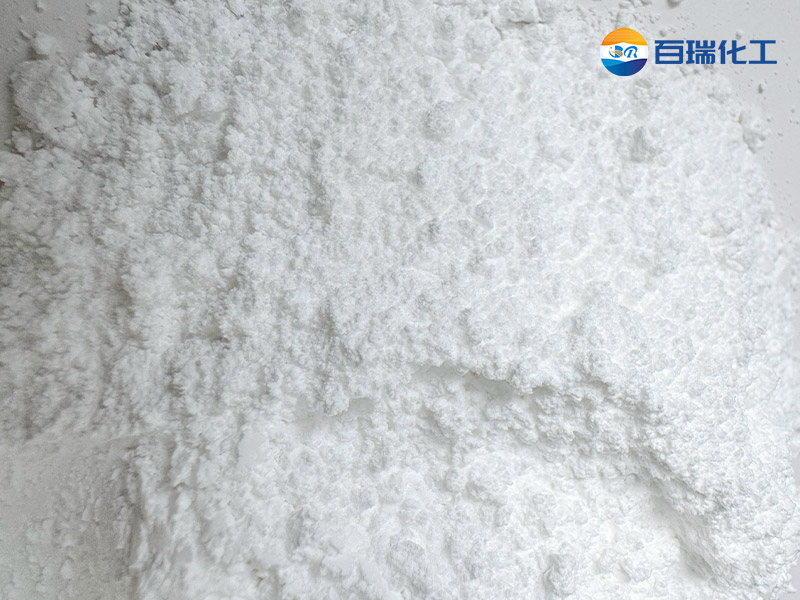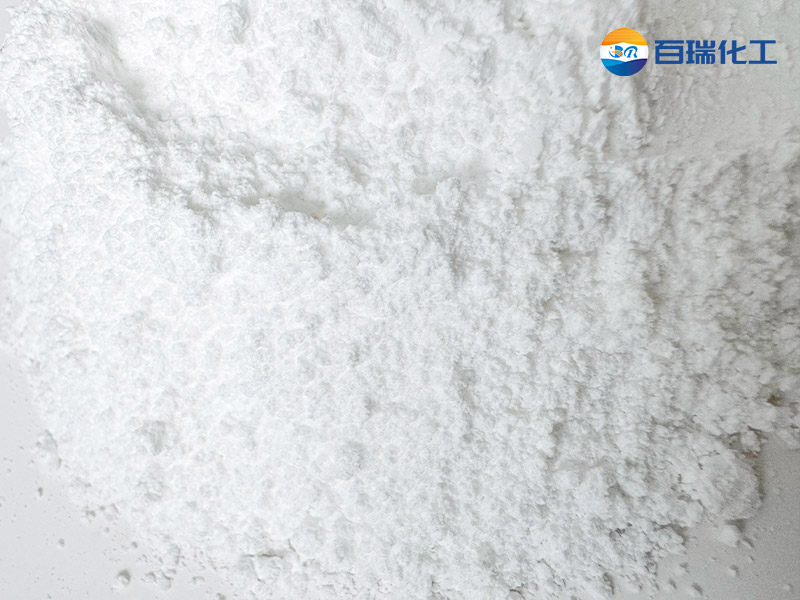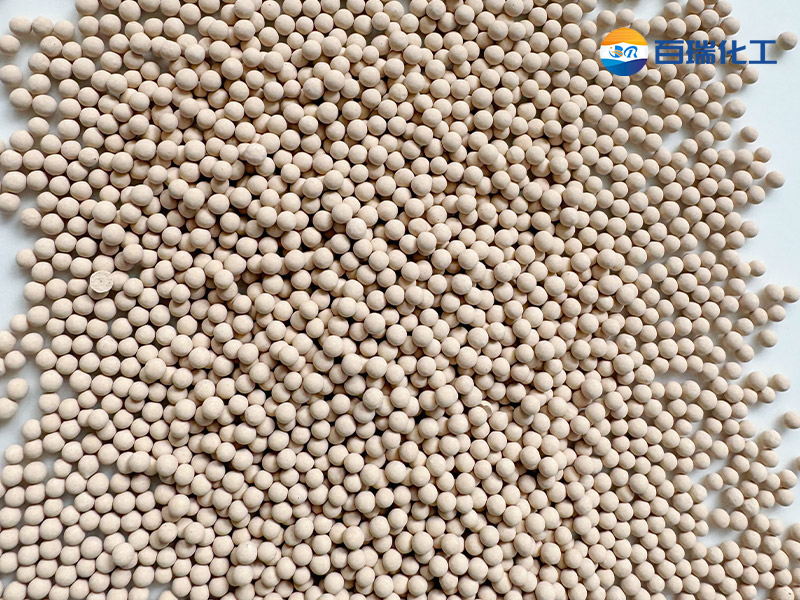


Alumina powder comes in various types, and different models are suitable for different industries and application scenarios. To select the appropriate alumina powder model, factors such as purity, crystal type, particle size, specific surface area, and application should be considered. This article will guide you through how to choose the most suitable alumina powder model based on your needs.
1. Select by Crystal Type
The crystal type of alumina powder directly affects its physical and chemical properties. Common crystal types include:
(1) α-alumina
• Characteristics: High stability at high temperatures, high hardness, low specific surface area.
• Application scenarios:
o Abrasives (sandpaper, grinding wheels, polishing powder)
o Refractory materials (ceramics, crucibles, refractory bricks)
o Structural ceramics (wear-resistant components, cutting tools)
(2) γ-alumina
• Characteristics: Porous structure, high specific surface area, strong catalytic activity.
• Application scenarios:
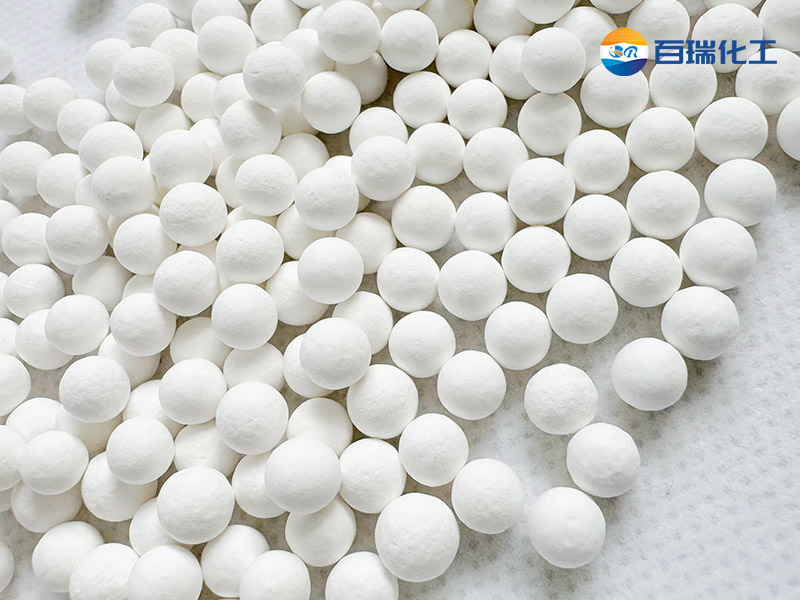
o Catalyst carriers (petrochemicals, automotive exhaust purification)
o Adsorbents (drying agents, water treatment for fluoride removal)
o Coating materials (high-temperature resistant coatings)
(3) β-alumina
• Characteristics: Excellent ionic conductivity, used in solid-state batteries.
• Application scenarios: Sodium-sulfur batteries, fuel cell electrolytes.
(4) Nano-alumina
• Characteristics: Particle size < 100 nm, high specific surface area, enhancing material performance.
• Application scenarios:
o Composite materials enhancement (rubber, plastic, coatings)
o Precision polishing (semiconductors, optical glass)
o Pharmaceutical carriers (drug sustained-release)
2. Select by Purity
Purity grade Al₂O₃ content Application fields
Industrial grade 85%-99% Refractory materials, abrasives, fillers
High purity grade 99.5%-99.9% Electronics ceramics, LED substrates, catalysts
Ultra-pure grade >99.99% Semiconductors, optical coating, single crystal growth
Selection suggestions:
• Ordinary industrial use (such as refractory bricks, abrasives) → Industrial grade (95%-99%)
• Electronics, optics, high-end ceramics → High purity grade (99.9% or above)
• Semiconductors, single crystal growth → Ultra-pure grade (99.99% or above)
3. Select by Particle Size
The particle size (particle diameter) of alumina powder affects its fluidity, filling property and surface activity:
Particle size range Applicable fields
Coarse particles (>50μm) Grinding materials, refractory materials
Medium particles (1-50μm) Ceramics, coatings, fillers
Fine particles (0.1-1μm) Precision polishing, catalysts
Nano-sized (<100nm) Composite materials, medicine, electronics
Recommendations for selection:
• Polishing, catalysts → Sub-micron (0.1-1μm) or nano-sized
• Ceramics, coatings → 1-20μm
• Grinding materials → 10-100μm
4. Select by Specific Surface Area
The specific surface area affects adsorption, catalytic performance, etc.:
Specific surface area Applicable fields
Low (<10 m²/g) Grinding materials, structural ceramics
Medium (10-100 m²/g) Fillers, coatings
High (100-400 m²/g) Catalysts, adsorbents
Recommendations for selection:
• Catalysts, desiccants → High specific surface area (γ-Al₂O₃, 150-400 m²/g)
• Ceramics, grinding materials → Low specific surface area (α-Al₂O₃, <10 m²/g)
5. Summary: How to Select Quickly?
1. Determine the application (grinding material, catalyst, ceramics, etc.) → Select crystal form (α/γ).
2. Determine the purity requirement (industrial grade/high purity/ultra-high purity).
3. Select the appropriate particle size (coarse/medium/fine/nano).
4. Consider the specific surface area (high specific surface area required for adsorption/catalysis).
5. Verify supplier data (test reports, application cases).
If you have other questions about how to select alumina powder or don't know how to choose the most suitable product for your industry, please feel free to contact us! We will serve you wholeheartedly!