

一、Basic concept comparison
characteristic | Potassium Permanganate Alumina | Ordinary potassium permanganate |
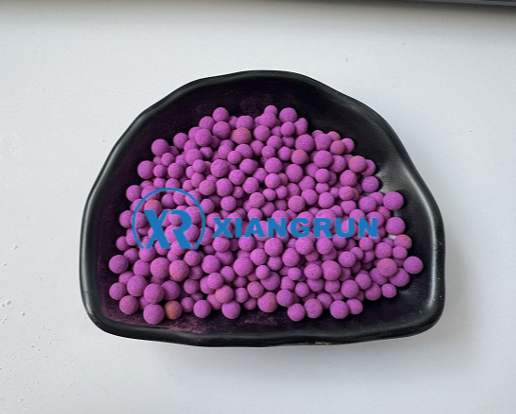
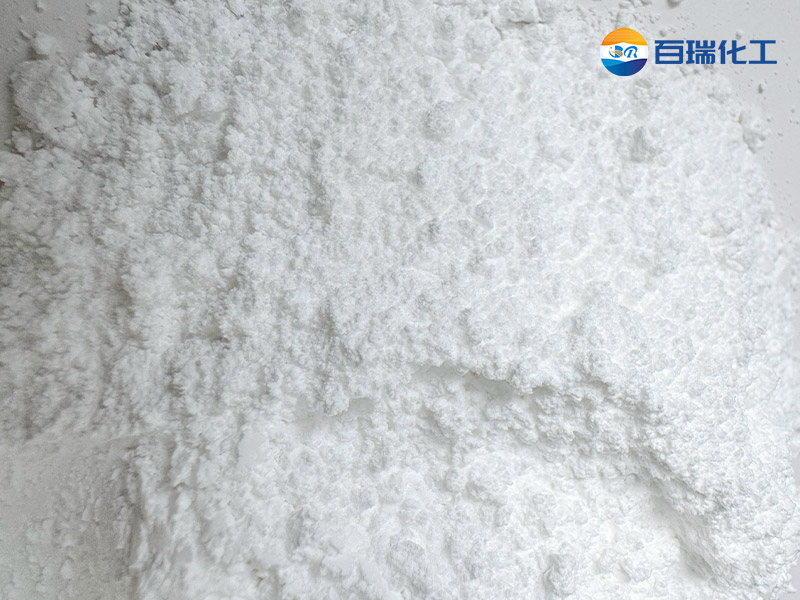
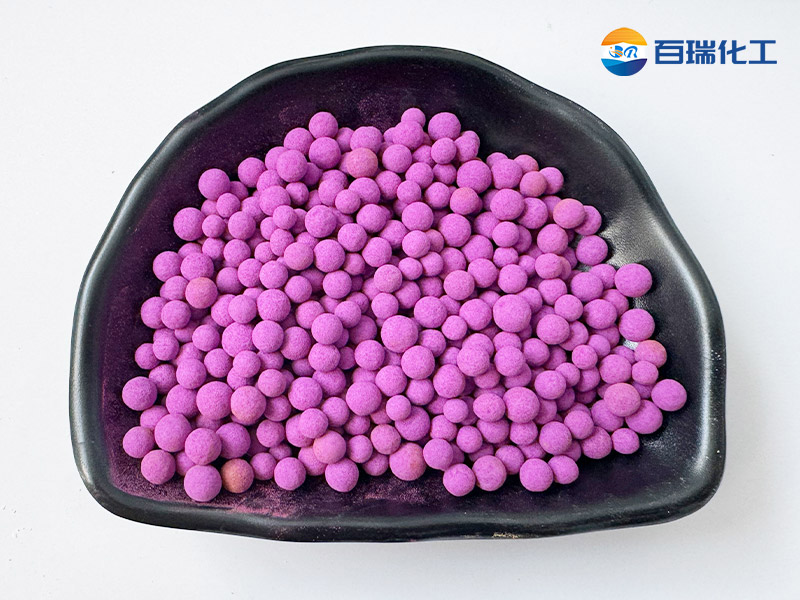
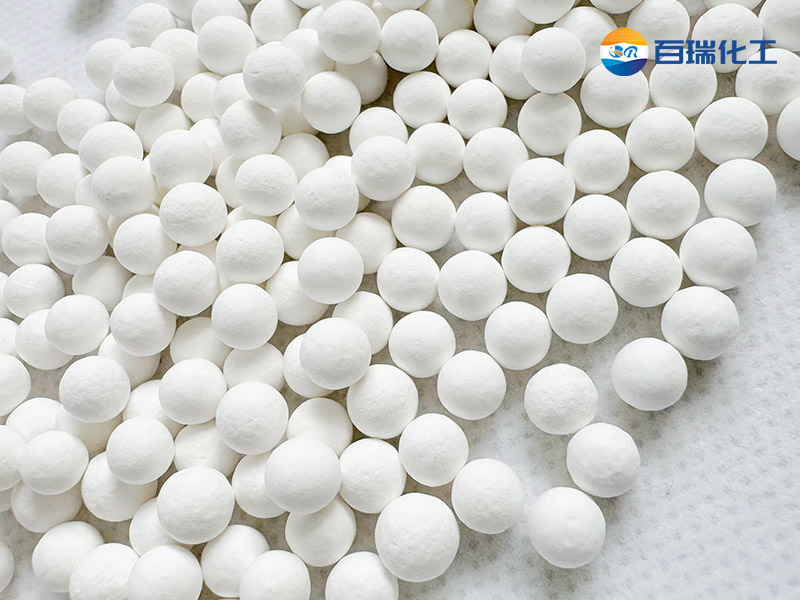
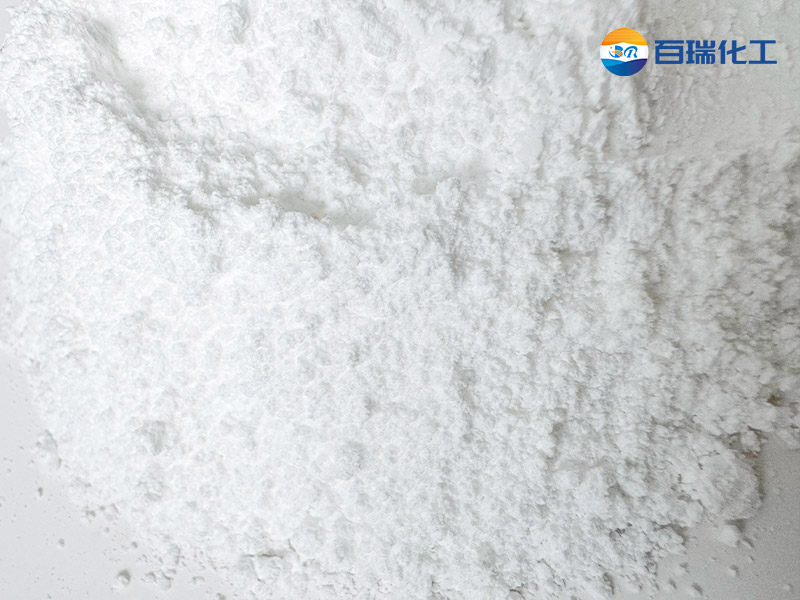
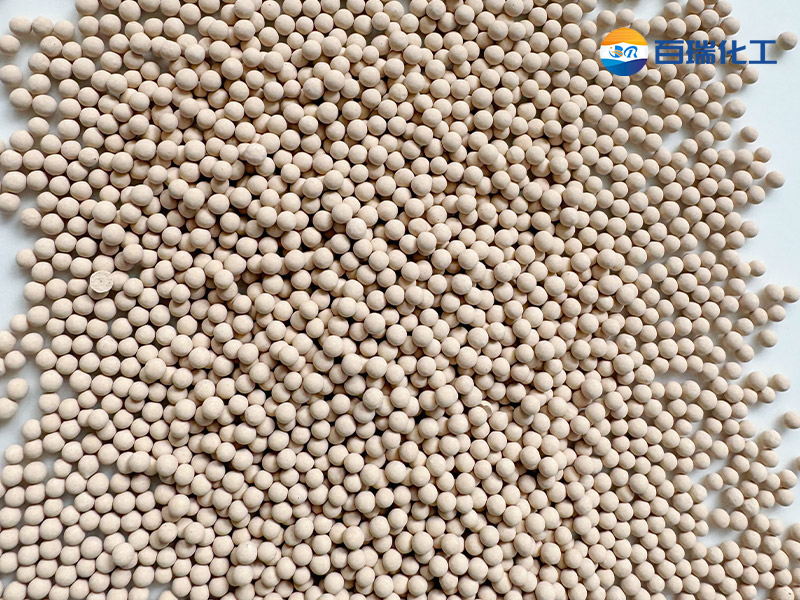
composition | Potassium permanganate supported on alumina | Pure potassium permanganate crystals |
form | Solid particles | Dark purple crystals or powder |
Solubility | Insoluble in water and organic solvents | Soluble in water |
二、Differences in chemical properties
1. Oxidation performance
• Potassium permanganate alumina:
o Moderate oxidation ability, good selectivity
o Slow reaction rate, strong controllability
o Suitable for mild oxidation conditions
• Ordinary potassium permanganate:
o Extremely strong oxidation ability
o Violent reaction, poor selectivity
o Prone to over-oxidation
2. Stability comparison
• Potassium permanganate alumina:
o Good thermal stability (up to 80°C)
o Not easy to self-decompose
o Long storage period (6-12 months)
• Ordinary potassium permanganate:
o Easy to decompose when heated
o Unstable under light
o Easy to deliquesce and deteriorate
三. Differences in application fields
1. Applicable reaction types
Reaction Type | Potassium Permanganate Alumina Applicability | Common potassium permanganate applicability |
Alcohol → Aldehyde Ketone | ★★★★★ | ★★★☆☆ |
Olefin Epoxidation | ★★★★☆ | ★★☆☆☆ |
Sulfide oxidation | ★★★★☆ | ★★★★★ |
Aromatic Oxidation | ★★☆☆☆ | ★★★★★ |
2. Typical application scenarios
• Potassium permanganate alumina is more suitable for:
o Continuous reactions requiring catalysts
o Reactions requiring selective oxidation
o Systems requiring recycling
o Non-aqueous phase reaction systems
• Ordinary potassium permanganate is more suitable for:
o Reactions requiring strong oxidation
o Aqueous phase reaction systems
o Single-use occasions
o Disinfection and sterilization applications
四. Differences in operation and treatment
1. Usage method
• Potassium permanganate alumina:
o Add directly to the reaction system
o Can be recovered by filtration
o Can be loaded into a fixed bed for continuous use
• Ordinary potassium permanganate:
o Need to be prepared into a solution for use
o Difficult to recover
o One-time consumption
Processing | Potassium Permanganate Alumina | Ordinary potassium permanganate |
Catalyst separation | Simple (filter) | Cannot be separated |
Product purification | Easier | More difficult |
Waste Disposal | Small amount and easy to handle | Large quantity is difficult to handle |
五. Economic Comparison
1. Cost Analysis
• Initial cost:
o Potassium permanganate alumina: higher (about 3-5 times of ordinary KMnO₄)
o Ordinary potassium permanganate: lower
• Cost of use:
o Potassium permanganate alumina: can be reused 3-5 times, low long-term cost
o Ordinary potassium permanganate: one-time use, high long-term cost
2. Applicable scale
• Potassium permanganate alumina is more suitable for:
o Industrial continuous production
o Processes requiring catalyst recovery
o Occasions with high environmental requirements
• Ordinary potassium permanganate is more suitable for:
o Laboratory test
o One-time reaction
o Applications that are not sensitive to cost
六. Precautions
1. Key points for the use of potassium permanganate alumina:
o Activation is required before use
o Avoid direct contact with strong reducing agents
o Clean with dilute acid after recovery
2. Key points for the use of ordinary potassium permanganate:
o Prepare and use immediately
o Strictly control pH and temperature
o Be careful to prevent violent boiling