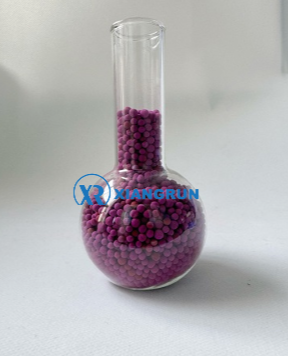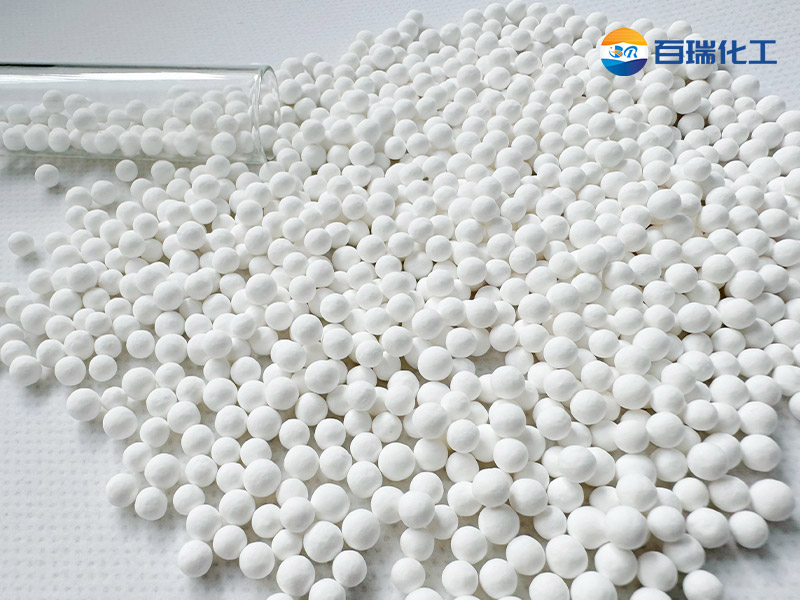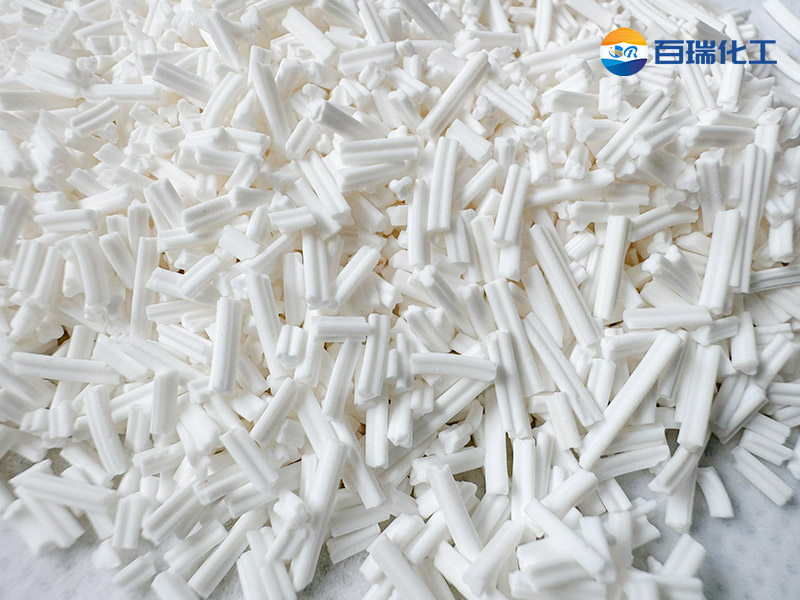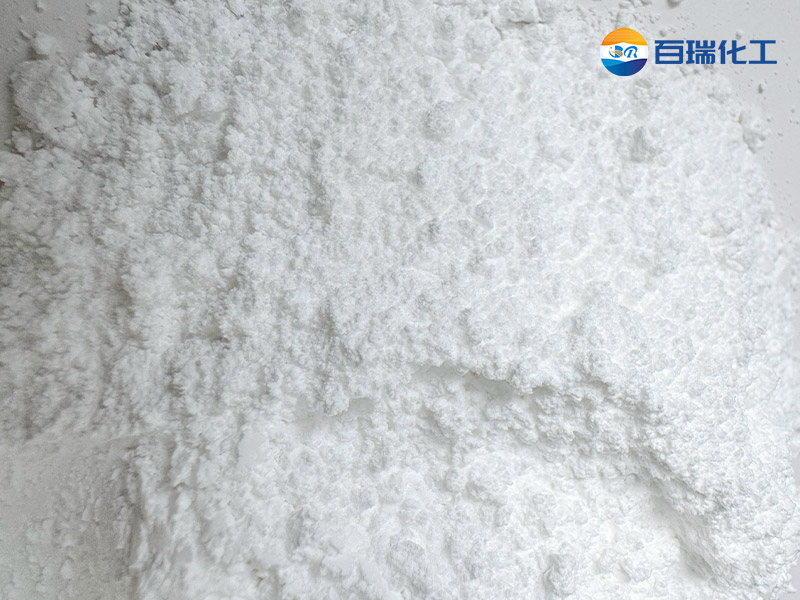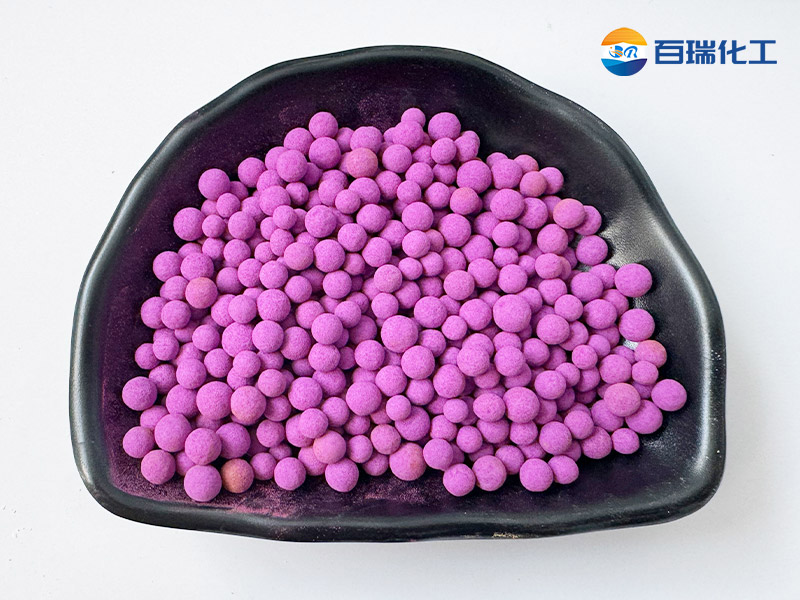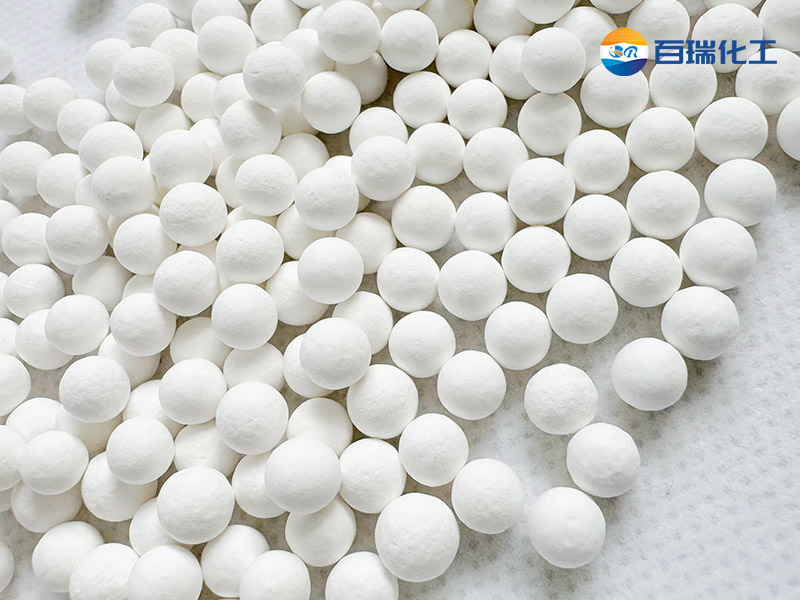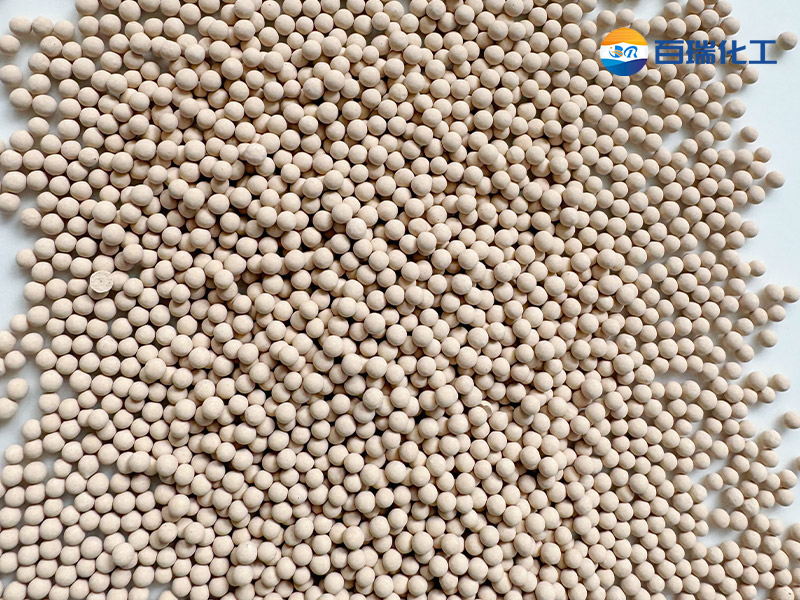


Potassium permanganate alumina is a highly efficient air and water purification material, widely used in industrial waste gas treatment, indoor air purification, sewage treatment and other fields. It combines the strong oxidizing property of potassium permanganate and the high adsorption property of alumina, and can effectively degrade a variety of pollutants. So, how is potassium permanganate alumina purified? This article will analyze the purification principle, purification process, advantages and disadvantages.
1. Purification principle of potassium permanganate alumina
The purification process of potassium permanganate alumina mainly relies on the synergistic effect of adsorption and oxidation, which specifically includes the following two key steps:
(1) Physical adsorption: enrichment of alumina
Alumina is a porous material with a large specific surface area. It can quickly adsorb harmful gases in the air (such as formaldehyde, benzene, hydrogen sulfide, etc.) or organic pollutants in water, enriching them on the surface of the material and improving the efficiency of subsequent oxidation reactions.
(2) Chemical oxidation: degradation of potassium permanganate
Potassium permanganate is a strong oxidant that can undergo redox reactions with pollutants adsorbed on the surface of alumina, decomposing them into harmless or low-toxic substances. For example:
• Formaldehyde (HCHO) → oxidized to carbon dioxide (CO₂) and water (H₂O).
• Hydrogen sulfide (H₂S) → oxidized to sulfate (SO₄²⁻) and water.
• BTEX (e.g. benzene, toluene) → oxidized to carboxylic acids or completely mineralized to CO₂.
Reaction Example:
HCHO+2KMnO4→CO2+H2O+2MnO2+2KOH
3H2S+8KMnO4→3K2SO4+8MnO2+2H2O+2
2. Purification process (taking air purification as an example)
1. Air enters the purification device: polluted air enters the reactor equipped with potassium permanganate alumina balls through the fan.
2. Pollutant adsorption: formaldehyde, H₂S, etc. are adsorbed by alumina and enriched on the surface.
3. Oxidative degradation: potassium permanganate reacts with pollutants and decomposes them into harmless substances (CO₂, H₂O, etc.).
4. By-product treatment: the generated MnO₂ may be deposited on the surface of the material, and the filter material needs to be replaced regularly.
3. Factors affecting purification effect
• Potassium permanganate loading: The higher the loading, the stronger the oxidation ability, but deliquescence should be avoided.
• Pore structure of alumina: macropores improve gas diffusion, and micropores enhance adsorption capacity.
• Ambient humidity: Too high humidity will accelerate the decomposition of potassium permanganate, and humidity <60% is recommended.
• Contact time: The lower the gas flow rate, the more thorough the reaction.
4. Advantages and Disadvantages of Potassium Permanganate Alumina
✔ Advantages
• Broad spectrum: can treat a variety of pollutants (VOCs, sulfides, some heavy metals).
• No additional energy required: unlike photocatalysis (such as TiO₂) which requires ultraviolet light, it can work at room temperature.
• Fast reaction speed: compared with activated carbon adsorption, it degrades more thoroughly and is not easy to saturate.
✖ Disadvantages
• Limited life: potassium permanganate will gradually be consumed and needs to be replaced regularly (usually 3-6 months).
• Humidity sensitivity: high humidity environment can easily cause material failure.
• Byproduct problem: MnO₂ deposition may block pores and reduce efficiency.
5. Actual application cases
• A certain brand of air purifier: using potassium permanganate aluminum oxide + activated carbon composite filter element, formaldehyde removal rate> 90% (within 1 hour).
• Deodorization of sewage treatment plant: After using this material in the packing tower, the H₂S removal rate is> 85%.
Potassium permanganate alumina efficiently purifies air and water through the dual effects of "adsorption + oxidation", and is suitable for home, industrial and medical fields. However, its service life is greatly affected by environmental humidity, and it usually needs to be combined with other purification technologies (such as activated carbon, HEPA filter) to achieve the best effect. In the future, its stability and purification efficiency can be further improved by optimizing the material structure (such as nano-loading technology).
I hope this article can help you understand the purification mechanism of potassium permanganate alumina! If you have further questions, please contact us.