

Activated alumina is widely used in air drying, industrial gas treatment, water treatment, and chemical adsorption systems. However, in actual procurement, many users have found that although the parameters seem similar, the performance varies significantly, even affecting the stable operation of the entire system. The key to this problem often lies in whether the right model has been selected.
1. Does the application scenario match the product structure?
Different applications have different requirements for activated alumina. For example, dryers and industrial gas drying prioritize adsorption rate and bed stability, while water treatment focuses more on surface activity and chemical properties.
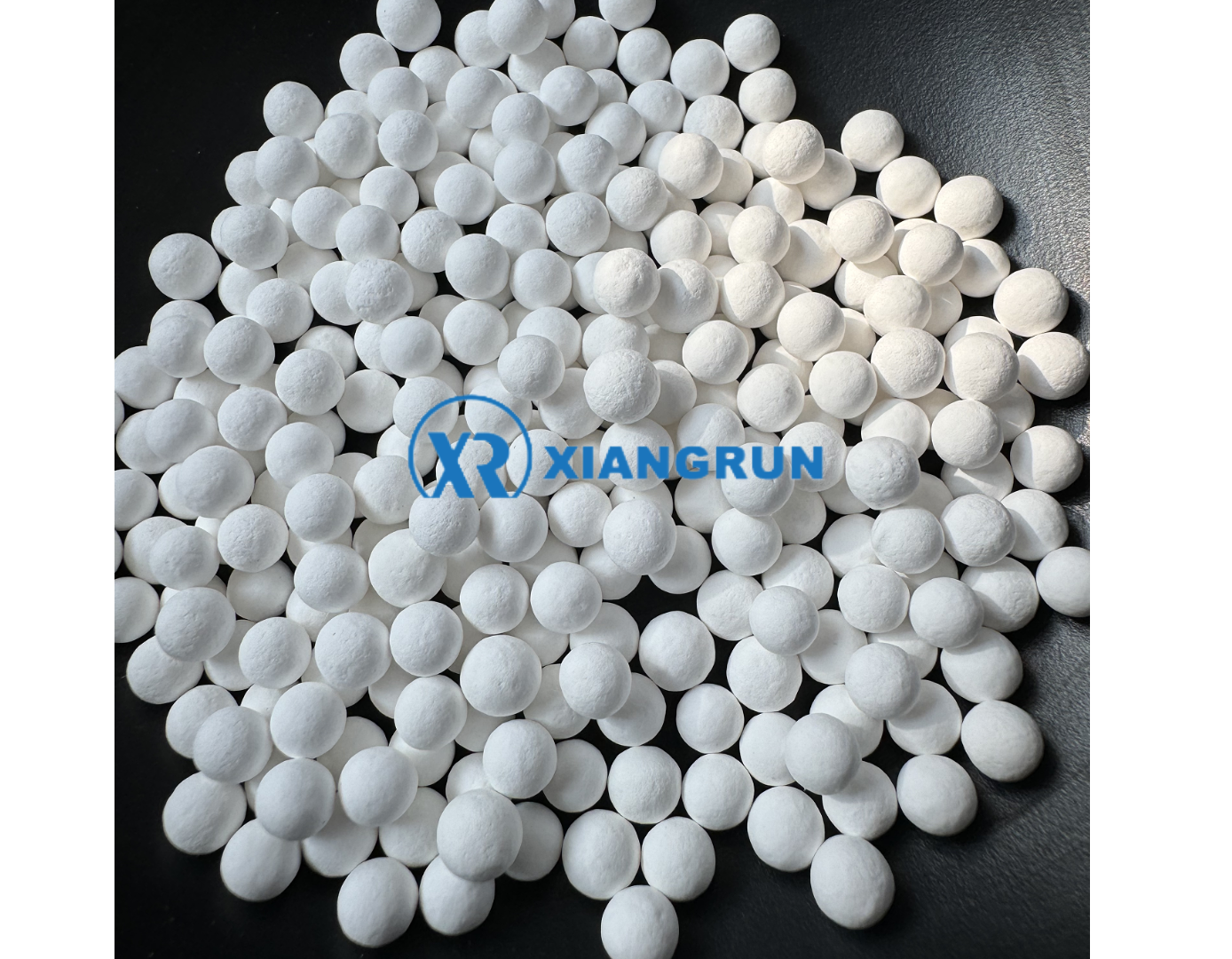
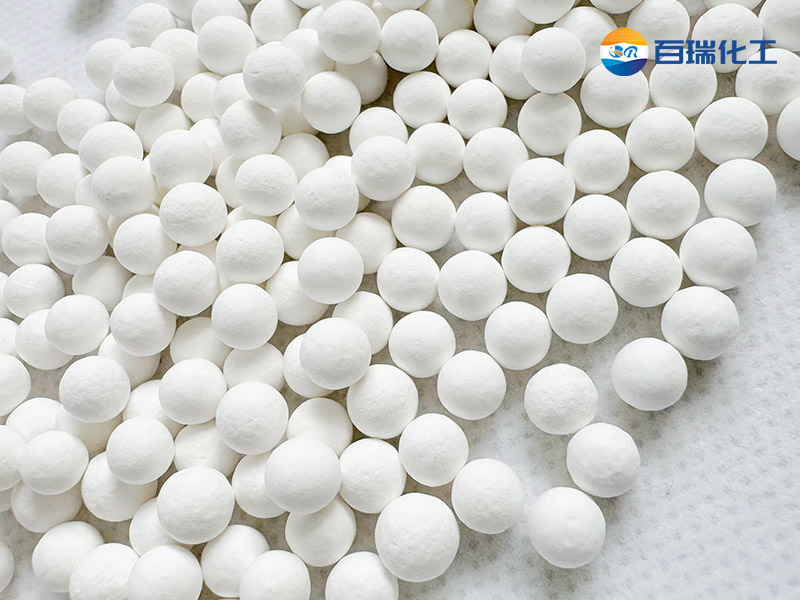
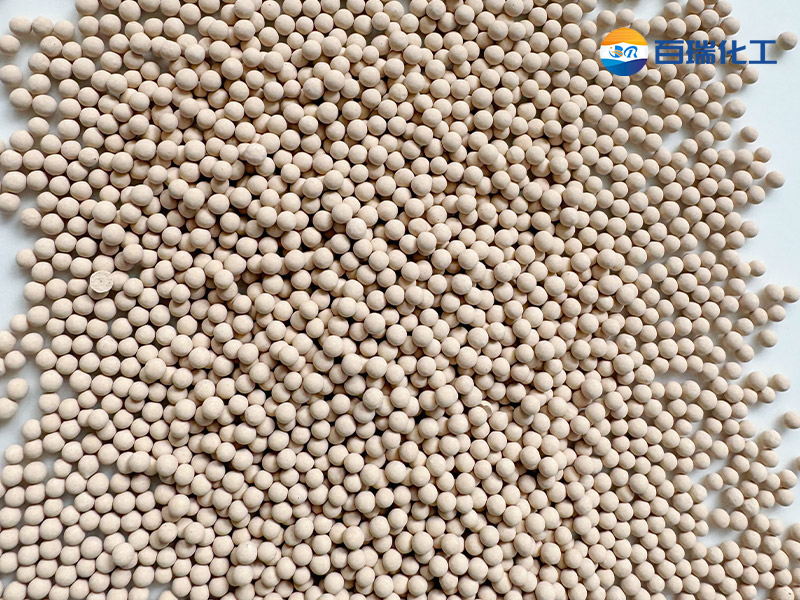
XR101 activated alumina, for instance, was developed specifically for industrial gas drying and continuous operation. Through optimized pore structure, it maintains stable adsorption efficiency even under high humidity inlet conditions.
2. Are the specific surface area and pore size distribution reasonable?
A high specific surface area does not necessarily equate to better adsorption performance.
The real key is a uniform and usable pore structure that can both rapidly adsorb moisture and facilitate subsequent regeneration.
The XR101 employs a stable pore structure design, balancing adsorption capacity with adsorption rate and regeneration efficiency, making it suitable for long-term cyclic use.
3. Is the adsorption capacity based on real-world operating conditions?
Some activated alumina performs well under laboratory conditions, but shows significant degradation in actual operation.
High-quality products should maintain stable performance under real-world temperature, humidity, and gas velocity conditions.
XR101 activated alumina exhibits consistent adsorption capacity and reliable operating data in industrial drying applications, making it more suitable for continuous industrial plants.
4. Does the mechanical strength meet the requirements for long-term operation?
In the adsorption tower, activated alumina needs to withstand continuous airflow and multiple regeneration cycles. Insufficient strength can easily lead to pulverization, resulting in increased pressure drop and system contamination.
XR101, through reinforced molding and sintering processes, possesses good compressive strength and wear resistance, effectively reducing the risk of pulverization.
5. Is the regeneration performance stable?
The cost of using activated alumina largely depends on its regeneration performance.
If the adsorption capacity declines rapidly after regeneration, the overall operating cost will increase significantly.
XR101 maintains stable adsorption performance even after multiple regeneration cycles, helping users extend replacement intervals and reduce overall costs.
6. Is there mature application experience to support it?
When choosing activated alumina, it's not enough to just look at the parameters; you also need to look at actual application cases.
XR101 has been validated through long-term applications in air drying, industrial gas treatment, and related adsorption systems, making it suitable for various operating conditions.
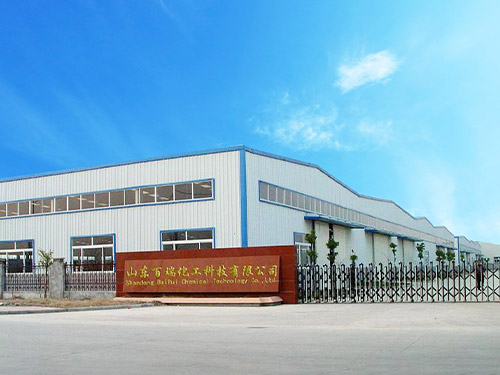
XR101 activated alumina is not just a model, but a complete and mature application solution that helps customers achieve long-term stable operation. If you are looking for activated alumina suitable for industrial drying or gas treatment systems, XR101 activated alumina deserves your attention. Welcome to contact us, Zibo Xiangrun Environmental Engineering Co., Ltd.—a professional alumina manufacturer.