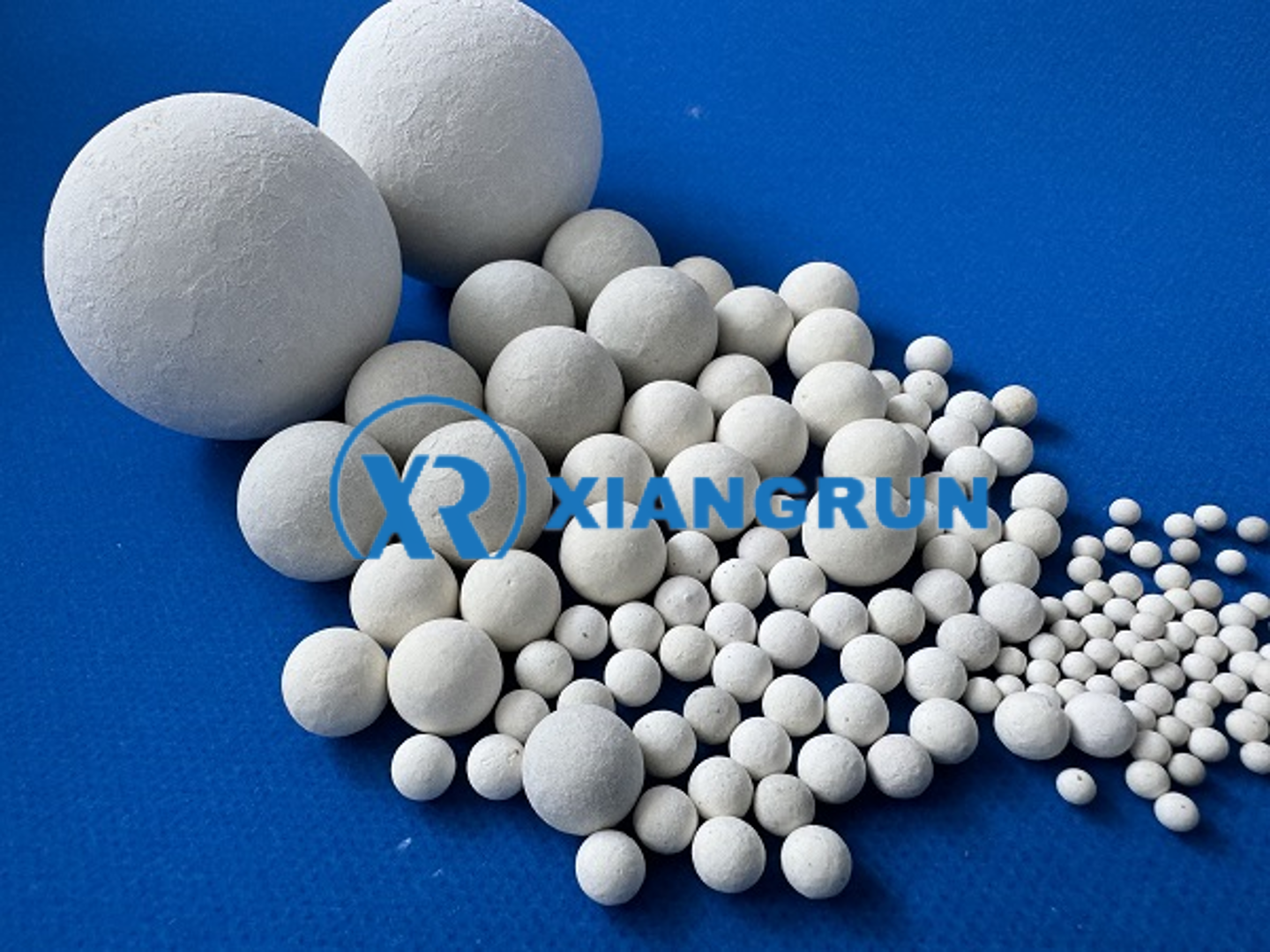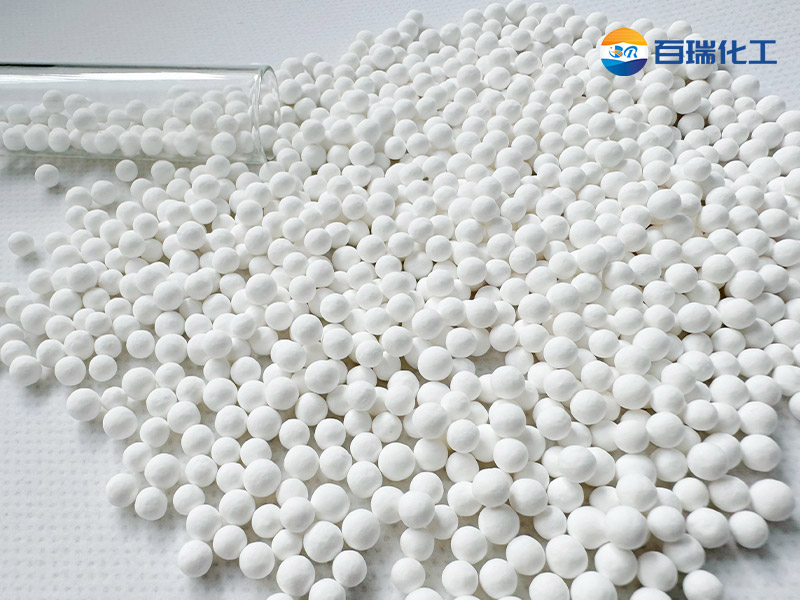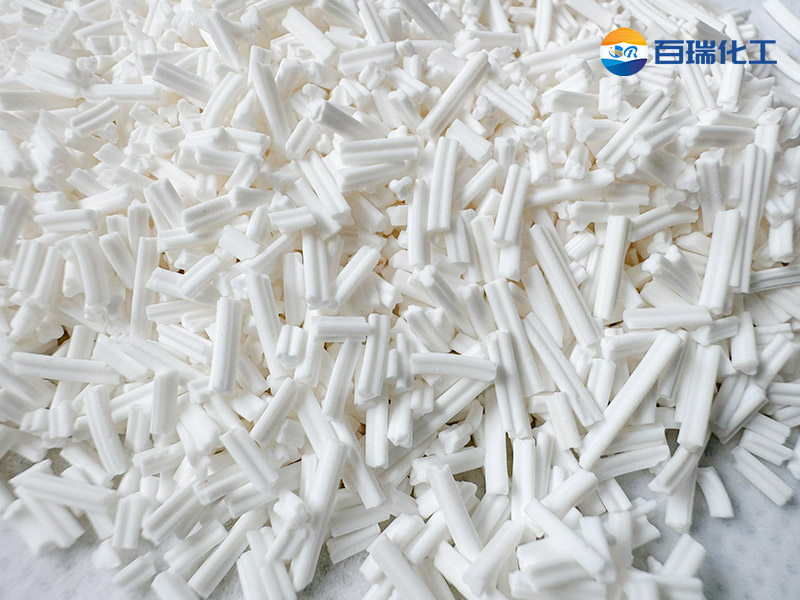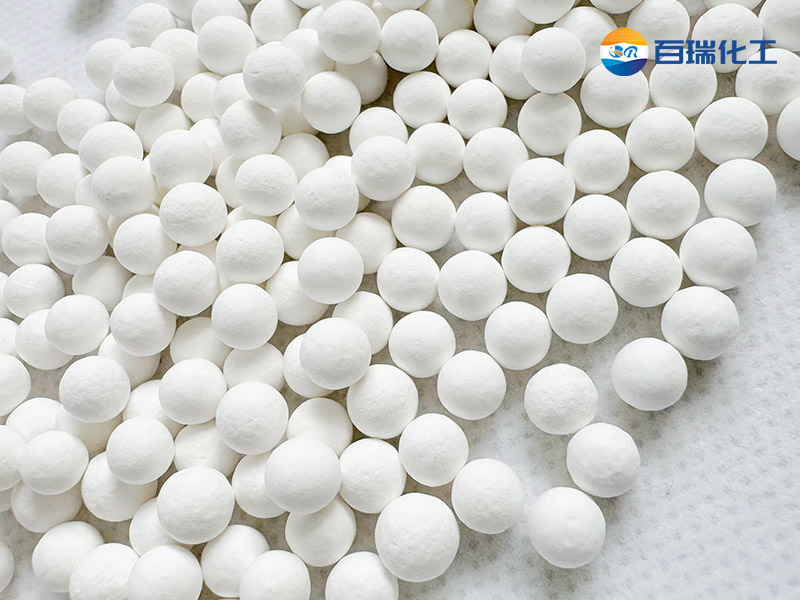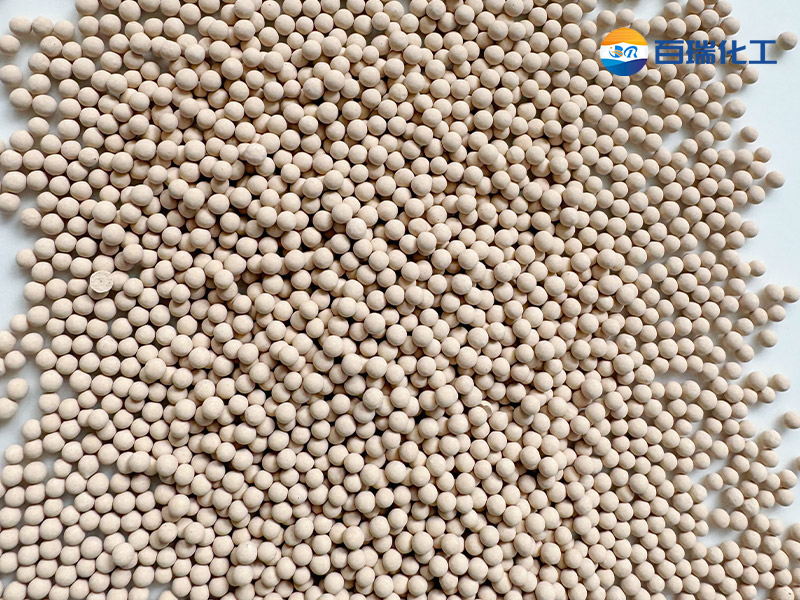


Among numerous performance indicators, compressive strength is one of the important parameters for evaluating the quality of alumina ceramic balls. High compressive strength not only ensures the long-term stable operation of equipment but also effectively reduces equipment maintenance costs. Therefore, it is often a key technical indicator that industrial users focus on when purchasing alumina ceramic balls.
I. Bearing Catalyst Weight and Ensuring Bed Stability
In petrochemical and chemical reactors, catalysts are typically packed within the reaction tower, with alumina ceramic balls positioned at the bottom as a support layer. The weight of catalyst in an industrial reactor can reach several tons or even tens of tons, placing high demands on the strength of the support material.
If the compressive strength of the alumina ceramic balls is insufficient, they are prone to cracking, pulverizing, or collapsing under long-term pressure, leading to changes in the catalyst bed structure and affecting reaction efficiency. High-compressive-strength alumina ceramic balls can stably bear the weight of the catalyst, maintaining a uniform bed structure and ensuring stable operation of the reaction process.
II. Reducing Equipment Blockage and Pressure Drop
During industrial plant operation, if ceramic balls break, a large number of fine particles are generated. These fragments may enter pipelines or equipment with the flow of gas or liquid, causing equipment blockage, uneven fluid distribution, or increased pressure drop.
High-compressive-strength alumina ceramic balls have better structural stability and are less prone to breakage under high temperature, high pressure, and long-term operating conditions, effectively preventing fragmentation and reducing the risk of plant downtime for maintenance.
III. Enhancing Equipment Operational Safety
Petroleum refining and chemical plants typically require long-term continuous operation. Catalyst bed collapse can severely impact equipment structure and even pose safety hazards.
High-strength alumina ceramic balls maintain a stable physical structure over extended periods, exhibiting excellent compressive strength and wear resistance even in complex industrial environments. This provides reliable support for the reactor, thereby improving the overall operational safety of the unit.
IV. Extending Catalyst Lifespan
High-quality alumina ceramic balls not only support the catalyst but also optimize gas and liquid distribution. When the bed structure is stable and fluid distribution is uniform, the catalyst can fully contact the reactants, maintaining good reaction efficiency.
If the ceramic balls crack or the bed structure is damaged, localized catalyst buildup or fluid short-circuiting may occur, affecting catalyst lifespan. High-compressive-strength alumina ceramic balls effectively prevent these problems, helping companies reduce catalyst replacement frequency.
V. Reduced Long-Term Operating Costs
While high-strength alumina ceramic balls may have a slightly higher initial purchase cost, they significantly reduce maintenance costs in the long run. High-quality ceramic balls reduce the frequency of equipment downtime, maintenance, and material replacement, thereby improving overall production efficiency.
For chemical plants requiring long-term stable operation, choosing high-compressive-strength alumina ceramic balls is a more economical and reliable solution.
High-quality alumina ceramic balls typically feature high-purity alumina raw materials, a dense structure, and excellent mechanical strength, meeting the long-term operating needs of the petrochemical, chemical, and environmental protection industries. If you have any questions or needs regarding alumina ceramic balls, please contact Zibo Xiangrun Environmental Engineering Co., Ltd. – a professional alumina manufacturer.