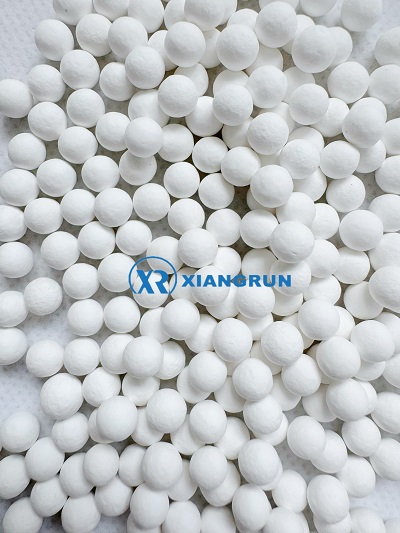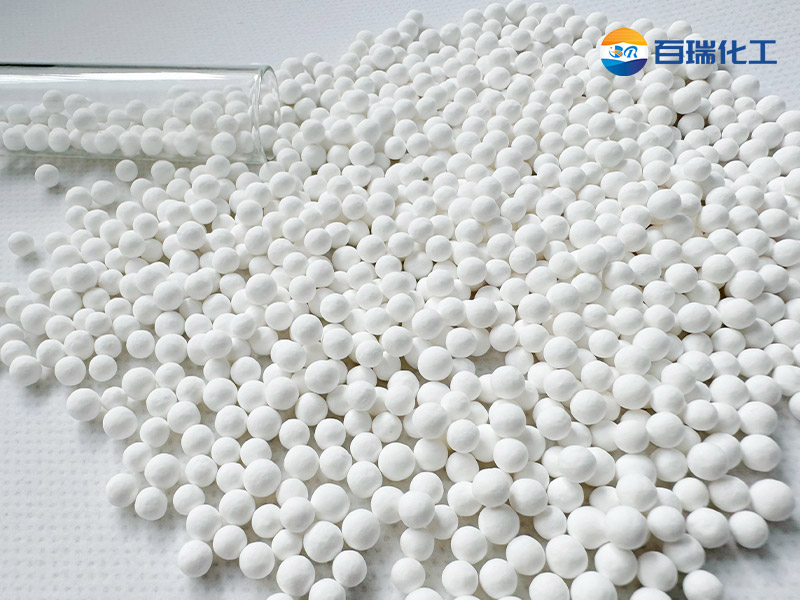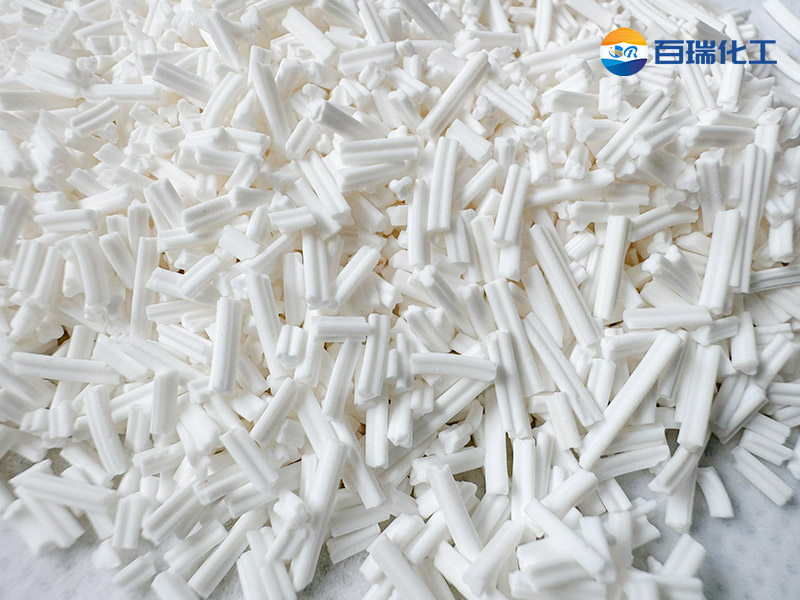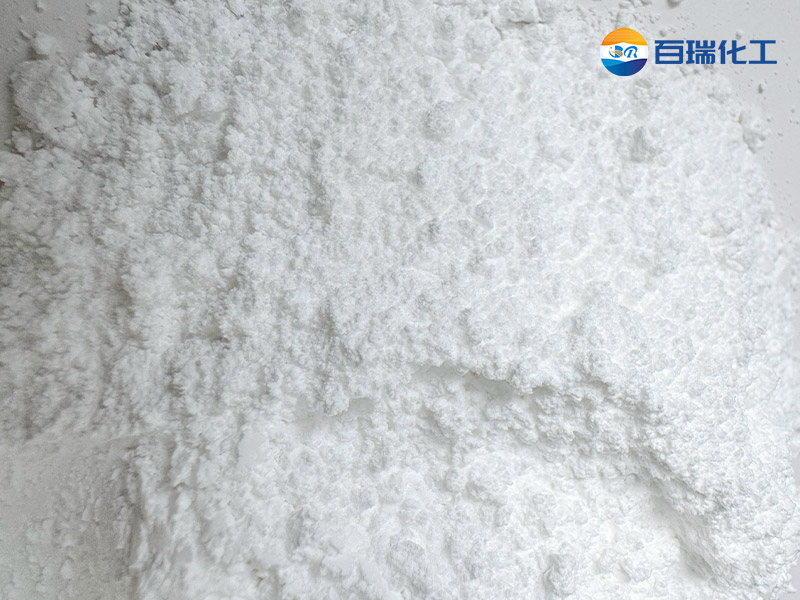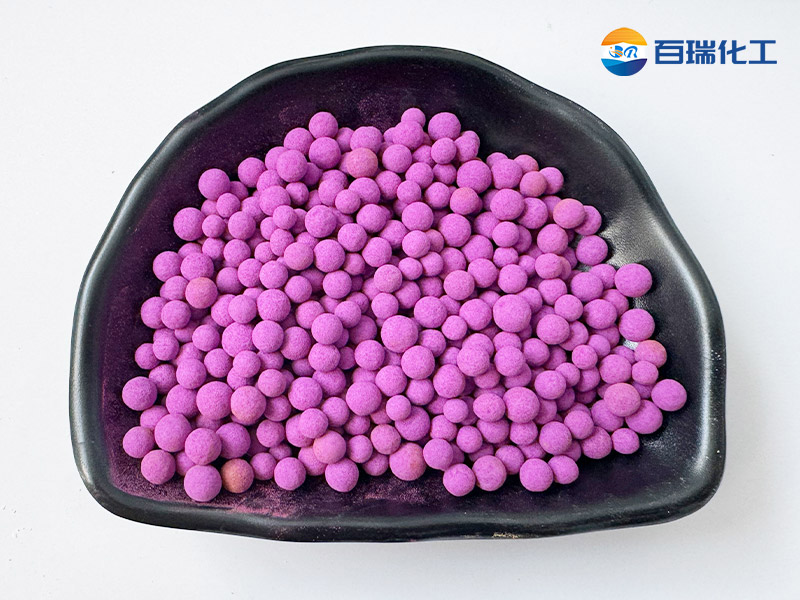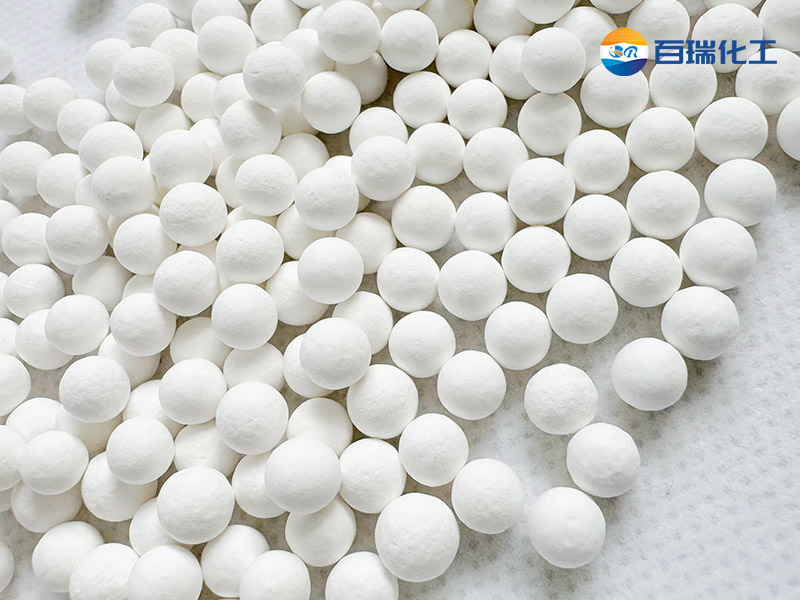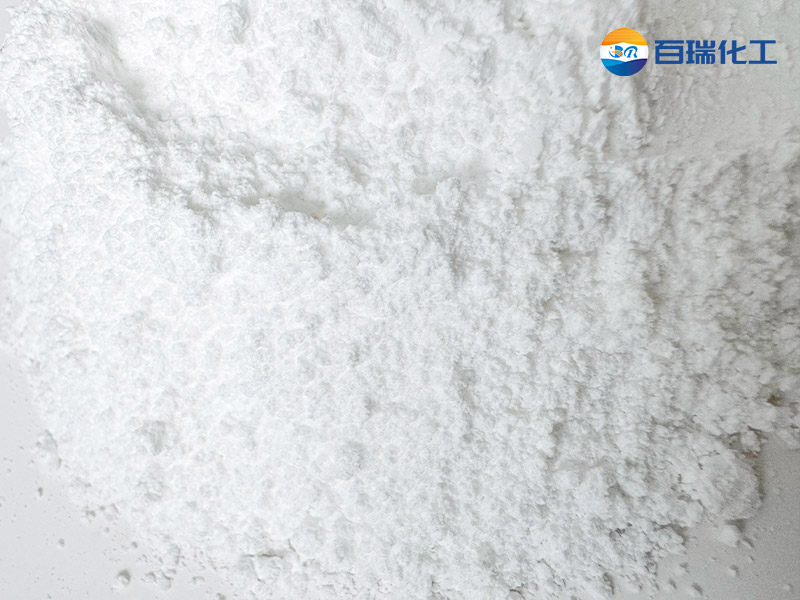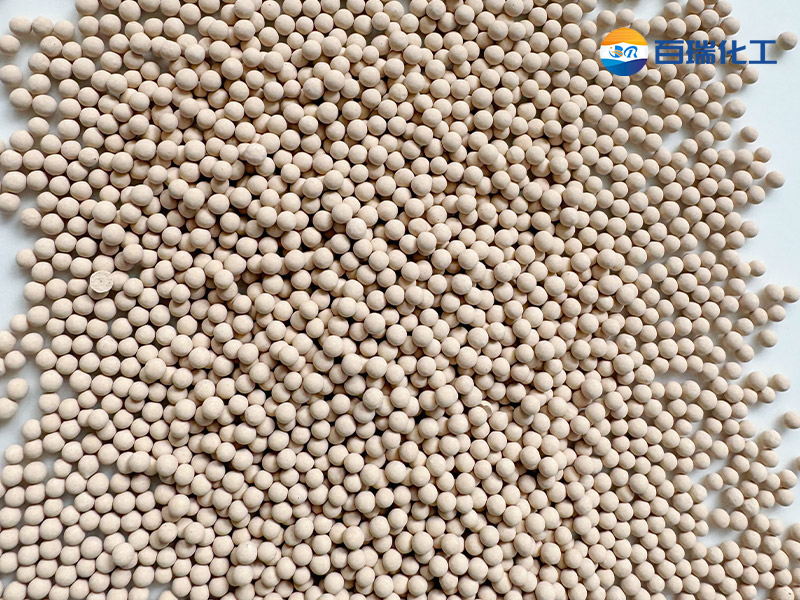


Among numerous adsorbent materials, activated alumina is one of the most widely used adsorbents in hydrogen peroxide production plants due to its excellent adsorption performance and stable chemical properties. Why is activated alumina so widely used in the hydrogen peroxide production process?
I. Activated Alumina Exhibits Excellent Adsorption Performance
Activated alumina is a porous material with a high specific surface area and abundant microporous structure, capable of effectively adsorbing moisture, polar impurities, and some organic matter. In the hydrogen peroxide production process, the raw material gas or reaction system often contains trace impurities, which may affect reaction efficiency or product quality.
Activated alumina, with its excellent adsorption capacity, can:
Remove moisture from the reaction system
Adsorb trace impurities and byproducts
Improve the purity of hydrogen peroxide products
Stabilize the operation of production equipment
For this reason, many hydrogen peroxide production plants use activated alumina adsorbents for purification and drying in key stages.
II. Excellent Chemical Stability
Hydrogen peroxide is a highly oxidizing chemical substance, requiring high stability from the adsorbent material. Instability in the adsorbent material can trigger side reactions or lead to rapid material failure.
Activated alumina possesses the following advantages:
Good chemical inertness
Strong oxidation resistance
Stable operation in complex chemical environments
These characteristics enable it to maintain stable structu.e and performance in hydrogen peroxide production environments, thereby extending the adsorbent's lifespan.
III. High Mechanical Strength, Suitable for Long-Term Operation in Industrial Plants
In industrial production, adsorbents typically need to withstand the impact of long-term gas or liquid flow. If the material strength is insufficient, it is prone to pulverization or breakage, thus affecting equipment operation.
Activated alumina possesses:
High compressive strength
Good wear resistance
Low abrasion rate
This enables it to operate stably for extended periods in hydrogen peroxide production plants, reducing replacement frequency and thus lowering production costs.
IV. Excellent Regeneration Performance
Unlike some disposable adsorbents, activated alumina possesses excellent regeneration capabilities. With appropriate regeneration processes, its adsorption performance can be restored and it can be reused.
Its advantages include: multiple regeneration options, reduced operating costs, and improved overall economic efficiency of the adsorption system.
This is particularly important for large-scale hydrogen peroxide production plants.
Frequently Asked Questions
Q1: Why are adsorbents needed in hydrogen peroxide production?
A: During the production process, trace amounts of moisture and impurities may be generated or introduced. These substances can affect reaction efficiency or product purity, therefore adsorbents are needed for purification.
Q2: Is activated alumina suitable for hydrogen peroxide production environments?
A: Yes. Activated alumina has good chemical stability and adsorption performance, and can be used stably for a long time in hydrogen peroxide production environments.
Q3: How to choose the appropriate activated alumina type?
A: Selection needs to be based on a comprehensive consideration of factors such as process conditions, gas or liquid composition, and adsorption requirements. It is recommended that a professional technician conduct an evaluation.
If you have any questions or needs regarding activated alumina for hydrogen peroxide, please feel free to contact Zibo Xiangrun Environmental Engineering Co., Ltd. – a professional alumina manufacturer.