

I. Why Are Hydrogenation Catalysts Inseparable from Pseudo Boehmite?
Hydrogenation catalysts typically consist of two parts: active components (such as Co, Mo, Ni, W metal sulfides or precious metals) and a support. Pseudo boehmite (which transforms into γ-Al₂O₃ after calcination) has become the preferred material for hydrogenation catalyst supports due to the following characteristics:
1. High Specific Surface Area, Providing an Ideal Platform for Active Component Dispersion
High-quality pseudo boehmite can achieve a specific surface area of 260-350 m²/g or more after calcination.
The high specific surface area ensures that the active metal components are highly dispersed at the nanoscale, improving catalytic efficiency.
For precious metal catalysts, high dispersion directly translates to reduced precious metal usage and cost savings.
2. Suitable Pore Structure, Meeting the Reaction Requirements of Different Molecular Sizes
The pore volume and pore size of pseudo boehmite can be precisely controlled through production processes.
Small-pore type: Suitable for small-molecule reactions such as naphtha hydrogenation and distillate hydrogenation.
Large-pore type: Suitable for scenarios where diffusion of large molecules is critical, such as heavy oil hydrogenation and residue hydrogenation.
3. Excellent Peptizability and Formability
Pseudo boehmite can form a stable sol under acidic conditions, imparting good formability to the catalyst.
In forming processes such as extrusion, oil drop, and spray granulation, pseudo boehmite acts as a binder to provide mechanical strength.
The finished catalyst exhibits high compressive strength and abrasion resistance, adapting to different reactor conditions such as fixed beds and ebullated beds.
4. Tunable Surface Chemical Properties
The acidity/basicity of the support surface affects the metal-support interaction and the catalytic reaction pathway.
Surface properties can be further optimized through modification (e.g., introducing Si, Ti, P and other additives).
II. Indicator Requirements for Pseudo Boehmite in Hydrogenation Catalysts
Different types of hydrogenation processes have significantly different requirements for pseudo boehmite. The following are key indicators from Zibo Xiangrun and their impact:
Indicator | Typical Range | Impact on Catalyst Performance |
Na₂O Content | <0.05% (high-purity grade) | Sodium is a catalyst poison that reduces activity and causes carbon deposition. Low-sodium products are a necessity for high-end hydrogenation catalysts. |
Specific Surface Area | 260-350 m²/g | Affects the dispersion of active metals. Too high may lead to reduced pore volume, requiring balance. |
Pore Volume | 0.3-1.2 cm³/g | Determines the diffusion efficiency of large molecules. Heavy oil hydrogenation requires high pore volume products. |
Peptizability Index | >97% | Affects formability and catalyst strength. |
Impurities (Fe, SiO₂, etc.) | <0.03% | Impurities may trigger side reactions or lead to catalyst deactivation. |
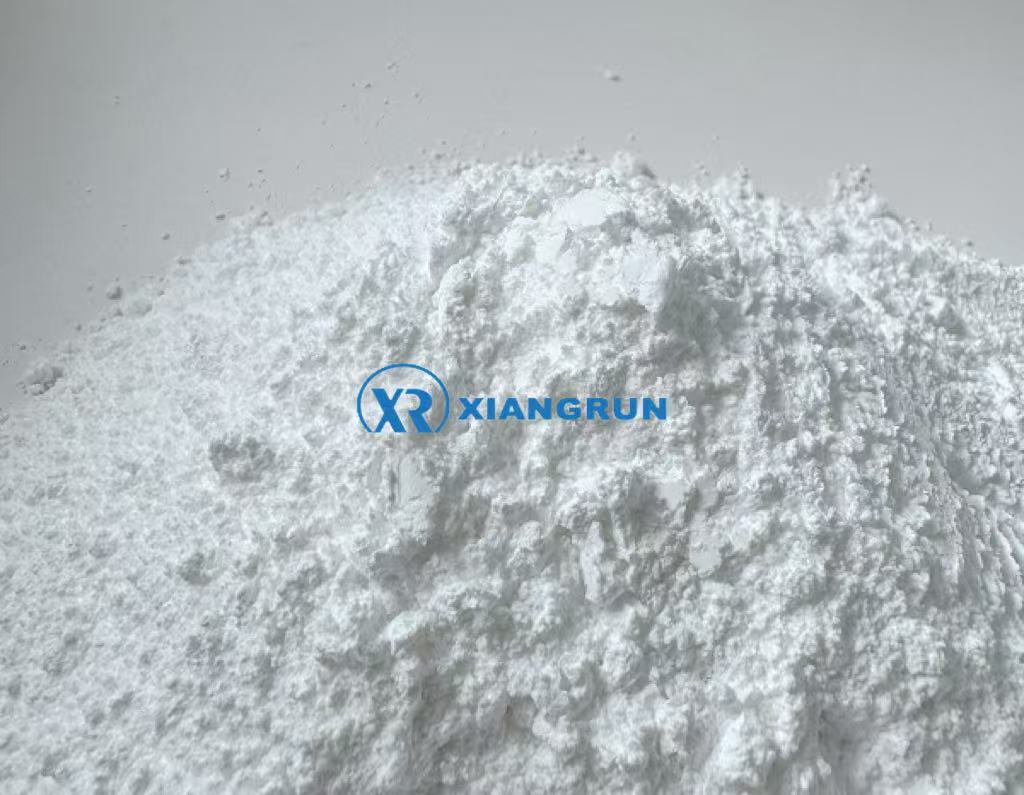
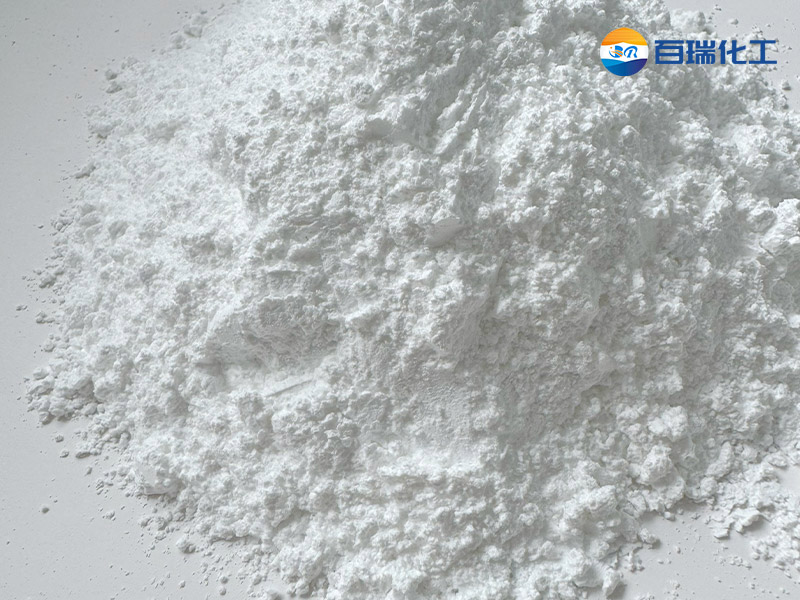
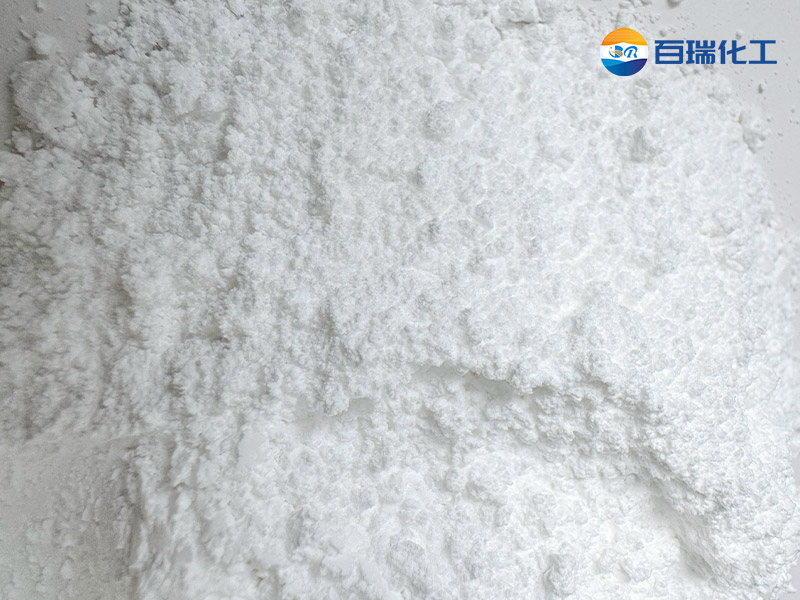
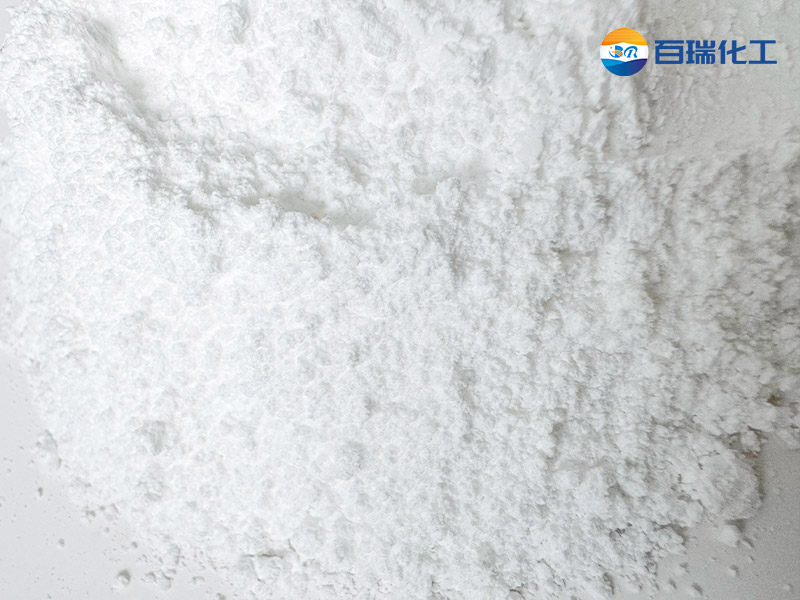
Zibo Xiangrun Environmental Engineering Co., Ltd. produces high-quality pseudo boehmite. Our pseudo boehmite is a high-performance white powder manufactured using advanced processes, featuring: adjustable pore structure (high porosity / medium porosity), moderate bulk density, excellent flowability, and superior fluidization characteristics.
Our main products include: pseudo boehmite, large-pore pseudo boehmite, medium-pore pseudo boehmite, low-sodium pseudo boehmite, and high-silica pseudo boehmite. Our pseudo boehmite provides high-quality solutions for various industries.
If you have any questions or needs regarding pseudo boehmite, please feel free to contact Zibo Xiangrun Environmental Engineering Co., Ltd. — a professional alumina manufacturer.