

In the modern petrochemical, refining, and environmental protection industries, the performance of a catalyst depends not only on its active components but is also closely linked to the catalyst support material employed. Selecting an appropriate support can significantly enhance catalytic efficiency, extend service life, and reduce operating costs.
Among the multitude of available materials, activated alumina is widely utilized across various industrial settings due to its exceptional comprehensive performance. This article compares alumina with other common catalyst supports to assist enterprises in selecting the solution best suited to their specific processes.
What is an Alumina Catalyst Support?
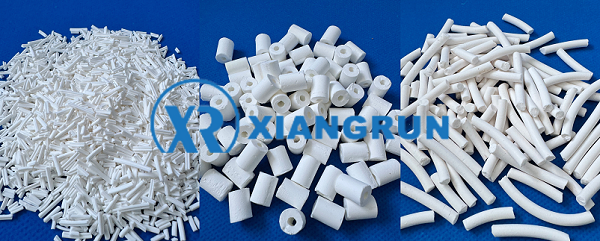
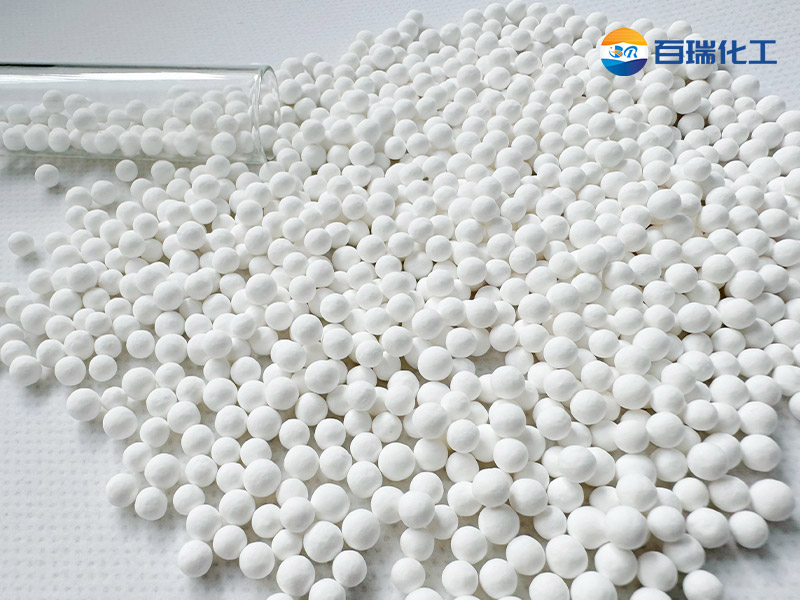
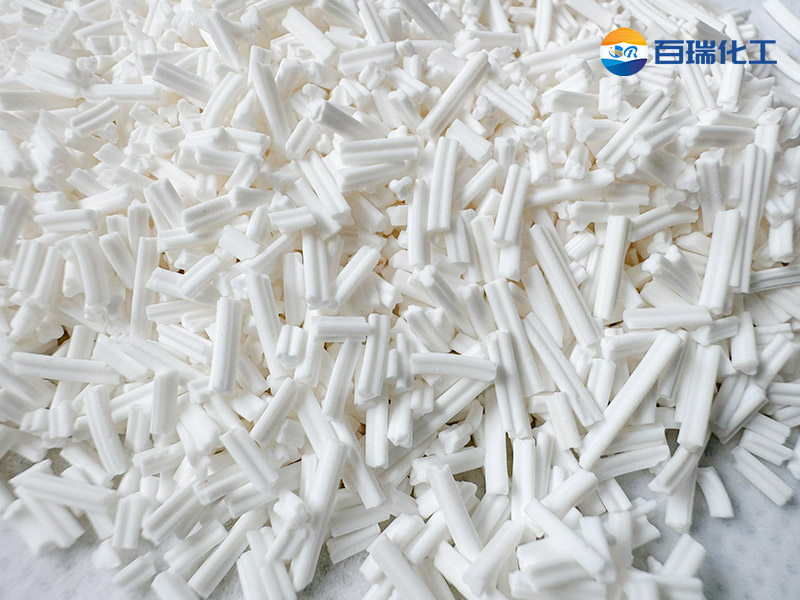
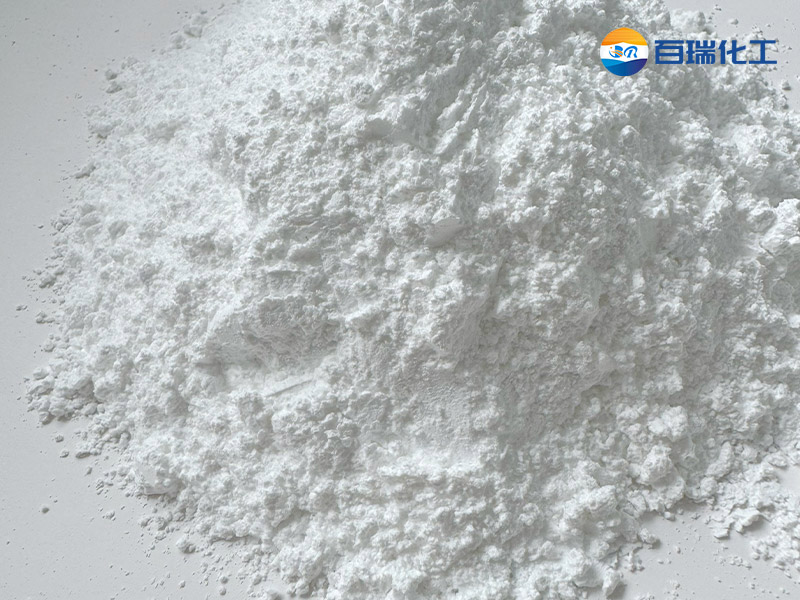
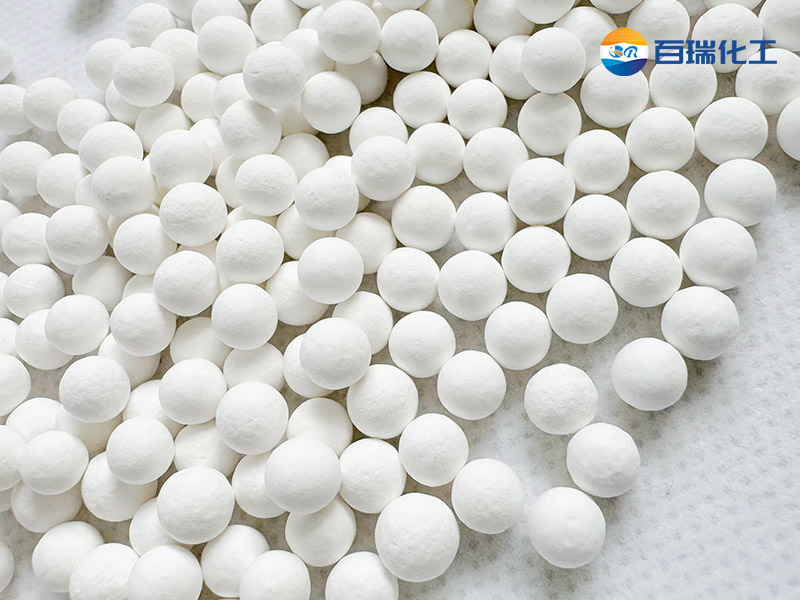
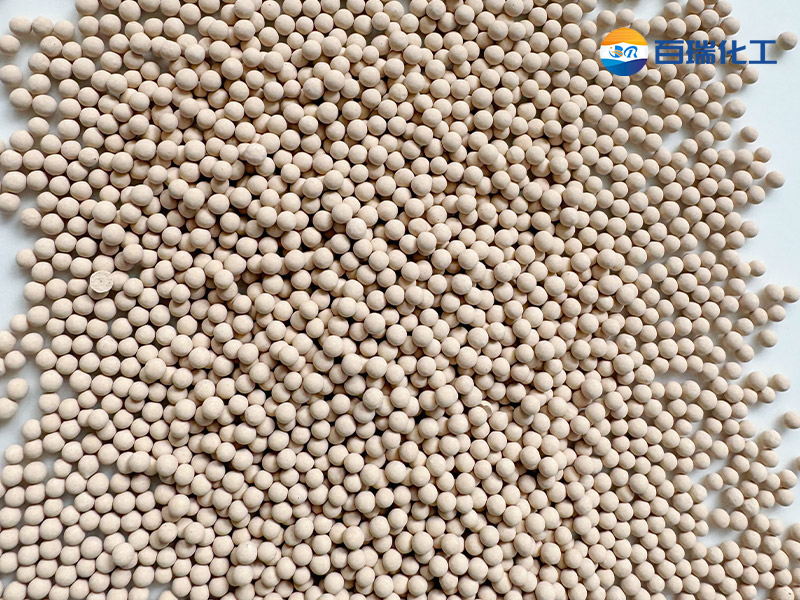
Activated alumina is a porous alumina material characterized by a high specific surface area and a favorable pore size distribution; it is widely utilized in the fields of catalyst supports, adsorbents, and desiccants.
Its primary advantages include:
A high specific surface area, which facilitates the dispersion of active components;
An adjustable pore structure, allowing it to be tailored to meet the requirements of various reactions;
Excellent mechanical strength, making it suitable for use in fixed-bed reactors;
Good thermal and chemical stability.
These characteristics make it an ideal alumina catalyst support.
Common Types of Catalyst Supports
In addition to alumina, common catalyst supports used in industry include:
Silica gel: Possesses a high specific surface area but relatively low mechanical strength.
Molecular sieves: Feature a microporous structure characterized by high selectivity.
Activated carbon: Exhibits excellent adsorption properties and is well-suited for organic systems.
Ceramic supports: Are highly resistant to high temperatures and are frequently utilized in structured catalysts.
Different materials are suitable for different process environments and reaction requirements.
Comparison of Activated Alumina with Other Supports
1. Specific Surface Area and Pore Structure
Activated alumina typically possesses a mesoporous structure, striking a balance between diffusivity and catalytic activity.
• Molecular Sieves: Microporous structure; offers high selectivity but limited diffusion.
• Silica Gel: High specific surface area, but its pore structure stability is relatively weak.
• Activated Carbon: Features a broad pore size distribution, though it is often non-uniform.
Conclusion: Activated alumina holds distinct advantages in terms of versatility and adaptability.
2. Mechanical Strength
In fixed-bed reactors or high-pressure operating environments, the mechanical strength of the support is of paramount importance:
• Activated Alumina: Exhibits high compressive strength and a low attrition rate.
• Silica Gel: Relatively brittle and prone to fragmentation.
• Activated Carbon: Tends to pulverize (turn to dust) under high-pressure conditions.
Conclusion: Activated alumina is better suited for long-term, stable operation.
3. Thermal and Chemical Stability
• Activated Alumina: Demonstrates excellent resistance to high temperatures and corrosion.
• Molecular Sieves: Relatively sensitive to high temperatures and water vapor.
• Activated Carbon: Prone to oxidation at elevated temperatures.
Conclusion: Under harsh operating conditions, alumina-based supports perform more reliably.
4. Synergistic Adsorption and Catalytic Capabilities
Activated alumina serves not only as a support material but also possesses inherent adsorption capabilities:
• It can be utilized for applications such as gas drying, fluoride removal, and dechlorination.
• It helps to enhance the dispersion of the active catalytic components.
Conclusion: By offering a dual "support + adsorption" function, it enables a wider range of applications.
5. Cost and Industrial Applicability
• Activated Alumina: Offers high cost-effectiveness and a long service life.
• Molecular Sieves: Involve relatively high costs.
• Ceramic Supports: Entail high processing costs.
Conclusion: Alumina-based supports achieve an optimal balance between performance and cost.
Typical Applications of Activated Alumina Catalyst Carriers
Activated alumina catalyst carriers are widely utilized in:
Hydrorefining and hydrocracking processes
Gas drying and purification systems
Purification processes such as desulfurization and dechlorination
Environmental remediation and tail gas treatment
They serve as essential catalyst carrier materials within the petrochemical and gas processing sectors.
Zibo Xiangrun Environmental Engineering Co., Ltd. specializes in the R&D and production of high-performance activated alumina and catalyst carriers, with products extensively applied across the petrochemical, environmental protection, and gas processing industries. Through rigorous quality control and customized services, we assist clients in enhancing plant efficiency, extending catalyst lifespan, and reducing overall operational costs.
If you have any inquiries or requirements regarding alumina catalyst carriers, please feel free to contact Zibo Xiangrun Environmental Engineering Co., Ltd.—your professional manufacturer of alumina products.