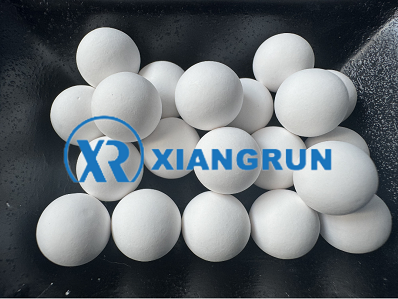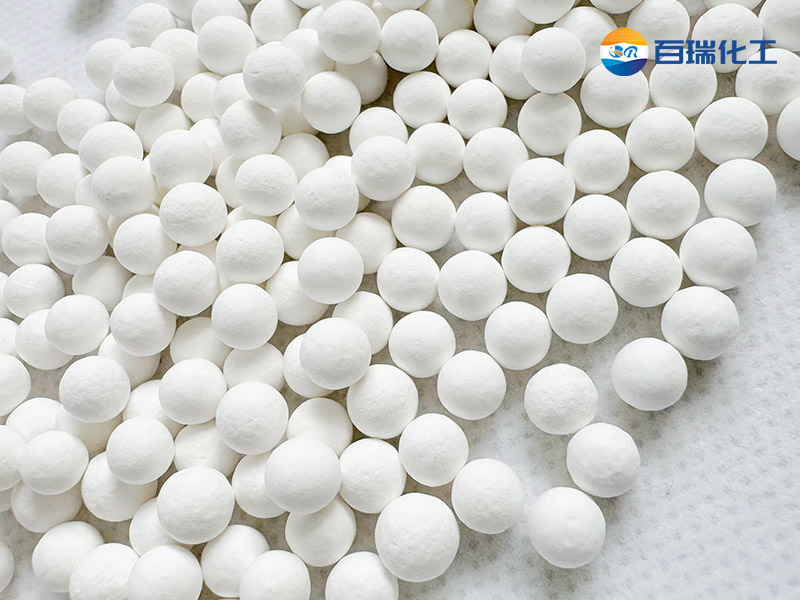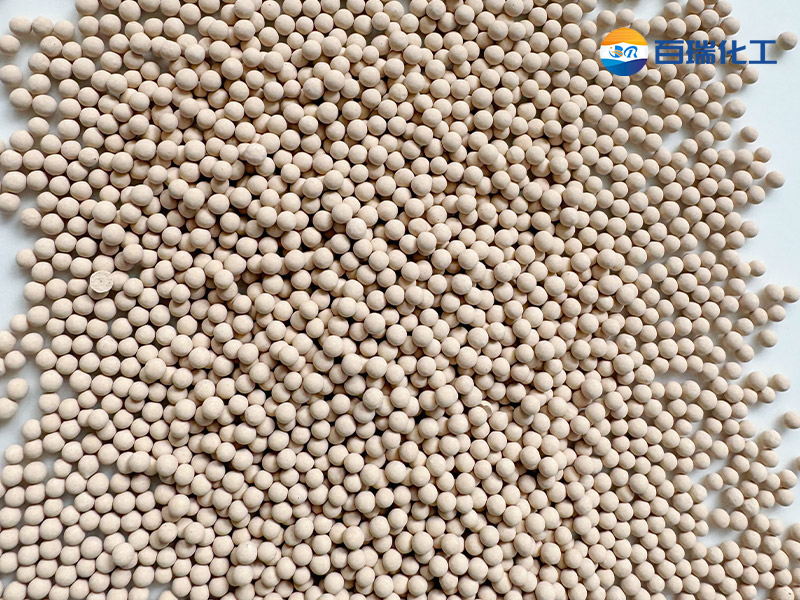


High-quality alumina ceramic balls are characterized by high strength, high-temperature resistance, corrosion resistance, and low abrasion; however, during actual operation, some enterprises still encounter issues such as ceramic ball breakage, pulverization, severe wear, or elevated pressure drop. These problems not only compromise the stable operation of the unit but may also lead to catalyst deactivation, system clogging, or even plant shutdown for maintenance. Therefore, understanding the underlying causes of ceramic ball breakage and pulverization—and implementing appropriate solutions—is crucial for reducing operating costs and extending equipment service life.
I. Why Do Alumina Ceramic Balls Fracture and Pulverize?
1. Insufficient Mechanical Strength
Some low-quality alumina ceramic balls undergo insufficient sintering during the manufacturing process, resulting in a porous internal structure and, consequently, inadequate compressive strength.
When the packing height within a reactor is substantial, or when the balls are subjected to the weight of a catalyst bed over extended periods, they become prone to cracking, fracturing, or even pulverization.
Common manifestations include:
· Localized bed collapse
· Gradual increase in pressure drop
· Generation of significant amounts of dust
· Clogging of downstream equipment
2. Cracking Caused by Thermal Shock
Under high-temperature operating conditions, frequent system startups and shutdowns—or excessively rapid rates of heating and cooling—can induce thermal stress within the alumina ceramic balls.
Problems are particularly likely to arise in the following scenarios:
· Furnace outlets
· High-temperature desulfurization systems
· The regeneration phase of PSA (Pressure Swing Adsorption) systems
· Catalytic cracking units
Following prolonged thermal cycling, micro-cracks may appear on the surface of the ceramic balls, ultimately leading to fracture.
3. Improper Packing Methods
In many industrial units, damage to ceramic balls is not attributable to defects in the product itself, but rather to improper packing procedures.
Examples include:
· Direct dumping from significant heights
· Localized, concentrated impact forces
· Improper mixing of balls with disparate particle sizes
· Uneven distribution within the packed bed
These situations create excessive localized stress, triggering fractures.
4. Chemical Corrosion and Media Effects
In environments containing acidic, alkaline, sulfur-bearing, or chlorine-bearing media, low-quality alumina ceramic balls may be susceptible to corrosion.
This is particularly true in the following environments:
· Aqueous acidic gas streams
· Chloride-rich environments
· Strong alkaline solutions
· High-humidity, high-temperature operating conditions
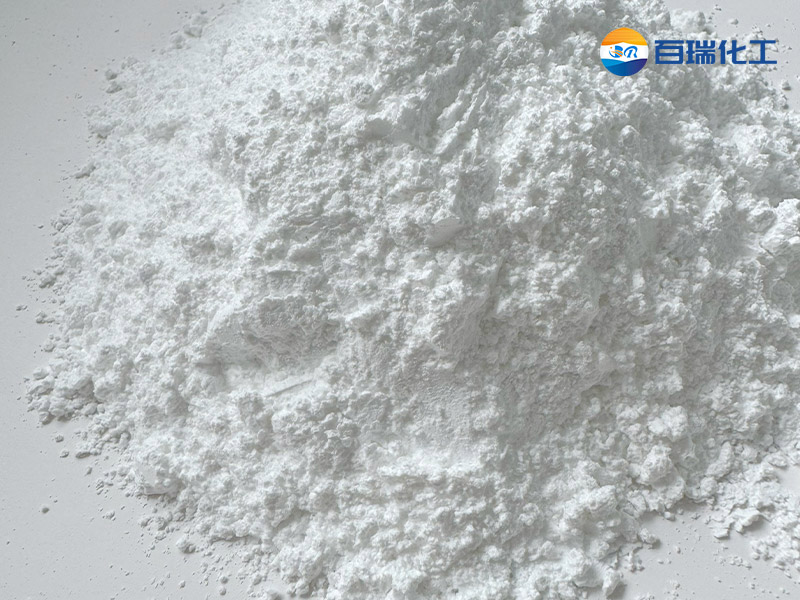
After prolonged operation, the surface of the ceramic balls gradually loses its structural density, eventually leading to pulverization.
5. Long-term Abrasion and Gas Flow Erosion
Under conditions involving high-velocity gas flows or frequent operational switching, the ceramic balls are subjected to continuous friction and collision against one another.
If the product lacks sufficient abrasion resistance, prolonged operation can result in the generation of fine powder, leading to:
· Increased pressure drop across the bed
· Uneven gas flow distribution
· Contamination of the catalyst
· Increased system energy consumption
II. What are the consequences of alumina ceramic ball breakage and pulverization?
Once alumina ceramic balls undergo significant breakage, the operational stability of the entire system is directly compromised.
The primary impacts include:
● Increased Pressure Drop
Fine particles resulting from fragmentation can clog the voids within the packed bed, leading to increased system resistance.
● Catalyst Contamination
Pulverized particles may coat the surface of the catalyst, thereby reducing catalytic efficiency.
● Deterioration of Gas Flow Distribution
Disruption of the packed bed structure makes the formation of flow channeling and bypassing more likely.
● Increased Equipment Maintenance Costs
Frequent system shutdowns for cleaning and packing replacement result in increased labor costs and production losses.
III. Zibo Xiangrun Alumina Ceramic Ball Solutions
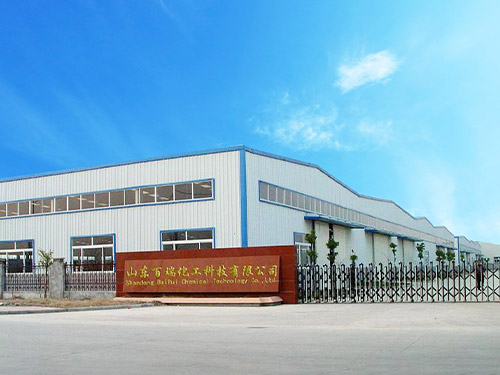
As a specialized supplier of alumina products, Zibo Xiangrun Environmental Engineering Co., Ltd. manufactures alumina ceramic balls characterized by high strength, low abrasion, high-temperature resistance, and excellent chemical stability. These products are widely applicable across various sectors, including petrochemicals, natural gas, fertilizers, environmental protection, and catalyst support systems.
Utilizing premium raw materials and a robust sintering process, our products effectively minimize the risk of breakage and pulverization, ensuring stable performance even under conditions of high temperature, high pressure, and complex operating environments. Furthermore, we offer a range of size and alumina content options tailored to the specific requirements of different industrial units, thereby assisting clients in optimizing their reactor bed structures and reducing long-term operational costs. Should you have any inquiries or requirements regarding alumina ceramic balls, we invite you to contact Zibo Xiangrun Environmental Engineering Co., Ltd.—your professional manufacturer of alumina products.