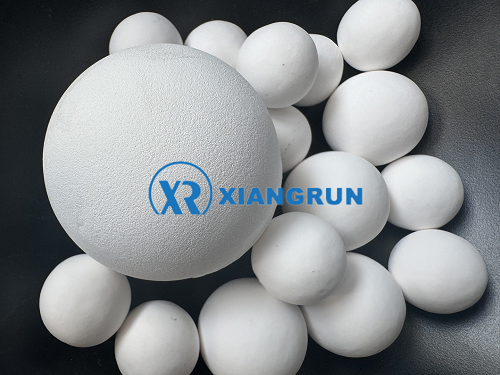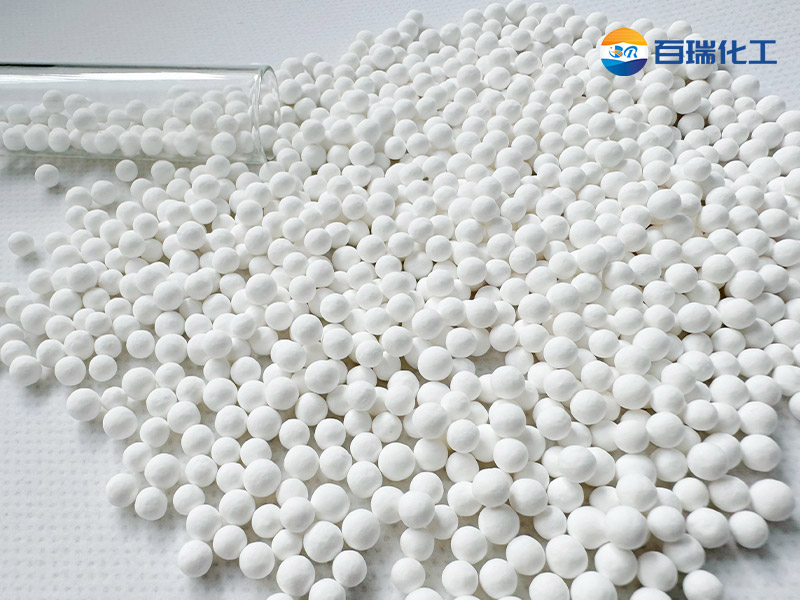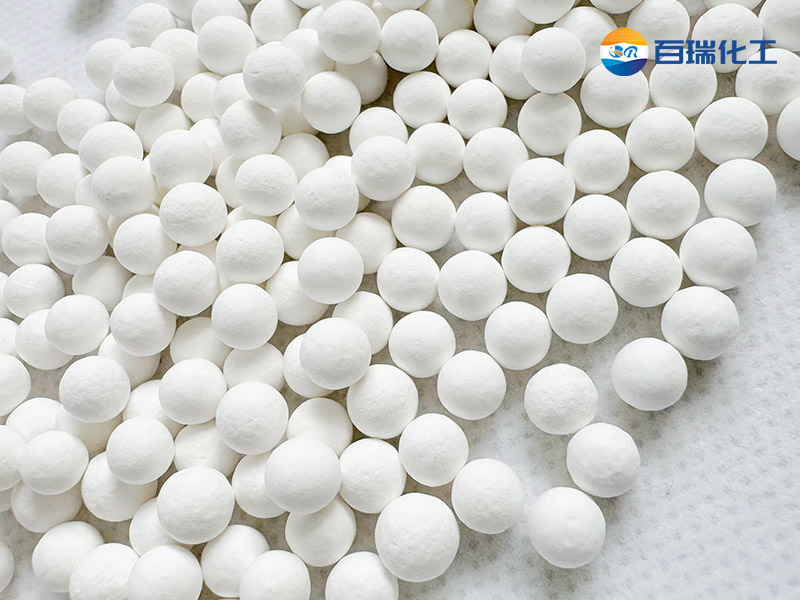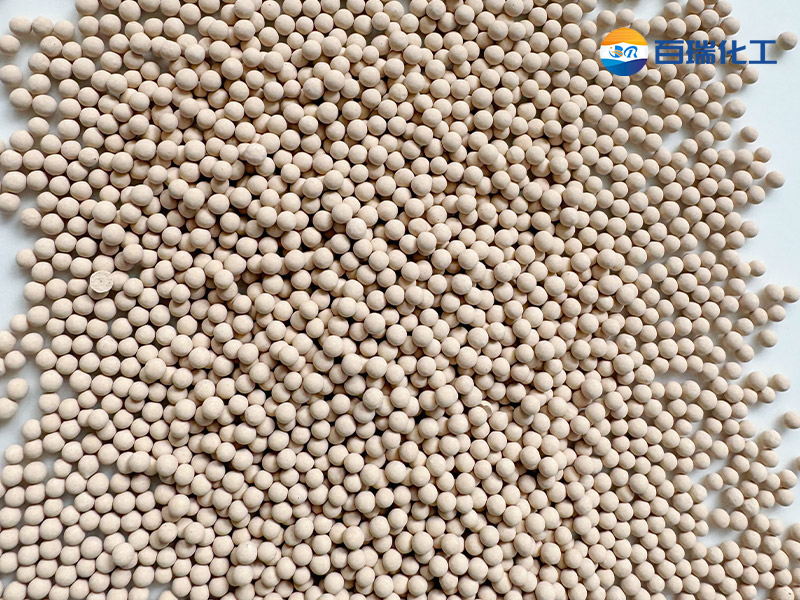


In catalytic systems, inert alumina ceramic balls serve as both bottom support layers and capping materials, playing a crucial role in supporting the catalyst, ensuring uniform distribution of gas and liquid flows, and protecting the reactor. Compared to ordinary ceramic materials, high-performance alumina ceramic balls—distinguished by their exceptional mechanical strength, high-temperature resistance, and chemical stability—have become an indispensable key packing material in modern industrial reactors.
I. Why Are Alumina Ceramic Balls Required in Catalyst Beds?
Catalysts are typically expensive and are susceptible to various factors during operation, including:
· High-temperature shock
· Gas flow erosion
· Pressure fluctuations
· Liquid corrosion
· Mechanical vibration
If a stable support layer is absent, the following issues may easily arise:
· Catalyst bed collapse
· Increased pressure drop
· Gas flow channeling
· Catalyst pulverization
· Decreased reaction efficiency
Inert alumina ceramic balls, however, form a stable support structure that helps distribute the load on the catalyst evenly, thereby ensuring the long-term, stable operation of the entire reaction system.
II. Key Reasons Why Inert Alumina Ceramic Balls Are Ideal for Catalyst Support Layers
1. High Compressive Strength: Capable of Sustaining Catalyst Weight Over the Long Term
The catalyst loading in industrial reactors is typically massive; therefore, the bottom support material must possess exceptionally high compressive strength.
High-quality, high-alumina ceramic balls feature:
• Extremely high pressure resistance
• High resistance to fragmentation
• No structural collapse during prolonged operation
Even within large-scale fixed-bed reactors, they maintain structural stability over extended periods, thereby reducing the frequency of equipment shutdowns for maintenance.
2. Excellent High-Temperature Resistance
Many catalytic reactions occur at temperatures reaching several hundred degrees Celsius, where ordinary materials are prone to cracking due to thermal expansion and contraction.
Inert alumina ceramic balls offer:
• Excellent thermal stability
• Strong resistance to thermal shock
• No deformation at high temperatures
• High resistance to pulverization
3. Stable Chemical Properties: Non-Reactive
As an "inert" material, alumina ceramic balls do not undergo chemical reactions with:
• Acidic media
• Alkaline media
• Organic solvents
• Process gases
This ensures that the support material does not contaminate the catalyst or compromise the efficiency of the process reaction, allowing for stable, long-term operation.
4. Optimized Gas and Liquid Flow Distribution
In fixed-bed reactors, the uniform distribution of gas and liquid phases is critical.
When properly graded and packed, alumina ceramic balls create:
• A stable void structure
• Excellent fluid distribution
• More uniform gas flow pathways
This effectively minimizes:
• Flow maldistribution
• Channeling
• Localized hot spots
• Abnormal pressure drops
Ultimately enhancing catalyst utilization efficiency.
5. Effective Protection for Catalysts and Equipment
Inert alumina ceramic balls also serve a protective buffering function by:
• Reducing the direct impact of gas flow on the catalyst bed
• Preventing the leakage of catalyst particles
• Protecting the reactor's support screens/plates
• Extending the service life of the equipment
This is particularly crucial in large-scale petrochemical facilities.
III. How to Select the Appropriate Catalyst Support Ceramic Balls?
Key factors to consider during selection include:
Operating Temperature
For high-temperature units, products with a high alumina content are recommended.
Pressure Load
Large-scale reactors require higher compressive strength.
Corrosiveness of the Medium
Acidic or alkaline operating environments necessitate superior corrosion resistance.
Bed Structure
The appropriate grading of ceramic balls should be selected based on the particle size of the catalyst.
Service Life
While high-quality products may entail slightly higher upfront costs, they ensure greater stability during long-term operation.
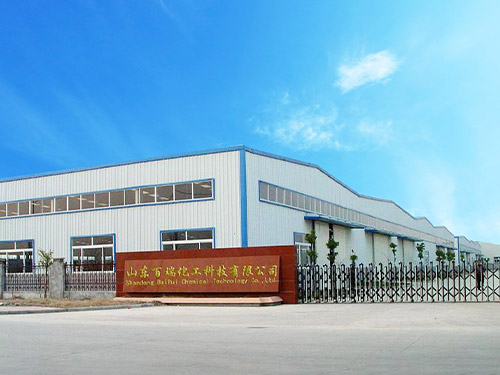
As a professional supplier of alumina materials, Zibo Xiangrun Environmental Engineering Co., Ltd. has long focused on the R&D and production of inert alumina ceramic balls, activated alumina, catalyst carriers, and industrial adsorption materials. Our products are widely utilized in fields such as:
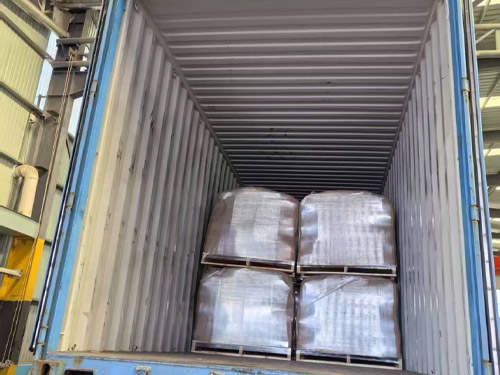
Petrochemicals, natural gas purification, PSA oxygen and nitrogen generation, and coal chemicals. We also offer customized specifications and export-grade packaging solutions to help clients enhance the stability of their facilities and reduce long-term operating costs. If you have any questions or requirements regarding alumina ceramic balls, please feel free to contact Zibo Xiangrun Environmental Engineering Co., Ltd.—your professional manufacturer of alumina products.