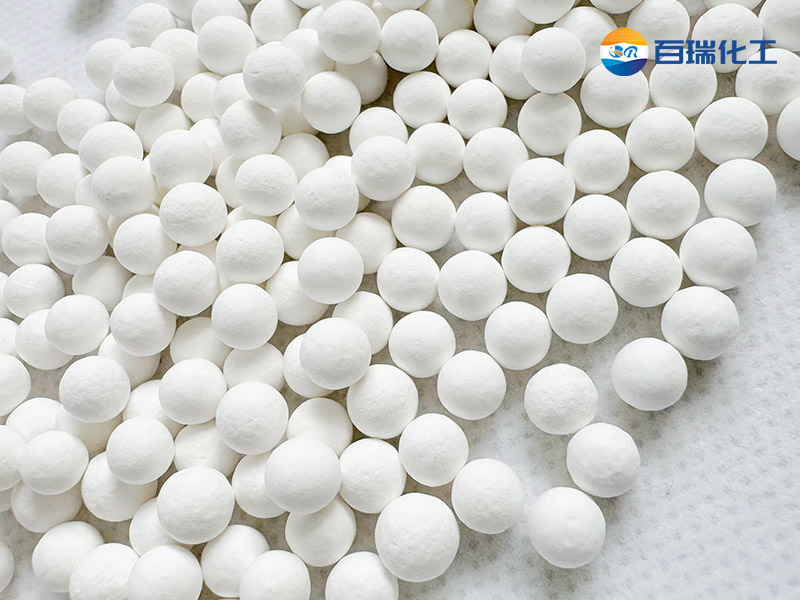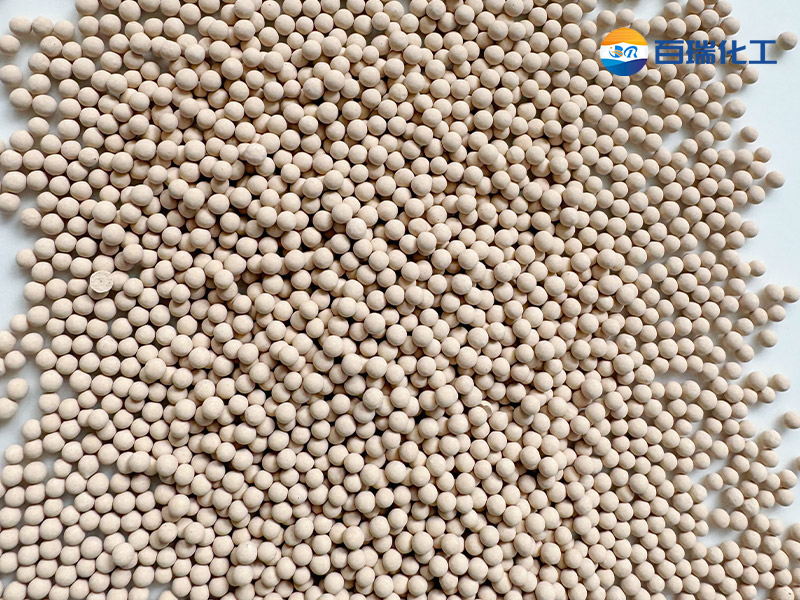


With the growing demand for large-scale air separation units, high-pressure oxygen generation systems, and continuous production operations, traditional adsorbents are increasingly unable to meet the requirements for long-cycle operation; consequently, high-strength activated alumina is becoming the preferred choice for a growing number of air separation enterprises.
Why is air pretreatment essential for air separation units?
Atmospheric air naturally contains significant amounts of moisture and carbon dioxide, as well as trace impurities. If these components enter the cryogenic air separation system directly, the extremely low temperatures can easily cause ice blockages or crystallization, leading to:
·Pipeline blockages
·Reduced heat exchanger efficiency
·Frozen valves
·Increased system pressure drop
·Higher energy consumption
·Elevated risk of equipment shutdown
Therefore, prior to entering the cold box, the air must undergo thorough dehydration using activated alumina adsorbents.
Why Do Air Separation Units Require High-Strength Activated Alumina?
1. Minimizing Pulverization and Preventing System Clogging
Air separation units typically operate continuously, 24 hours a day; consequently, the interior of the adsorption towers is constantly subjected to gas flow impact and pressure switching cycles. If the mechanical strength of the activated alumina is insufficient, the following issues are prone to occur:
· Particle fragmentation
· Surface abrasion
· Increased dust generation
Once these fine particles enter the system, they can cause filter clogging and elevated pressure drops, potentially even disrupting the normal operation of downstream molecular sieves.
High-strength activated alumina features a lower attrition rate, effectively mitigating pulverization issues and enhancing overall system stability.
2. Extending the Service Life of Adsorption Towers
Standard activated alumina is susceptible to structural damage during frequent regeneration cycles, whereas high-strength activated alumina maintains a stable pore structure under high-temperature regeneration and cyclic operating conditions.
This translates to:
· Slower decay of adsorption capacity
· Longer replacement intervals
· Lower maintenance costs
· Reduced frequency of system shutdowns
For large-scale air separation enterprises, this can significantly reduce overall operating costs.
3. Maintaining Stable Dew Point Control
Air separation systems impose extremely stringent requirements on dew point levels. Any decline in dehydration efficiency can lead to ice formation within the cryogenic sections of the system.
High-performance activated alumina offers:
· Higher static adsorption capacity
· Faster adsorption kinetics
· More stable dynamic adsorption performance
These attributes enable air separation equipment to maintain stable, low-dew-point operation over the long term, thereby boosting the efficiency of oxygen and nitrogen production systems.
4. Adapting to High-Gas-Flow Conditions in Large-Scale Air Separation Units
Modern air separation equipment is trending toward larger scales and higher flow rates, which entails:
· Higher gas velocities
· Greater impact forces
· More frequent switching cycles
Standard adsorbents are prone to bed collapse or particle attrition under such conditions; however, high-strength activated alumina maintains bed stability and minimizes the risk of gas channeling.
5. Reducing System Operating Energy Consumption
When activated alumina undergoes pulverization or causes clogging, it leads to:
· Elevated pressure drops
· Increased blower loads
· Higher energy consumption for regeneration
Thanks to its stable pore structure and low pulverization rate, high-strength activated alumina helps air separation systems maintain lower pressure drops, thereby reducing overall energy consumption.
Zibo Xiangrun Activated Alumina Solutions for Air Separation
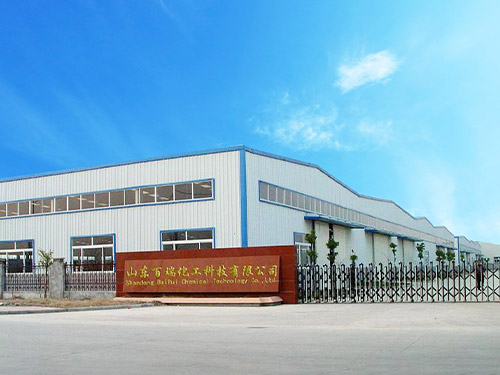
As a specialized manufacturer of alumina adsorbents, Zibo Xiangrun Environmental Engineering Co., Ltd. has long provided high-performance activated alumina products to the fields of air separation, industrial oxygen and nitrogen generation, and gas drying.
Our activated alumina products specifically designed for air separation applications feature:
· High mechanical strength
· Low attrition rate (minimal dusting)
· High adsorption capacity
· Stable performance over long operating cycles
By optimizing our raw materials and sintering processes, Zibo Xiangrun’s activated alumina helps customers reduce operating costs while enhancing equipment stability and service life. If you have any questions or requirements regarding activated alumina for air separation units, please feel free to contact Zibo Xiangrun Environmental Engineering Co., Ltd.—your professional manufacturer of alumina products.