

In processes involving compressed air drying, air separation, natural gas dehydration, and industrial gas purification, the dew point serves as a critical metric for assessing the dryness of a gas. When selecting an adsorbent, many users face a common dilemma: which material—activated alumina or molecular sieves—is the right choice?
Activated Alumina: Dew Point Capabilities
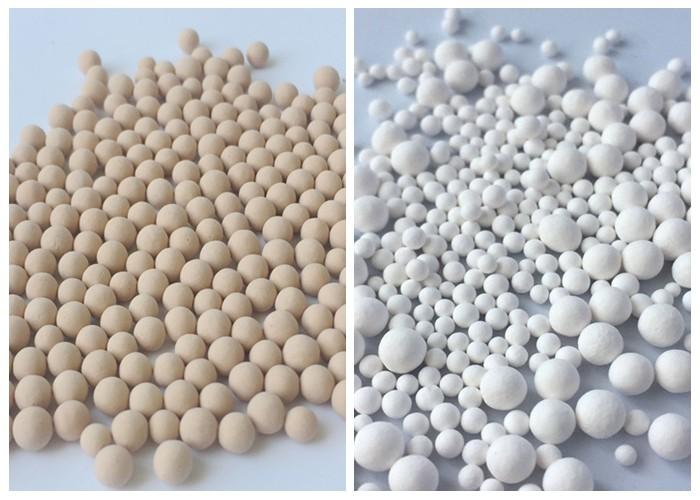
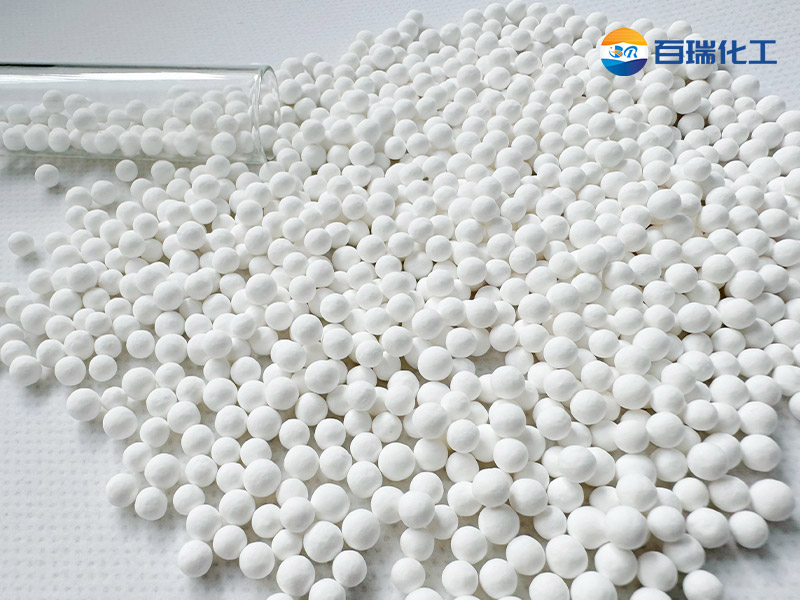
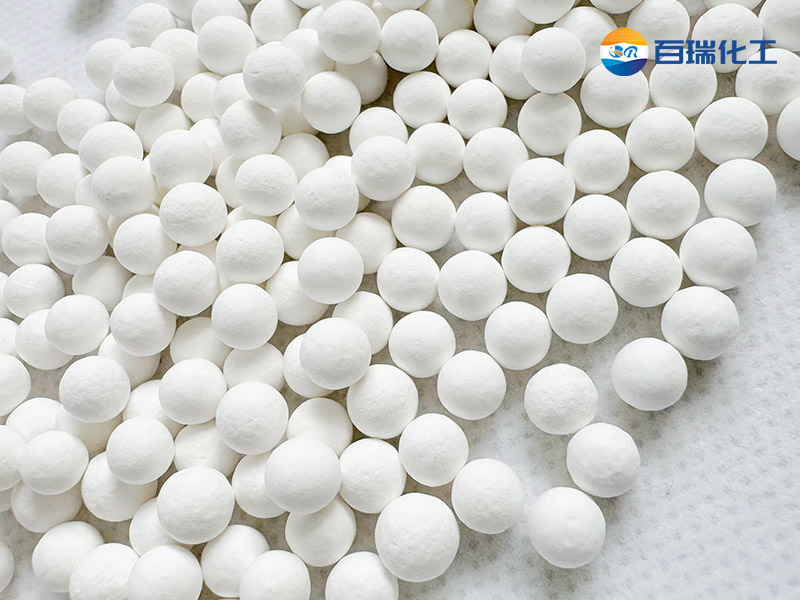
Activated alumina is a porous adsorbent material characterized by a large specific surface area and exceptional water absorption capacity.
Key Features
· High adsorption capacity
· High mechanical strength
· Excellent abrasion resistance
· Capable of multiple regeneration cycles
· High cost-effectiveness
Applicable Dew Point Range
Typically, activated alumina can reliably achieve:
Pressure Dew Point: Approximately -40°C
Consequently, activated alumina is ideally suited for applications such as:
· Compressed air dryers
· Instrument air systems
· General industrial gas dehydration
· Pre-treatment stages for oxygen generation units
For the majority of industrial users, activated alumina is fully capable of meeting production requirements while offering lower operating costs.
Molecular Sieve Dew Point Capabilities
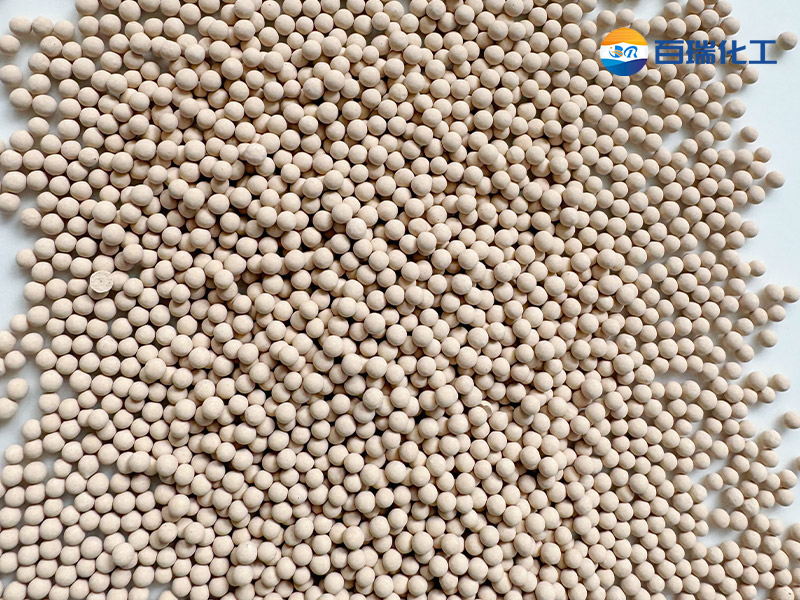
Molecular sieves possess a regular microporous structure and exhibit an exceptionally strong selective adsorption capacity for water molecules.
Common Types:
·4A Molecular Sieve
·13X Molecular Sieve
·5A Molecular Sieve
·3A Molecular Sieve
Key Features:
·Extremely low residual moisture levels
·Powerful deep-dehydration capability
·Excellent adsorption performance for trace moisture
·Suitable for ultra-low dew point operating conditions
Applicable Dew Point Range:
Molecular sieves can typically achieve:
Dew points ranging from -60°C to -80°C
Consequently, they are widely utilized in:
·Air Separation Units (ASU)
·LNG Natural Gas Liquefaction
·PSA Oxygen and Nitrogen Generation Equipment
·High-Purity Hydrogen Drying
·Semiconductor Electronic Gas Purification
How to Select the Right Adsorbent Based on Dew Point Requirements?
Dew Point Requirement: ≥ -40°C
Recommended Choice:
Activated Alumina
Reasons:
· Lower cost
· High mechanical strength
· Long service life
· Low energy consumption for regeneration
Suitable for most industrial compressed air systems.
Dew Point Requirement: -40°C to -60°C
Recommended Solution:
Activated Alumina + Molecular Sieve Combination Bed
Typical Configuration:
· Upper layer: Activated Alumina
· Lower layer: 4A or 13X Molecular Sieve
Advantages:
· Activated alumina removes the majority of moisture first
· Molecular sieves handle deep dehydration
· Reduces the load on the molecular sieves
· Extends the service life of the adsorbents
This is the most common design solution found in air separation equipment and twin-tower adsorption dryers.
Dew Point Requirement: ≤ -60°C
Recommended Choice:
Molecular Sieves
Reasons:
· Superior deep dehydration capability
· Capable of achieving ultra-low dew points
· Meets the requirements for high-purity gas production
Typical Applications Include:
· Cryogenic air separation
· LNG plants
· Specialty electronic gas systems
· Ultra-pure nitrogen production
Zibo Xiangrun Air Treatment Adsorbent Solutions
To address varying dew point requirements, Zibo Xiangrun Environmental Engineering Co., Ltd. offers comprehensive adsorbent solutions for air treatment:
· ALUSORB Series Activated Alumina: Suitable for compressed air drying, industrial gas dehydration, and air purification systems;
· 4A and 13X Molecular Sieves: Designed to meet demands for deep dehydration and ultra-low dew points;
· Activated Alumina + Molecular Sieve Combination Bed Design: Helps users reduce operating costs and enhance system stability.
By carefully selecting the appropriate adsorbent type and bed configuration, it is possible not only to achieve the target dew point but also to significantly reduce energy consumption, minimize the frequency of adsorbent replacement, and boost the overall operational efficiency of the air treatment system. If you have any questions or requirements regarding activated alumina or molecular sieves, please feel free to contact Zibo Xiangrun Environmental Engineering Co., Ltd.—your professional manufacturer of alumina products.