

Fundamental Principles of Activated Alumina and Molecular Sieves
Activated Alumina
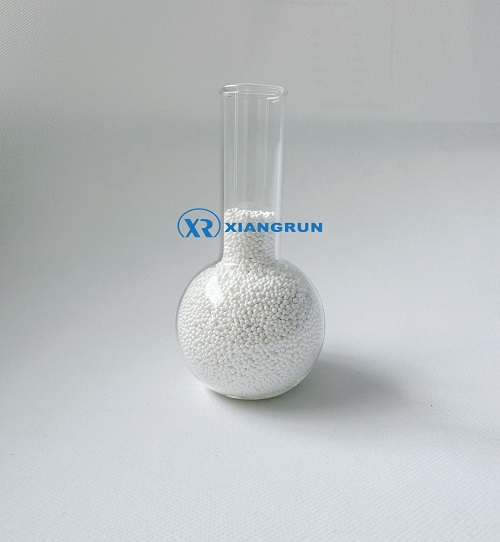
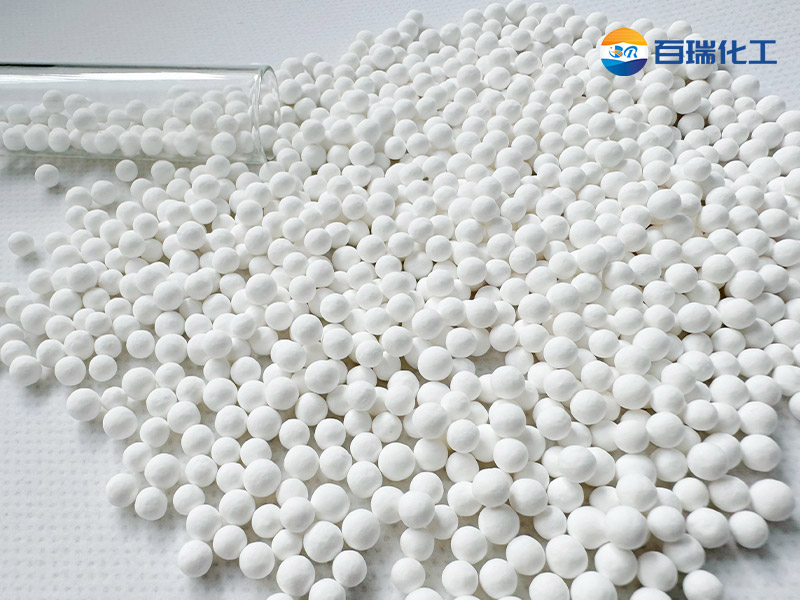
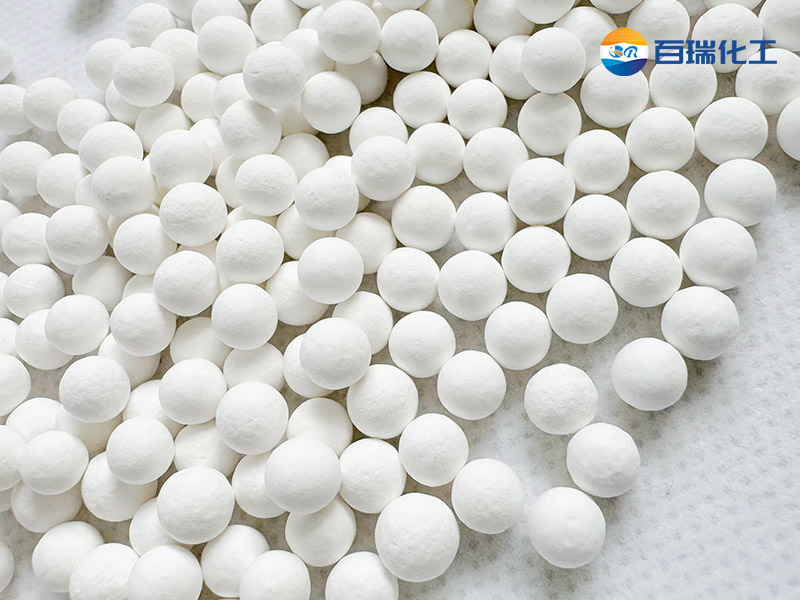
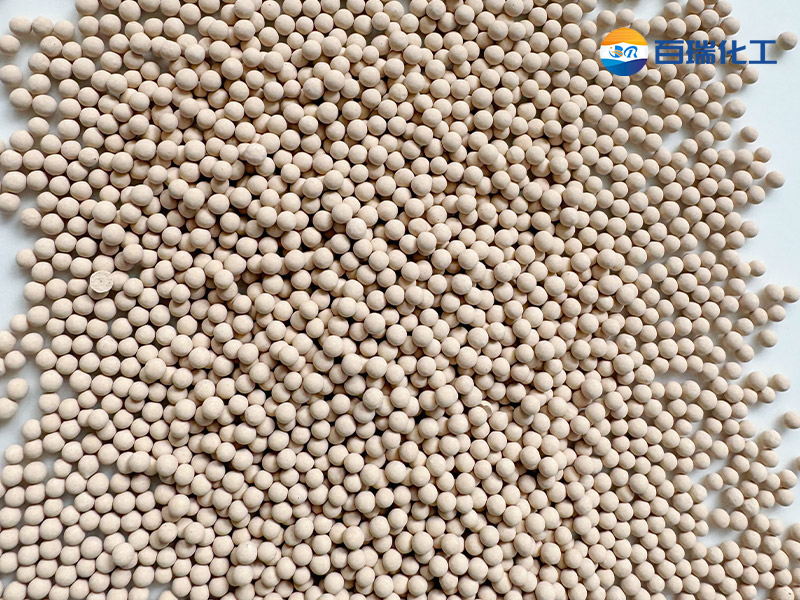
Activated alumina is a porous alumina adsorbent characterized by a high specific surface area and excellent hygroscopic properties. Internally, it possesses an abundant microporous structure that enables it to rapidly adsorb moisture from the air through physical adsorption.
Key Features:
· Strong water adsorption capacity
· High mechanical strength
· Wear-resistant and resistant to pulverization
· Excellent regeneration performance
· Long service life
In air separation units, activated alumina primarily performs the initial dehydration task during the air pretreatment stage.
Molecular Sieves
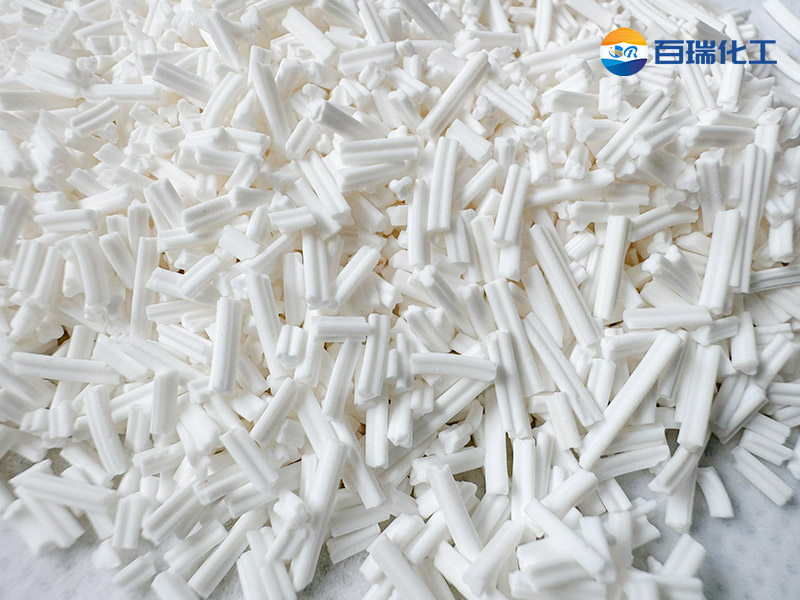
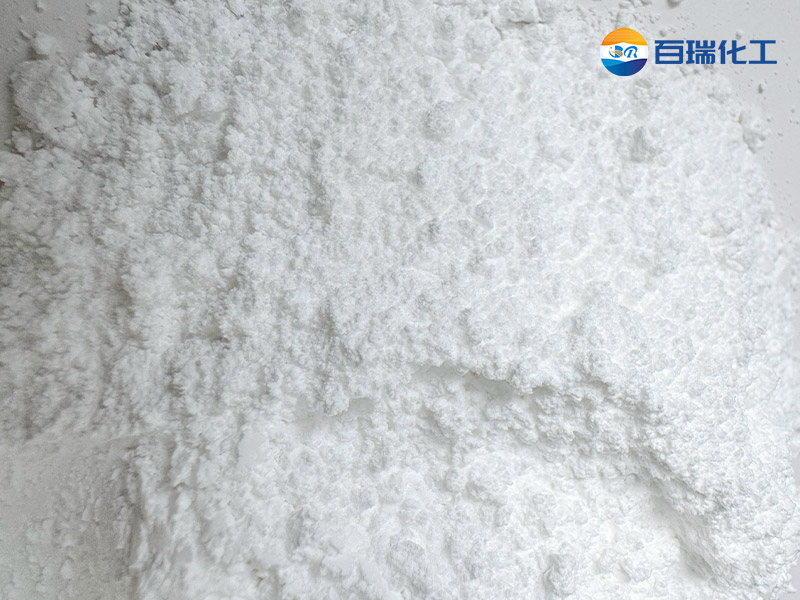
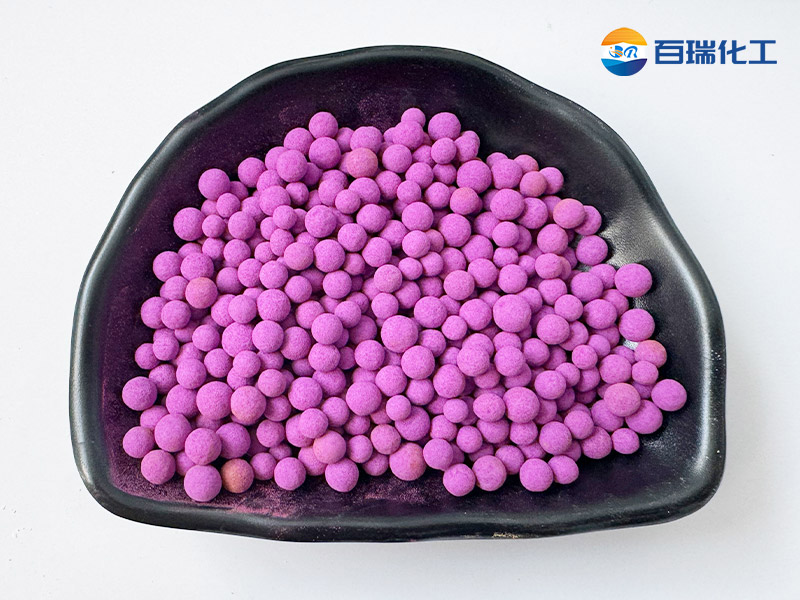
Molecular sieves are silicate-aluminate materials featuring a regular crystalline structure; they are characterized by uniform pore sizes and selective adsorption capabilities.
Key Features:
· High adsorption precision
· Capable of simultaneously adsorbing both moisture and carbon dioxide
· Stronger adsorption affinity for polar molecules
· Capable of achieving ultra-low dew point control
In air separation units, 4A and 13X molecular sieves are the most widely utilized types.
The Main Differences Between Activated Alumina and Molecular Sieves
Comparison Items | Activated Alumina | Molecular Sieve |
Key Features | Deep Dehydration | Dehydration + CO₂ Removal |
Adsorption Mechanism | Physical adsorption | Selective adsorption |
Water Adsorption Capacity | Relatively strong | Extremely strong |
Carbon Dioxide Adsorption | Essentially none | Excellent |
Mechanical Strength | high | Relatively low |
Powdering Resistance | excellent | generally |
Price and Cost | Lower | Relatively high |
Regeneration Difficulty | Lower | Relatively high |
Service Life | long | Relatively long |
Typical Applications | Pre-dewatering layer | Main Adsorption Layer |
Why do air separation units typically utilize two different adsorbents simultaneously?
Most modern air separation units employ a "dual-layer bed" or "composite bed" design.
Typical Packing Configuration:
Bottom Layer: Activated Alumina
Primary Functions:
· Removes the majority of moisture from the air
· Reduces the moisture load entering the molecular sieve layer
· Protects the molecular sieve from premature saturation by water vapor
Advantages:
· Extends the service life of the molecular sieve
· Reduces operating costs
· Enhances system stability
Upper Layer: Molecular Sieve
Primary Functions:
· Performs deep removal of residual moisture
· Removes CO₂
· Removes certain hydrocarbon impurities
This prevents moisture and carbon dioxide from freezing upon entering the cold box, thereby avoiding heat exchanger blockage and equipment shutdowns.
Why Can't Molecular Sieves Be Used Exclusively?
Theoretically, molecular sieves are capable of adsorbing both moisture and carbon dioxide; however, in practical operation, this approach is not economically viable.
The reasons include:
1. High Operating Costs
The cost of molecular sieves is typically far higher than that of activated alumina.
If molecular sieves were used exclusively:
• Investment costs would increase.
• The cost of packing the adsorption beds would rise.
2. Excessive Water Load
The moisture content in air is significantly higher than its carbon dioxide content.
If molecular sieves were required to handle the entire dehydration task directly:
• Saturation would occur more rapidly.
• Regeneration frequency would increase.
• Energy consumption would rise.
3. Reduced Service Life
Prolonged exposure to the impact of high-humidity air leads to:
• A decline in the molecular sieves' adsorption capacity.
• Increased mechanical wear.
• Shortened replacement cycles.
Consequently, the use of activated alumina as a protective pre-layer has become a standard configuration within the air separation industry.
Zibo Xiangrun Air Separation Equipment: Activated Alumina Solutions
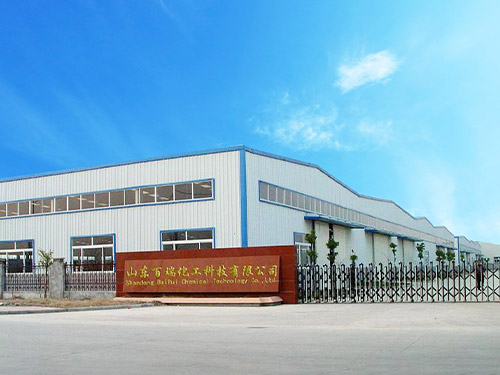
As a specialized manufacturer of activated alumina, Zibo Xiangrun Environmental Engineering Co., Ltd. has long supplied high-performance activated alumina adsorbents and molecular sieve products to air separation plants, oxygen generation equipment, nitrogen generation equipment, and industrial gas enterprises. Our products feature a high specific surface area, high adsorption capacity, high compressive strength, and a low attrition rate; they effectively reduce the water load within air separation systems and extend the overall service life of the adsorption beds. If you have any questions regarding or requirements for activated alumina and molecular sieves, we invite you to contact Zibo Xiangrun Environmental Engineering Co., Ltd.—your professional partner for alumina manufacturing.